Top 15 Two-toned Kitchen Cabinet Color Combinations That Work
Introduction
Transform your kitchen into a stunning focal point with two-toned kitchen cabinet color combinations that add depth, dimension, and visual interest to your space. This design trend has taken the interior design world by storm, offering homeowners a sophisticated way to break away from monotonous single-color schemes. Whether you’re planning a complete kitchen renovation or a simple cabinet refresh, two tone kitchen cabinets provide endless possibilities to express your personal style while creating a balanced and harmonious cooking environment.
Modern Two-toned Kitchen Cabinet Combinations
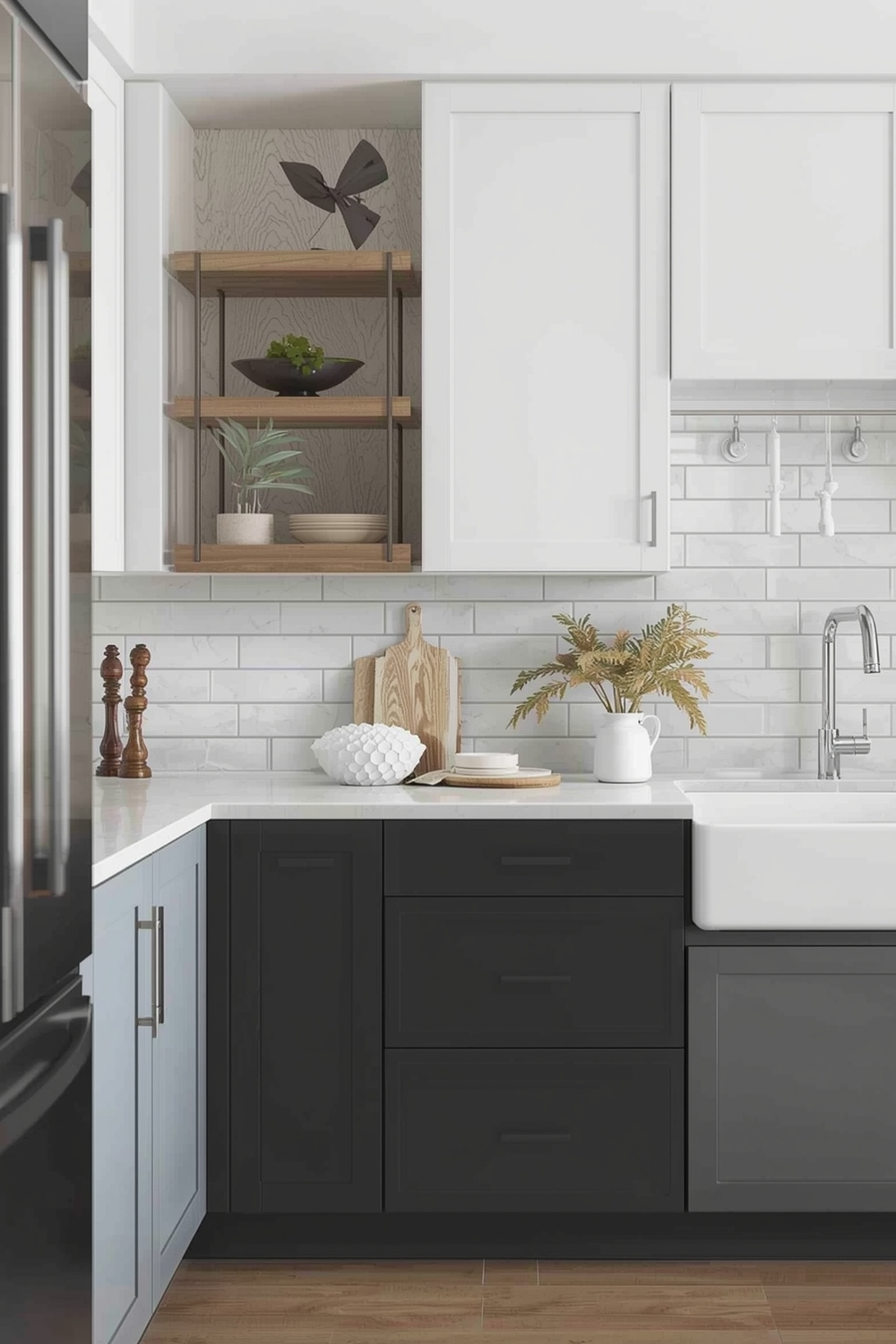
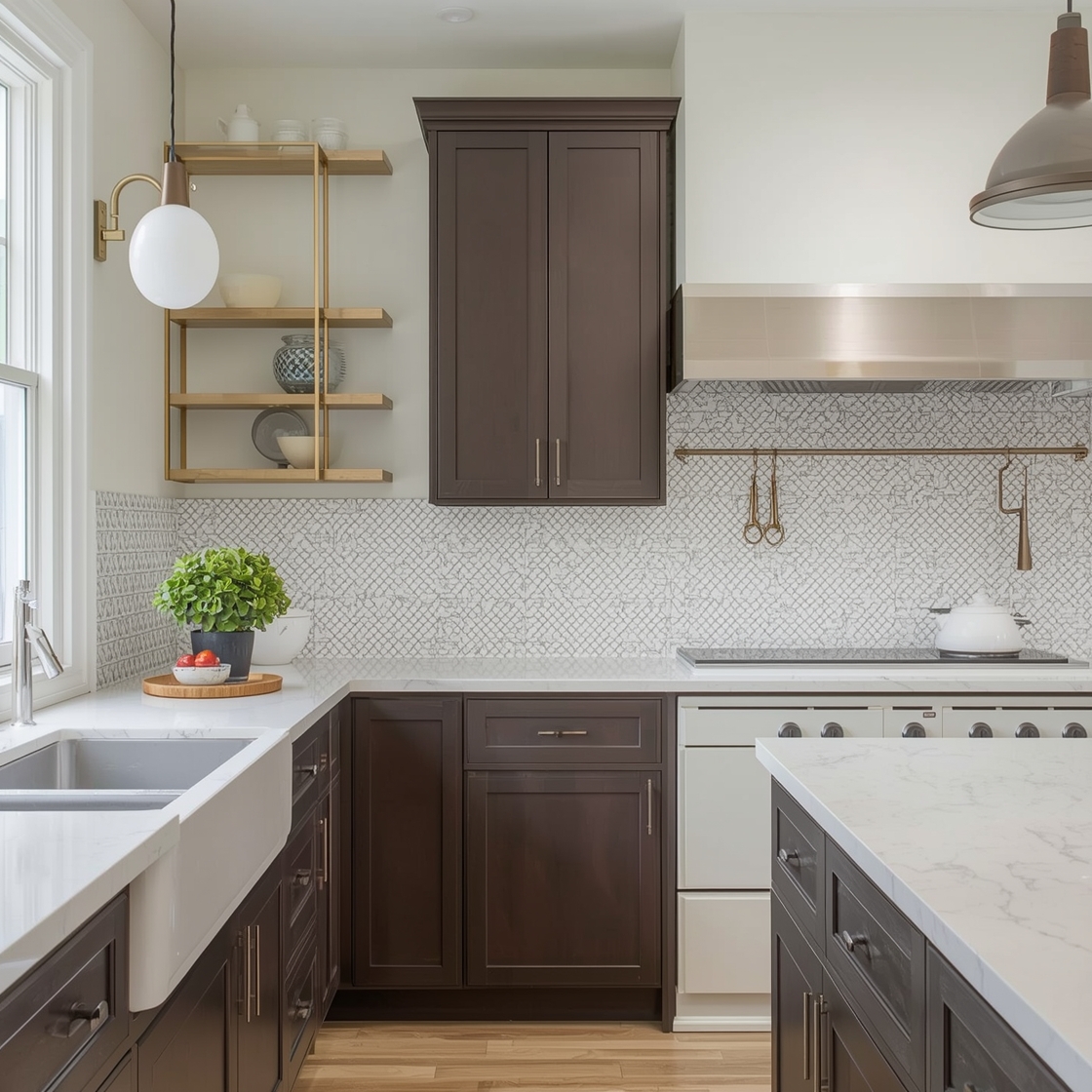
Modern two-toned kitchen cabinet color schemes embrace clean lines and bold contrasts that define contemporary aesthetics. Popular combinations include pairing crisp white upper cabinets with charcoal gray or navy blue lower cabinets, creating a grounded yet airy feel.
Another trending option combines warm wood tones with matte black cabinets, delivering an organic yet sophisticated look. The key to achieving a modern appearance lies in selecting colors with similar undertones and maintaining consistent hardware finishes throughout. Consider incorporating handleless cabinets or sleek linear pulls to emphasize the minimalist approach that characterizes modern design.
Two-toned Cabinets with Light and Dark Colors
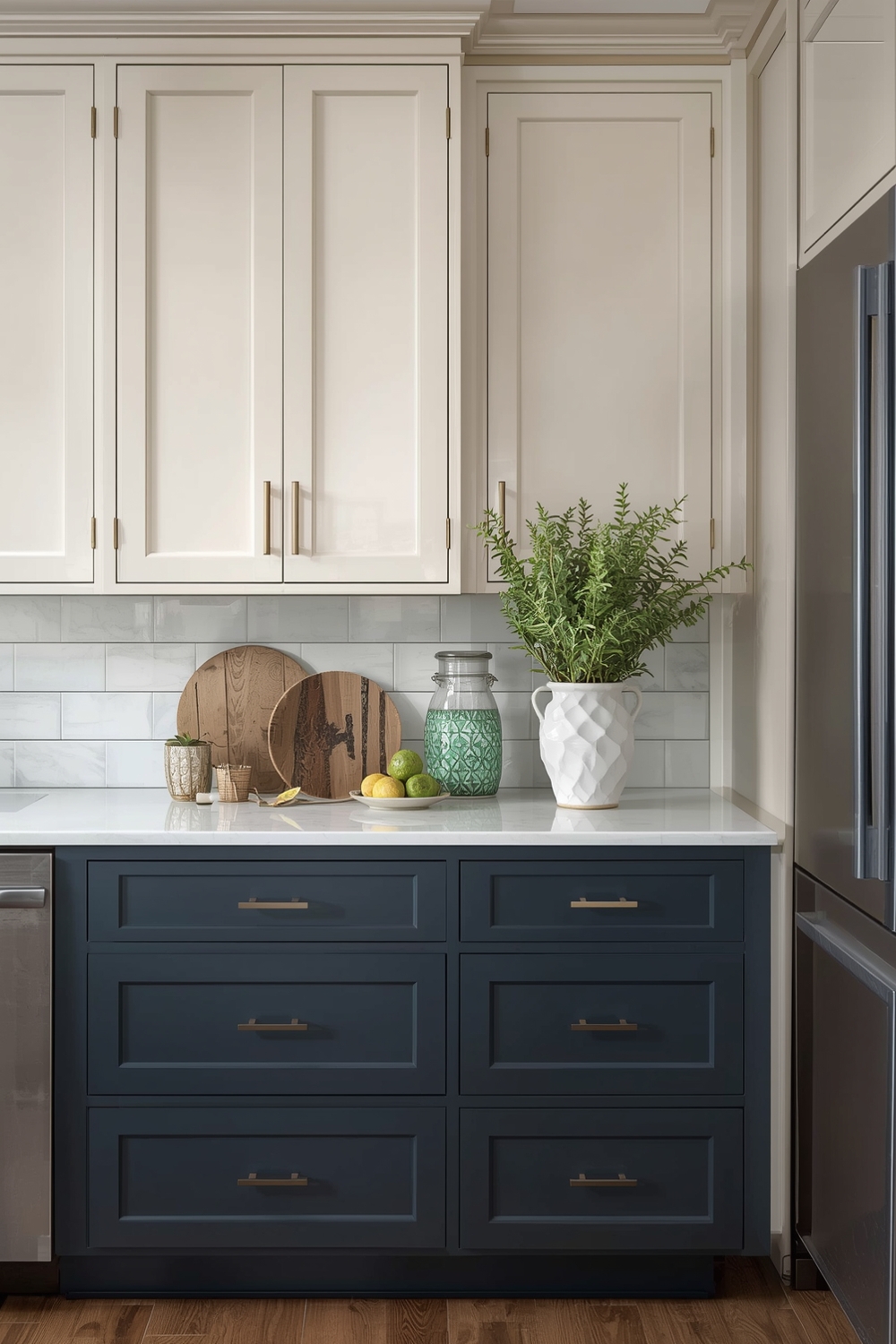
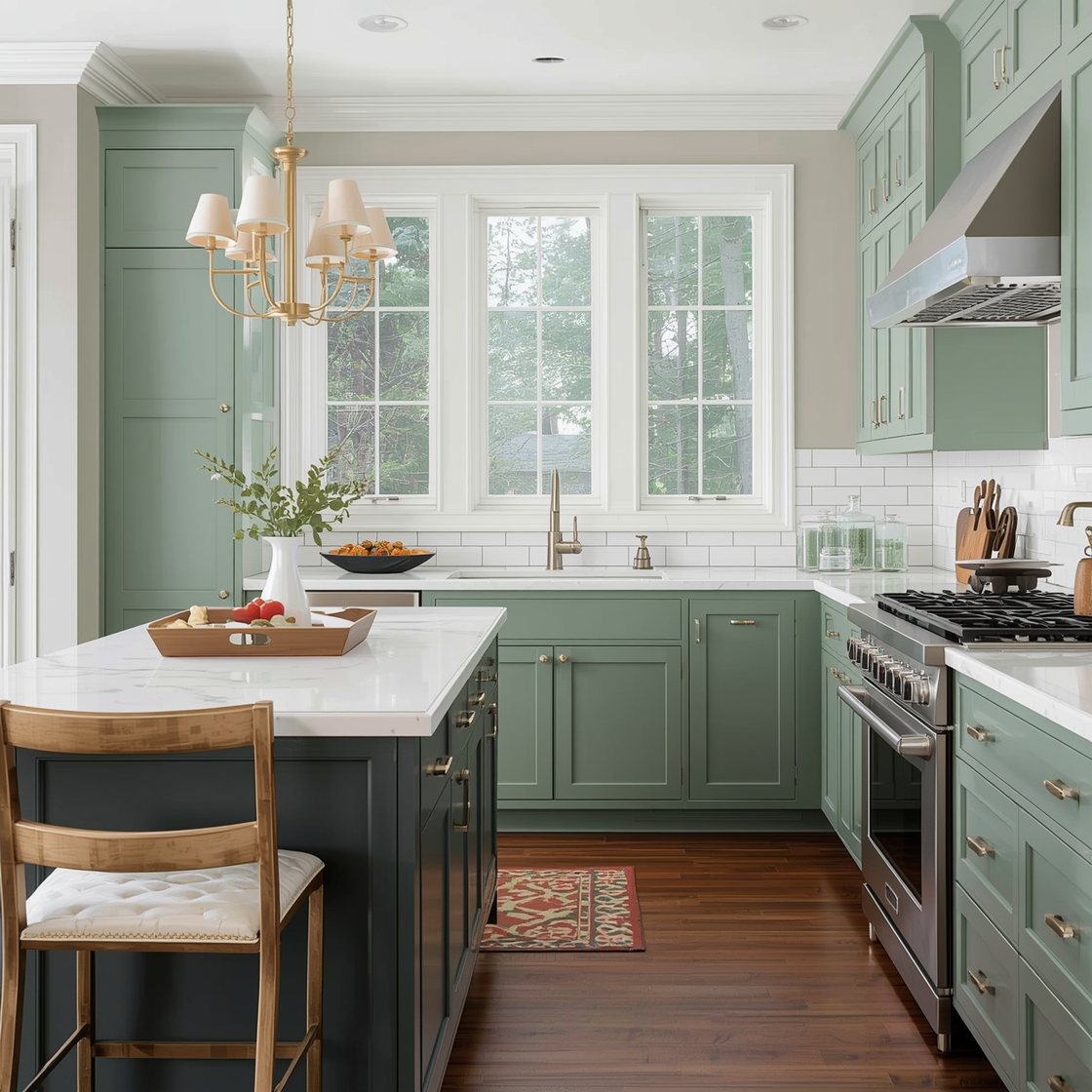
The classic interplay between light and dark creates dramatic visual impact in any kitchen. Pairing white or cream upper cabinets with deep navy, forest green, or charcoal lower cabinets grounds the space while maintaining an open, spacious feeling.
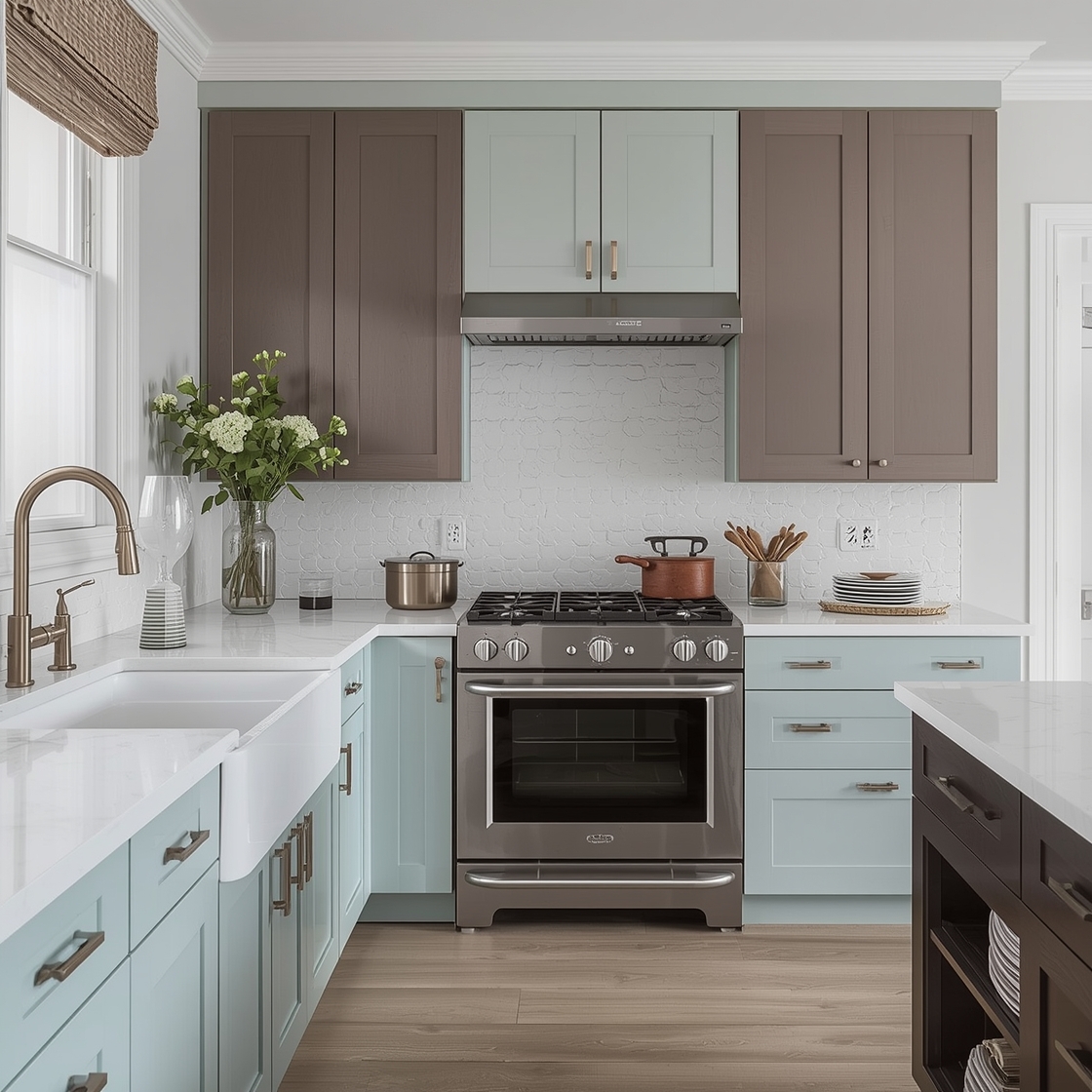
This two-toned kitchen cabinet color strategy works exceptionally well in kitchens with limited natural light, as the lighter upper cabinets reflect light throughout the room. The darker base cabinets cleverly conceal everyday wear and tear while adding richness and depth. For a softer contrast, try pairing soft gray with pale sage green or dusty blue with warm beige.
Two-toned Cabinets with Contrasting Handles
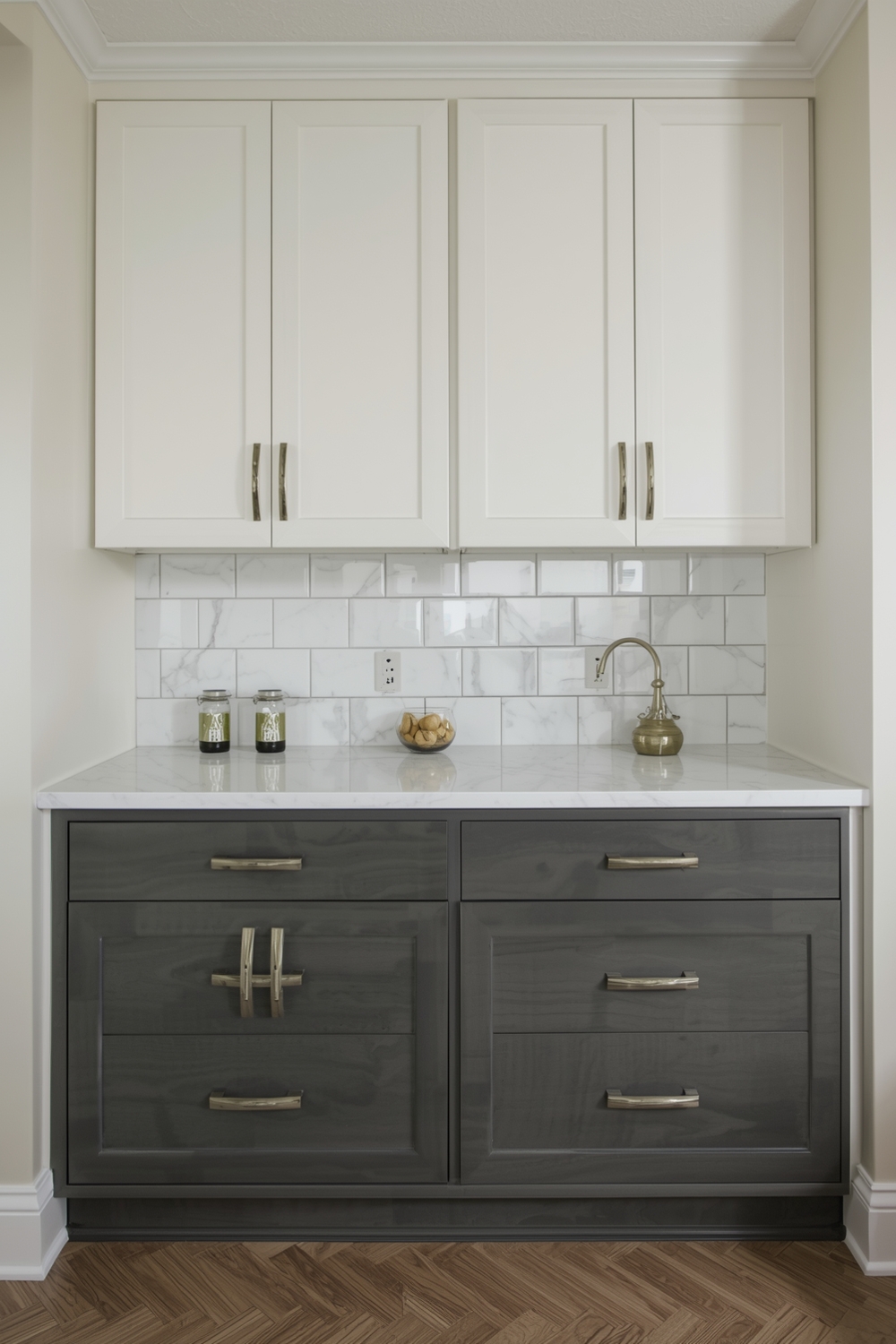
Hardware selection plays a crucial role in enhancing your two-tone cabinet design. Brass or gold handles pop beautifully against navy or forest green cabinets, while matte black hardware creates striking contrast on white or light gray surfaces.
Consider using different handle styles for upper and lower cabinets to further emphasize the two-tone effect. Long bar pulls on lower cabinets paired with simple knobs on uppers add functional variety while maintaining visual cohesion throughout your kitchen design.
Two-toned Kitchen Cabinets with Island
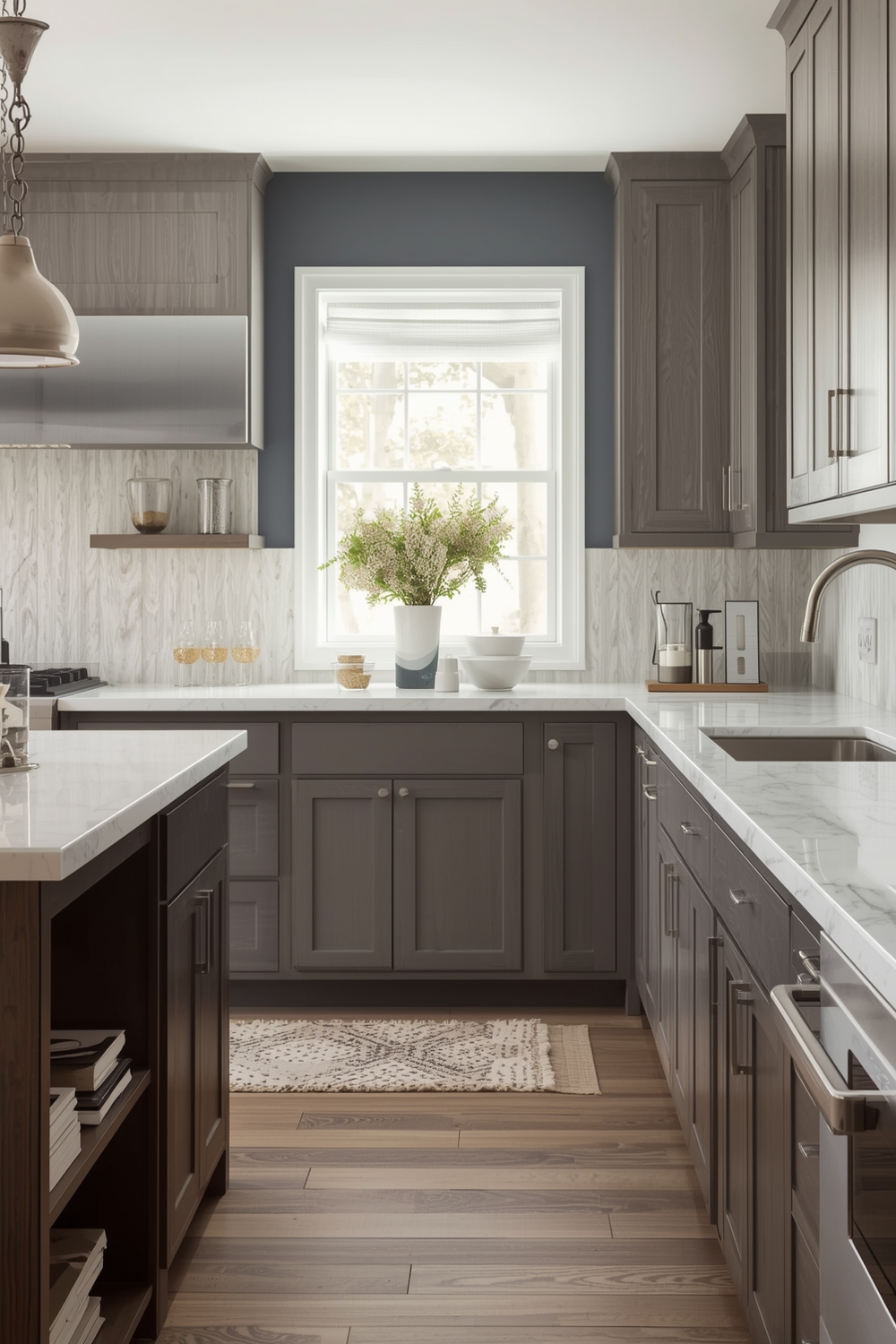
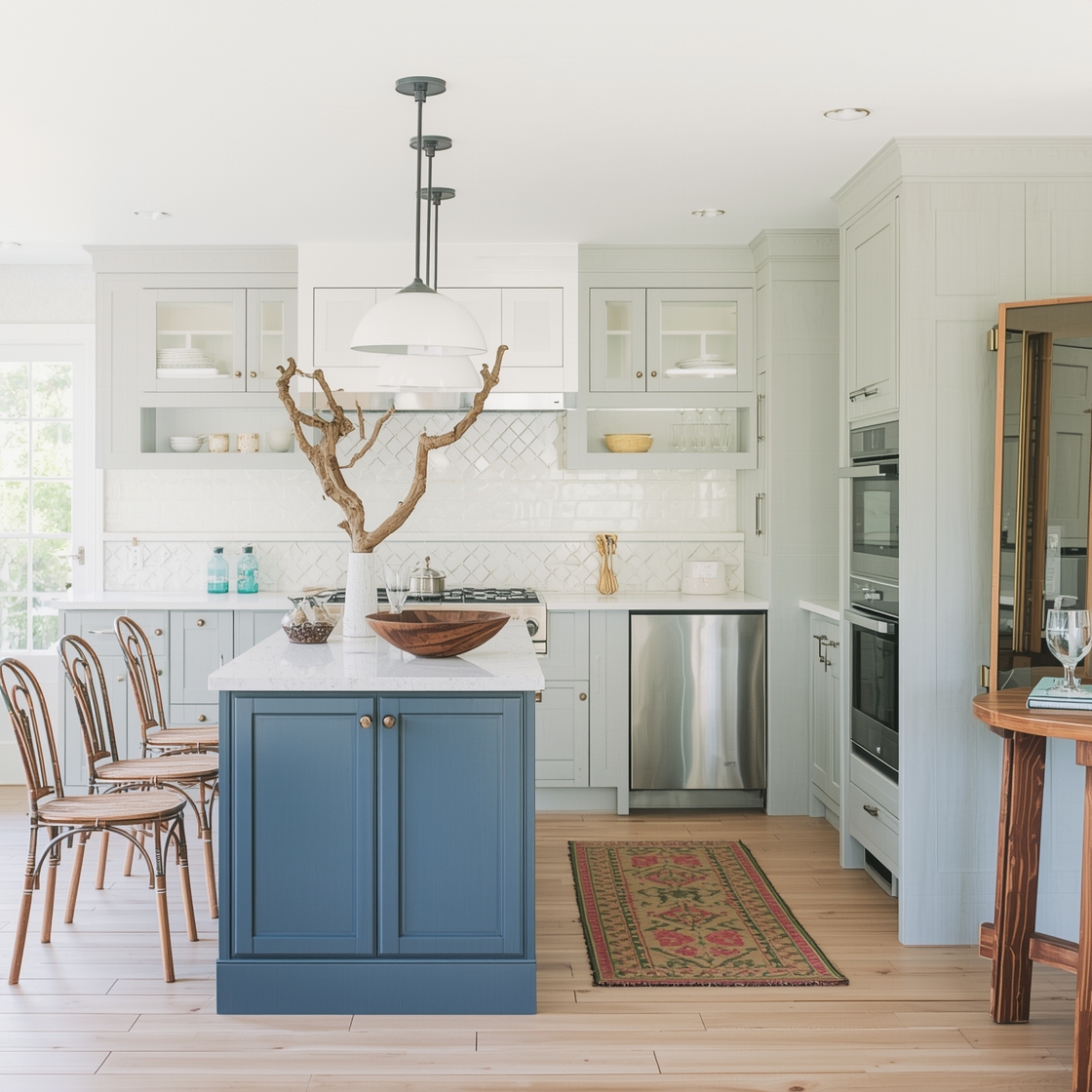
A contrasting kitchen island serves as the perfect centerpiece for your two tone kitchen cabinets design. Paint your perimeter cabinets in a neutral shade like white or soft gray, then make a bold statement with a navy, emerald green, or even black island.
This approach draws the eye to the island as a functional focal point while keeping the overall space balanced. Alternatively, a natural wood-toned island against painted perimeter cabinets introduces warmth and organic texture that softens the kitchen’s overall aesthetic.
Two-toned Cabinets with Countertops
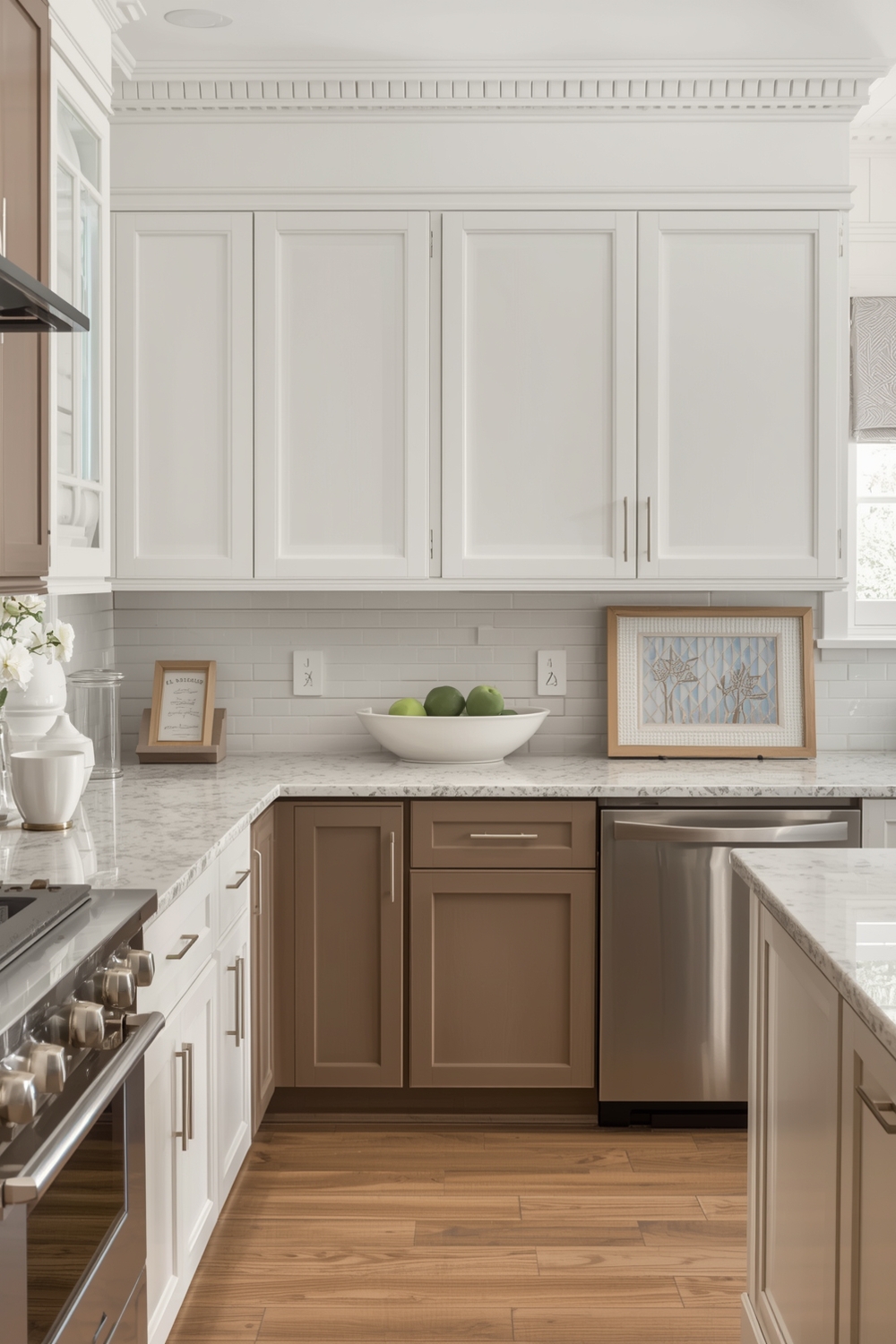
Your countertop selection significantly impacts how your two-toned cabinets appear. White marble or quartz countertops create elegant contrast against dark lower cabinets while complementing lighter uppers. Butcher block countertops introduce warmth that bridges the gap between contrasting cabinet colors.
For a cohesive look, choose countertops that contain color elements from both cabinet shades. Veined marble with gray and white patterns works beautifully with gray and white cabinets, while speckled granite can tie together seemingly disparate color combinations, creating a unified and intentional design statement.
Two-toned Kitchen Layouts
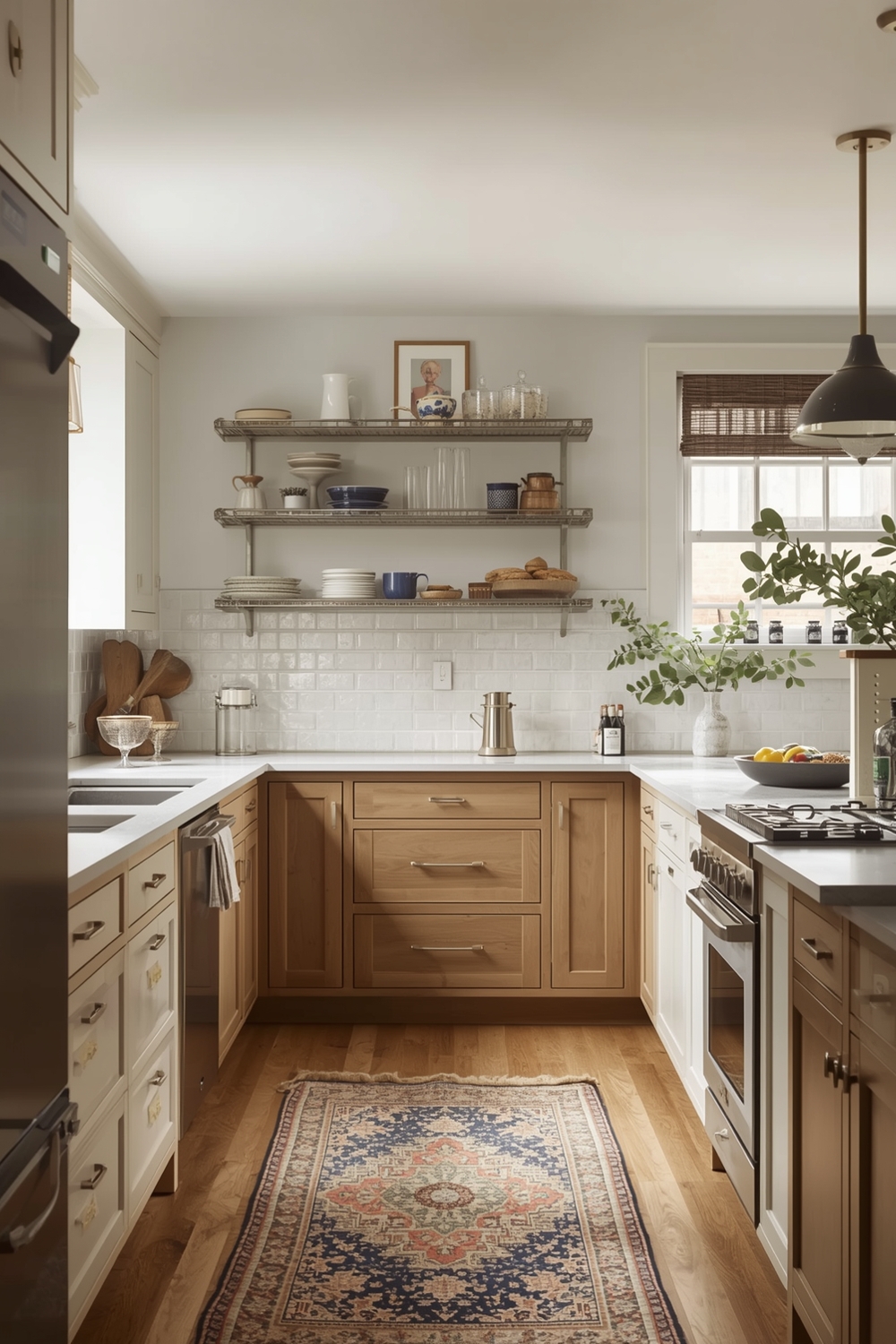
Different kitchen layouts benefit from strategic two-tone placement. In galley kitchens, consider alternating colors on opposite walls to create visual rhythm. L-shaped kitchens work beautifully with one leg featuring darker cabinets and the other showcasing lighter tones.
For U-shaped kitchens, paint the back wall cabinets in a contrasting shade while keeping side cabinets uniform. Open-concept kitchens particularly benefit from two-toned designs that help define the kitchen zone while maintaining visual connection with adjacent living spaces through thoughtful color coordination.
Two-toned Cabinets for Small Kitchens
Small kitchens can absolutely embrace two-tone cabinet designs when executed thoughtfully. Keep upper cabinets in lighter shades like white, cream, or pale gray to maximize the perception of space and ceiling height.
Ground the design with slightly darker lower cabinets in soft sage, light navy, or warm taupe. Avoid extremely dark colors in compact spaces, as they can make the room feel cramped. The vertical color division created by two-toned cabinets actually draws the eye upward, creating an illusion of greater height and spaciousness in petite kitchens.
Two-toned Cabinets for Large Kitchens
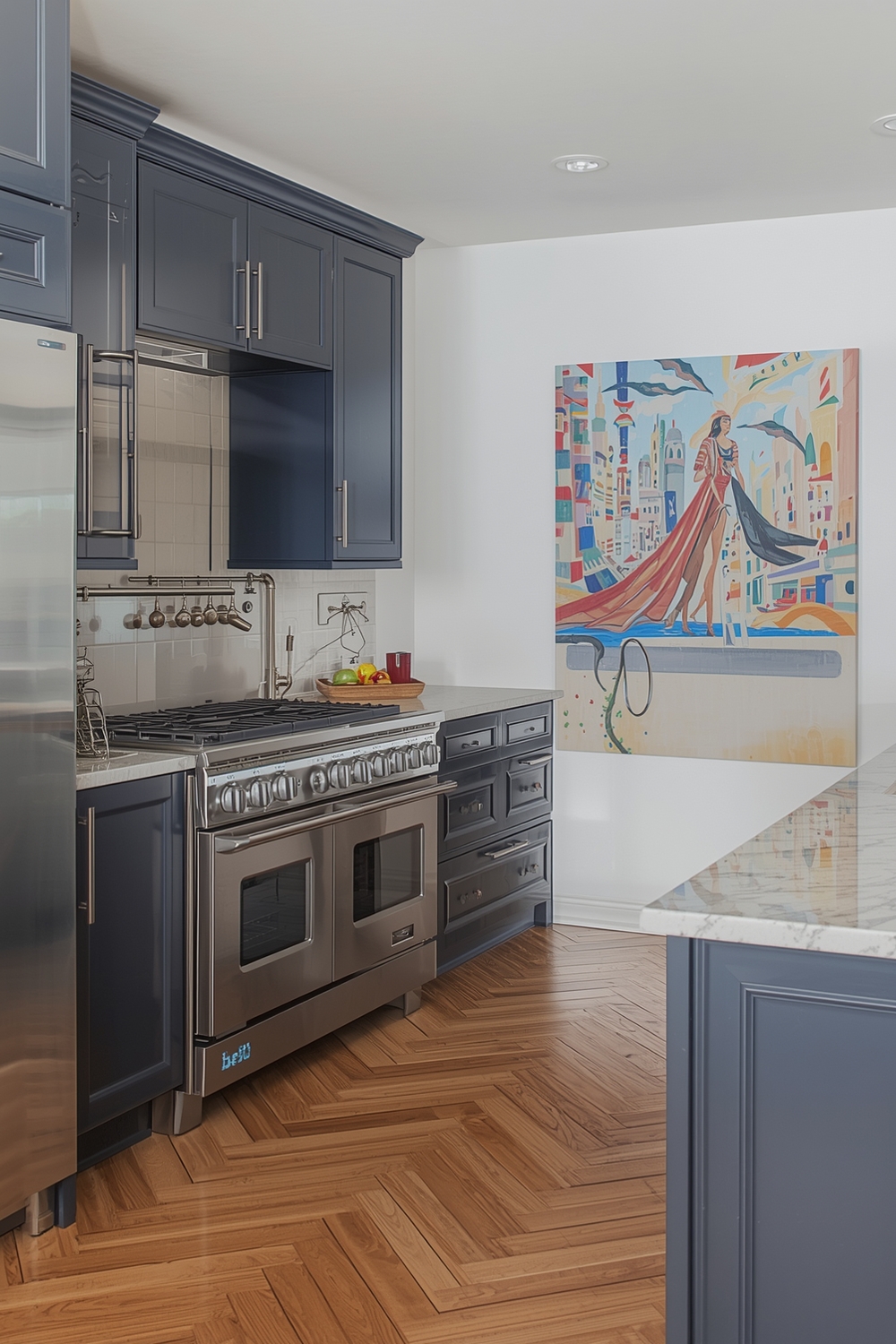
Spacious kitchens provide the perfect canvas for bold two-toned kitchen cabinet color experiments. Consider using three or more cabinet colors in different zones—perhaps navy on the island, white on perimeter uppers, and warm wood on perimeter lowers.
Large kitchens can handle dramatic contrasts like black and white or deep emerald with bright white without feeling overwhelming. Use the two-tone strategy to define different functional zones within your expansive kitchen, such as cooking, preparation, and entertaining areas, creating visual interest across the generous square footage.
Two-toned Cabinets with Open Shelving
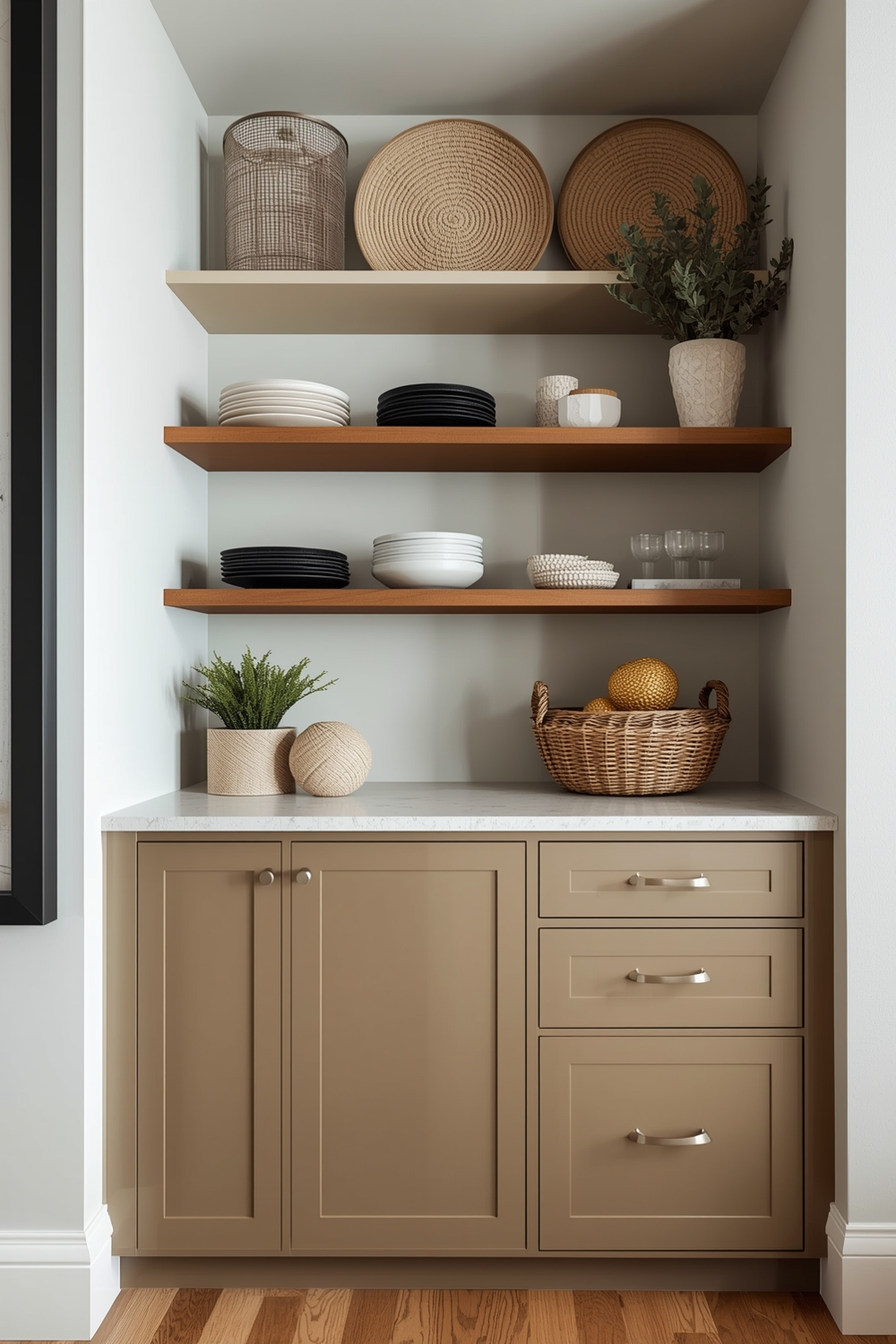
Combining two-toned cabinets with open shelving adds another dimension to your kitchen design. Replace upper cabinets on one wall with open shelves, allowing your lower cabinet color to shine while maintaining an airy feel.
The shelving provides an opportunity to display coordinating dishware that complements both cabinet colors. Natural wood shelves work particularly well with painted cabinets, introducing organic warmth. This arrangement prevents the two-tone design from feeling too heavy while adding functional storage and decorative display space that personalizes your kitchen.
Functional Two-toned Kitchen Cabinets

Beyond aesthetics, two-toned cabinet designs offer practical advantages. Darker lower cabinets hide spills, fingerprints, and wear better than lighter options, especially in high-traffic family kitchens.
Use different colors to distinguish functional zones—darker cabinets for cooking and cleaning areas, lighter ones for display or serving zones. Glass-front upper cabinets in a contrasting color showcase your favorite dishes while encouraging organization. This strategic color placement enhances both the beauty and functionality of your kitchen workspace.
Two-toned Cabinets with Lighting Ideas
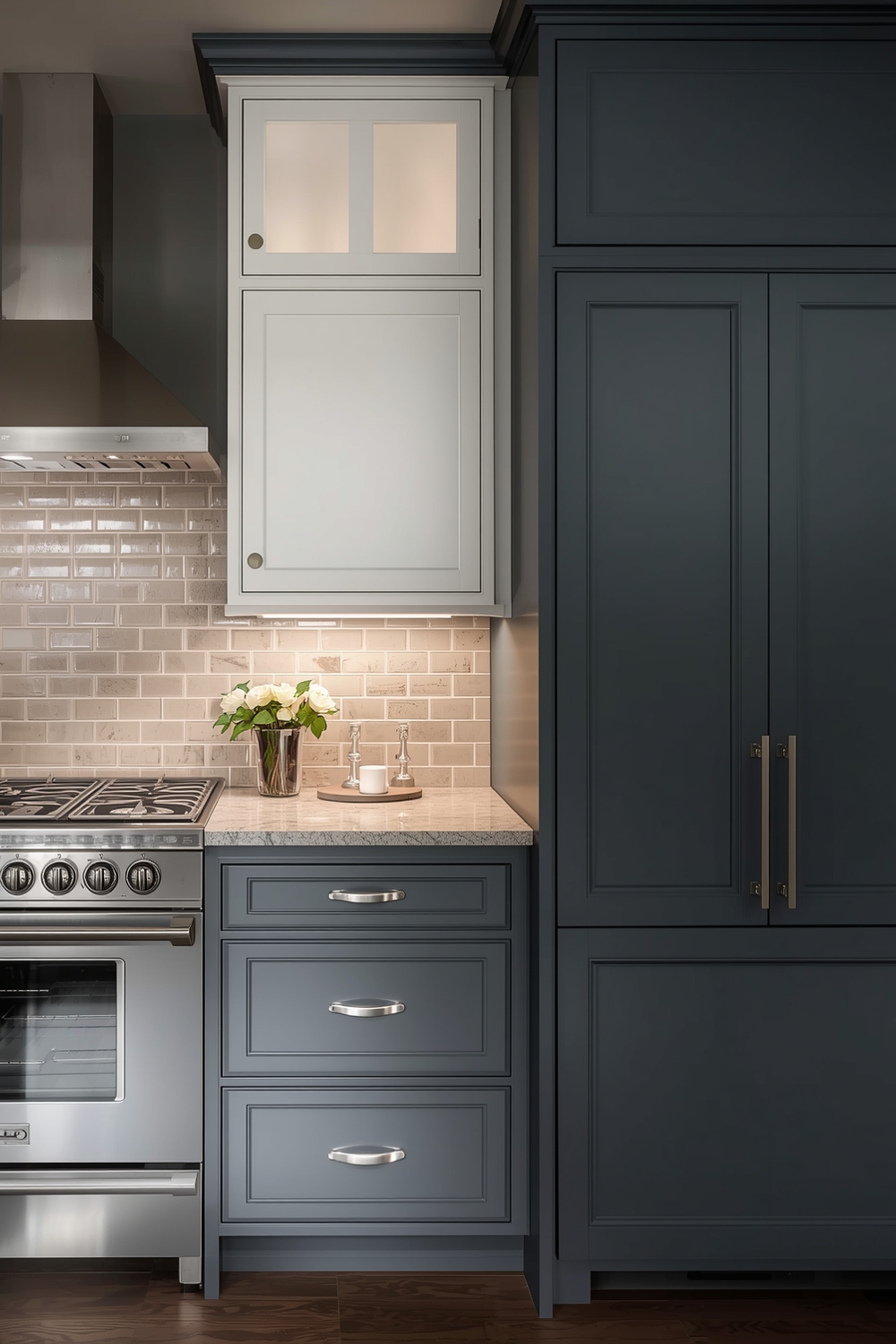
Proper lighting elevates your two-tone cabinet design dramatically. Install under-cabinet LED strips to highlight the color transition between upper and lower cabinets, creating beautiful ambient glow. Pendant lights above an island draw attention to contrasting island cabinetry.
Interior cabinet lighting in glass-front uppers showcases your displayed items while emphasizing the cabinet color contrast. Consider warm-toned bulbs for kitchens with wood elements and cooler lighting for modern gray and white schemes. Dimmer switches allow you to adjust lighting intensity, changing how your cabinet colors appear throughout the day.
Minimalist Two-toned Kitchen Cabinets
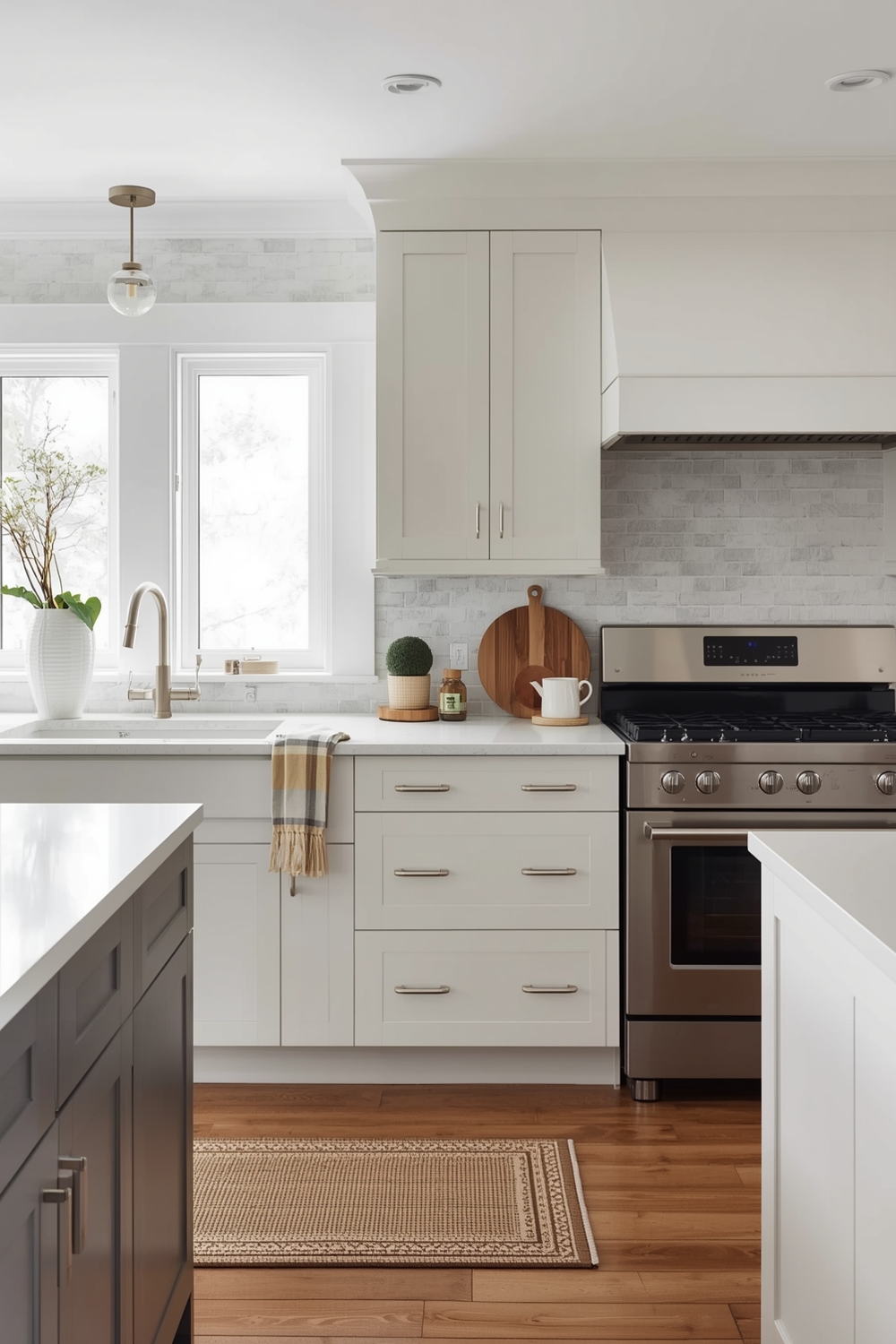
Minimalist kitchens benefit from subtle two-tone approaches that maintain clean simplicity. Opt for variations within the same color family—light gray uppers with charcoal lowers, or cream with soft taupe.
Keep hardware minimal with integrated pulls or push-to-open mechanisms that eliminate visual clutter. The two-tone effect should enhance the minimalist aesthetic rather than compete with it. Matte finishes work better than glossy ones in minimalist spaces, providing sophisticated subtlety. Pair your cabinets with simple countertops and restrained backsplashes to maintain the uncluttered, serene atmosphere characteristic of minimalist design philosophy.
Contemporary Two-toned Kitchen Designs
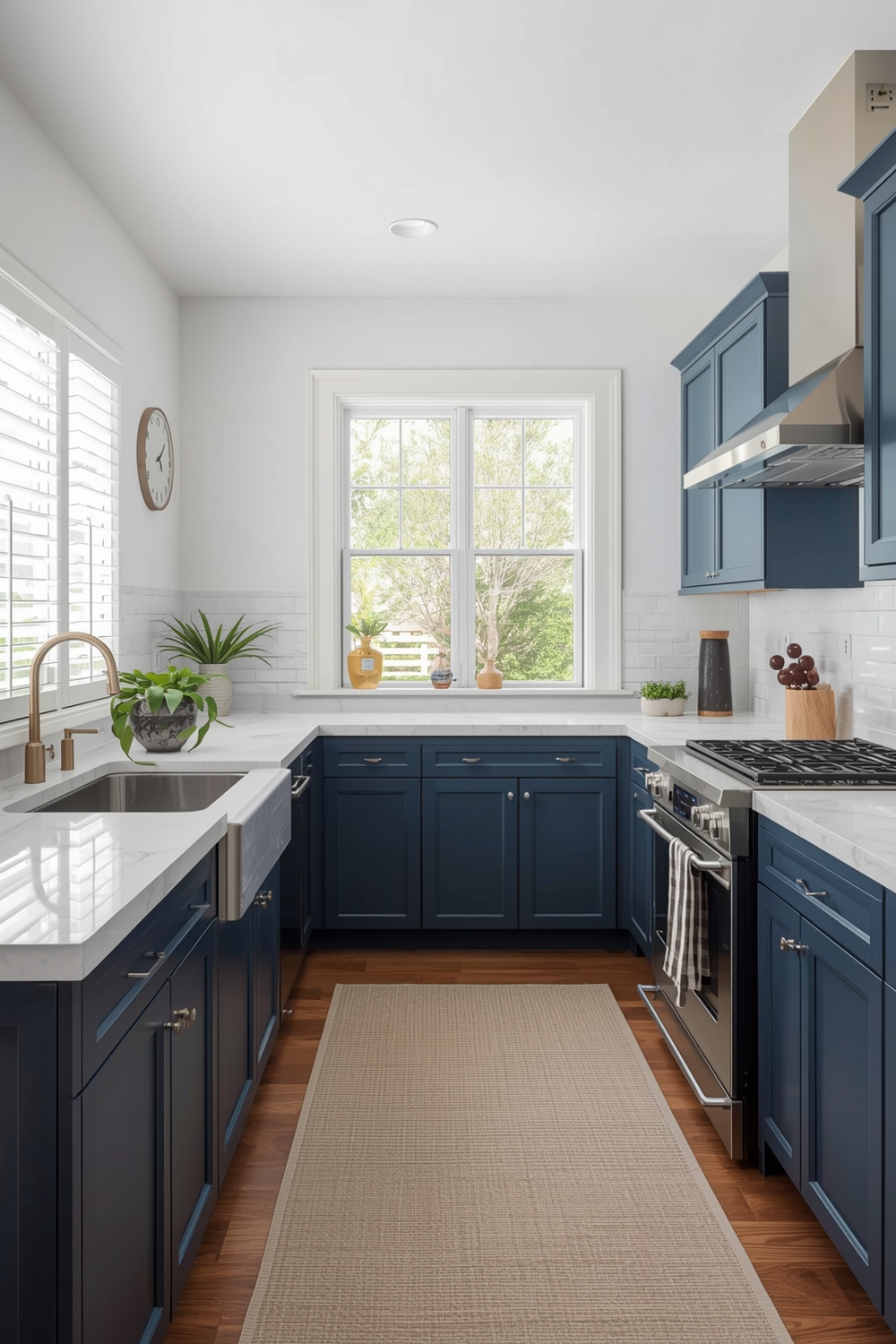
Contemporary kitchens embrace current trends while maintaining timeless appeal. Right now, unexpected color combinations like terracotta with sage green or dusty pink with charcoal are gaining popularity in contemporary spaces.
Mixed materials—such as wood grain cabinets paired with smooth painted ones—add textural interest alongside color variation. Contemporary designs often feature horizontal rather than vertical color divisions, with different cabinet sections receiving different colors based on function rather than position. This fresh approach to two-toning creates unique, personalized kitchens that reflect current design sensibilities.
Two-toned Cabinets with Stylish Storage
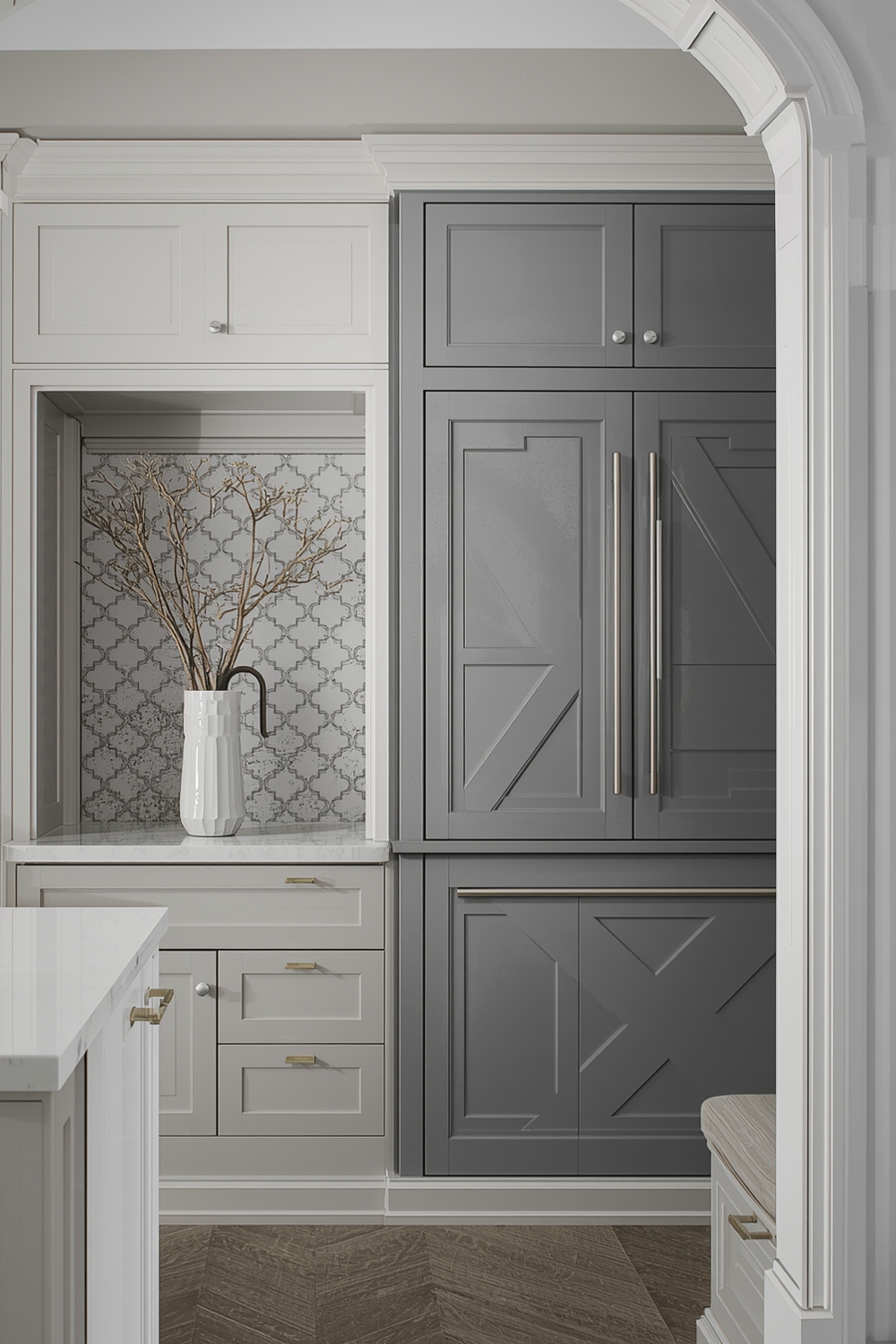
Smart storage solutions enhance the functionality of your two-tone kitchen. Use your contrasting island cabinets to house specialized storage like a wine rack, appliance garage, or pull-out pantry that stands out as both functional and decorative.
Install deeper drawers in darker base cabinets for pot and pan storage, while lighter uppers accommodate glassware and dishes. The color differentiation helps family members instinctively know where items belong, creating an organizational system that’s both beautiful and intuitive for daily kitchen operations.
Two-toned Kitchen Cabinets with Decor Accents
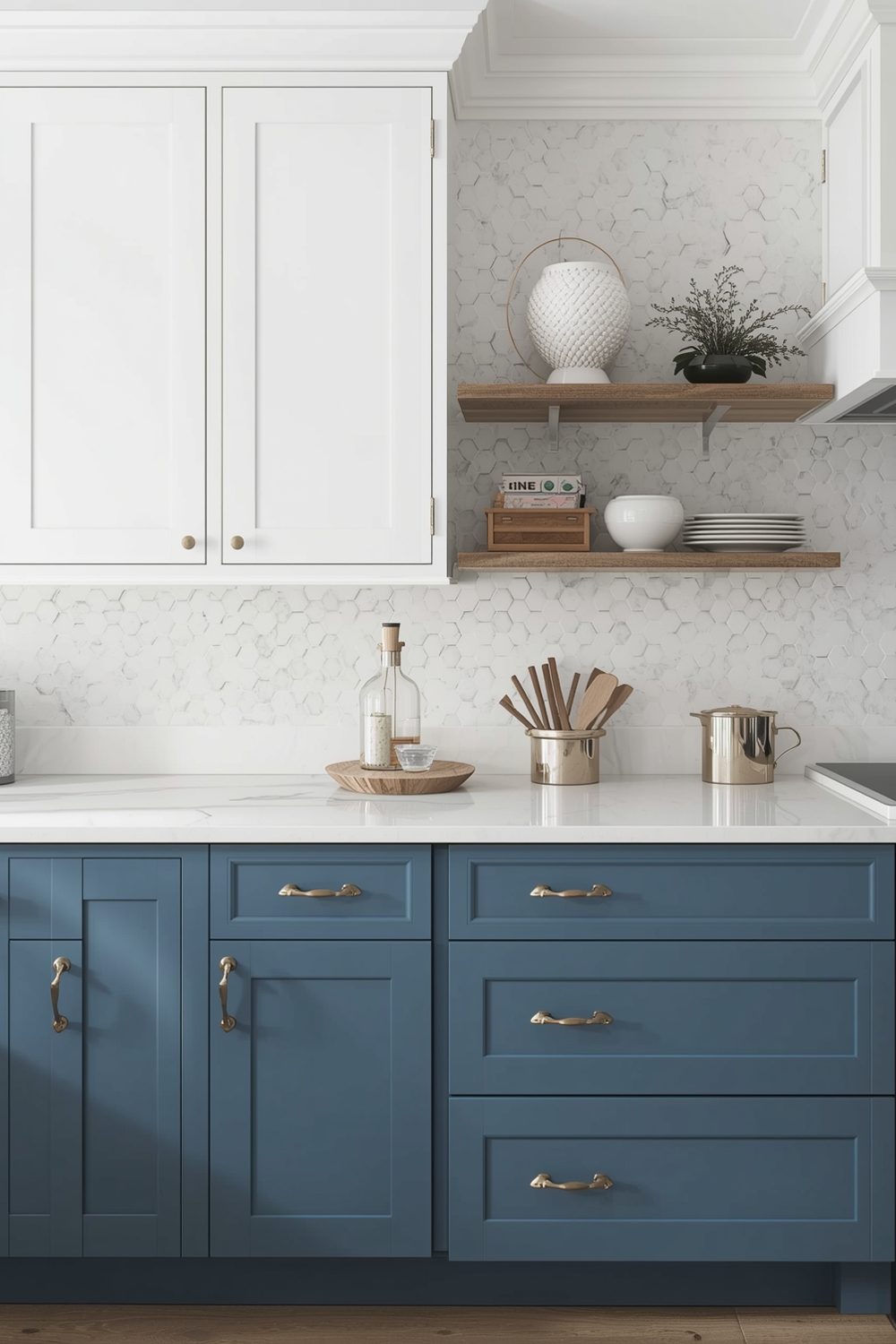
Coordinate your decor accents with your cabinet colors to create a cohesive design story. If you’ve chosen navy and white cabinets, incorporate navy bar stools, white subway tile backsplash, and accessories in complementary brass or copper tones.
Bring in textiles like kitchen towels, rugs, or window treatments that feature both cabinet colors in their patterns. Fresh flowers or plants add natural elements that soften the structured cabinet colors. Artwork featuring your cabinet color palette ties the entire design together. These thoughtful accents transform your two-toned kitchen cabinet color scheme from a simple paint choice into a fully realized design vision.
How This Idea Improves Your Space
Two-toned kitchen cabinets transform ordinary cooking spaces into designer-worthy rooms that feel custom and intentional. This approach adds architectural interest to kitchens lacking distinctive features, creating focal points and visual flow.
The color contrast helps define functional zones, making your kitchen feel more organized and purposeful. Additionally, two-tone designs allow you to incorporate trending colors while maintaining classic neutrals, ensuring your kitchen remains stylish for years without feeling dated or requiring complete renovation.
Budget-Friendly Tips
Achieve the two-tone look affordably by painting existing cabinets yourself rather than replacing them entirely. Focus your contrasting color on highly visible areas like the island or lower cabinets, keeping less prominent cabinets in their original finish. Shop for paint during sale periods and choose quality paint that requires fewer coats, ultimately saving time and money while delivering professional-looking results.
Conclusion
Embracing two-toned kitchen cabinet designs offers endless possibilities to personalize your space while adding depth, dimension, and sophisticated style. Whether you prefer bold contrasts or subtle variations, this versatile design approach adapts to any kitchen size, layout, or aesthetic preference. Start planning your two-tone transformation today and discover how this simple yet impactful design choice can completely revolutionize your kitchen’s appearance and functionality.
FAQs
What are the most popular two-tone kitchen cabinet color combinations?
The most popular combinations include white and navy, white and gray, white and natural wood, cream and sage green, and black and white. These pairings offer timeless appeal with versatility across design styles.
Should upper or lower cabinets be darker in a two-tone kitchen?
Typically, darker colors work best on lower cabinets as they ground the space, hide wear, and make the kitchen feel less top-heavy. Lighter upper cabinets create an airy, open feeling and reflect more light.
Do two-tone cabinets work in small kitchens?
Yes, two-tone cabinets work beautifully in small kitchens when using lighter colors on uppers and slightly darker (not too dark) shades on lowers. This creates visual interest without overwhelming the limited space.
How do I choose coordinating hardware for two-tone cabinets?
Select one hardware finish that complements both cabinet colors, or use different styles in the same finish for uppers and lowers. Brass works well with navy and green, while matte black suits most color combinations.
Can I create a two-tone look without painting?
Absolutely! Combine natural wood cabinets with painted ones, use different stain colors, or mix materials like wood with laminate. You can also use glass-front cabinets in one area while keeping solid doors elsewhere to create visual variation.