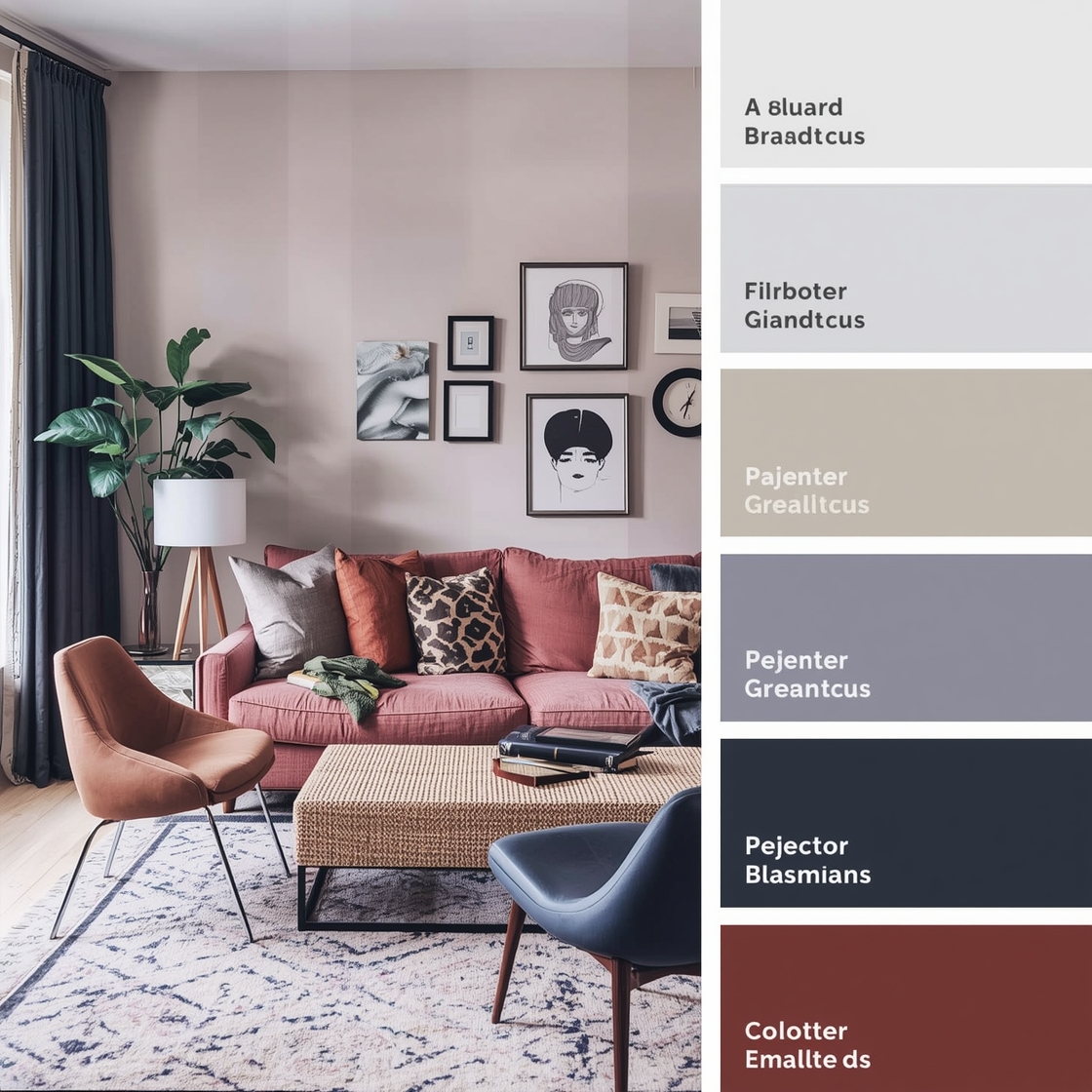
Introduction
Creating beautiful interiors starts with choosing the right Color Harmony Palettes that transform any space. Understanding how colors work together is essential for designing rooms that feel balanced, welcoming, and visually appealing. Whether you’re redecorating your bedroom, living room, or entire home, selecting the perfect color palette combinations can dramatically impact your space’s atmosphere. This comprehensive guide explores 15 proven color harmony layouts that consistently deliver stunning results, helping you make confident design choices that reflect your personal style while maintaining visual cohesion throughout your home.
Color Harmony Palettes Layouts
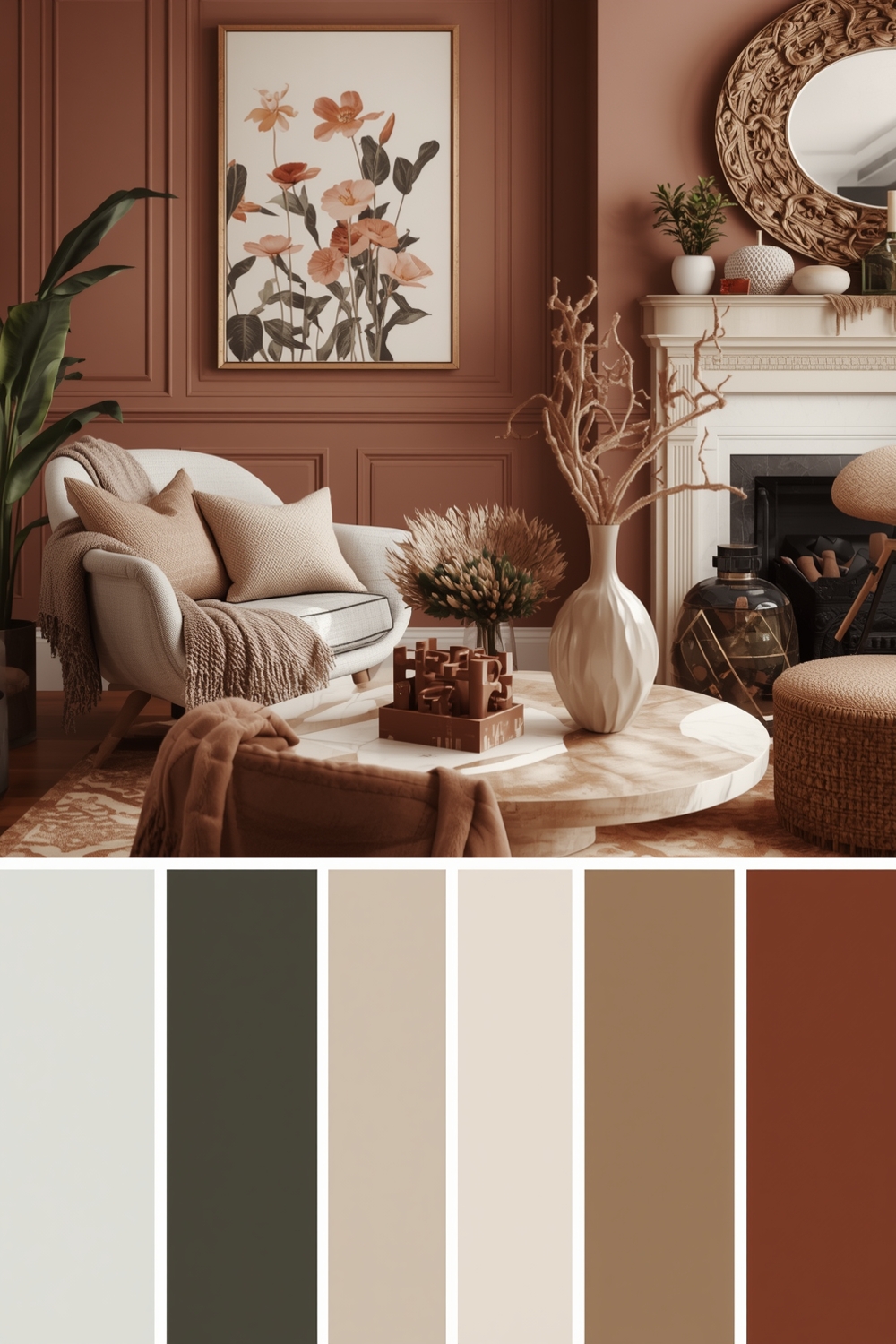
Color Harmony Palettes layouts represent the foundation of successful interior design. These carefully curated schemes combine colors that naturally complement each other, creating visual balance and aesthetic appeal.
The secret to mastering these layouts lies in understanding color theory basics while embracing practical application. Successful color palette combinations typically include a dominant color (60%), secondary color (30%), and accent color (10%). This proven ratio ensures your space feels cohesive without overwhelming the senses. Professional designers rely on these proportions to create rooms that feel intentional and thoughtfully composed.
Perfect Color Balance Ideas

Achieving perfect color balance requires thoughtful consideration of warm and cool tones. The most successful Color Harmony Palettes often incorporate both temperature families to create depth and interest.
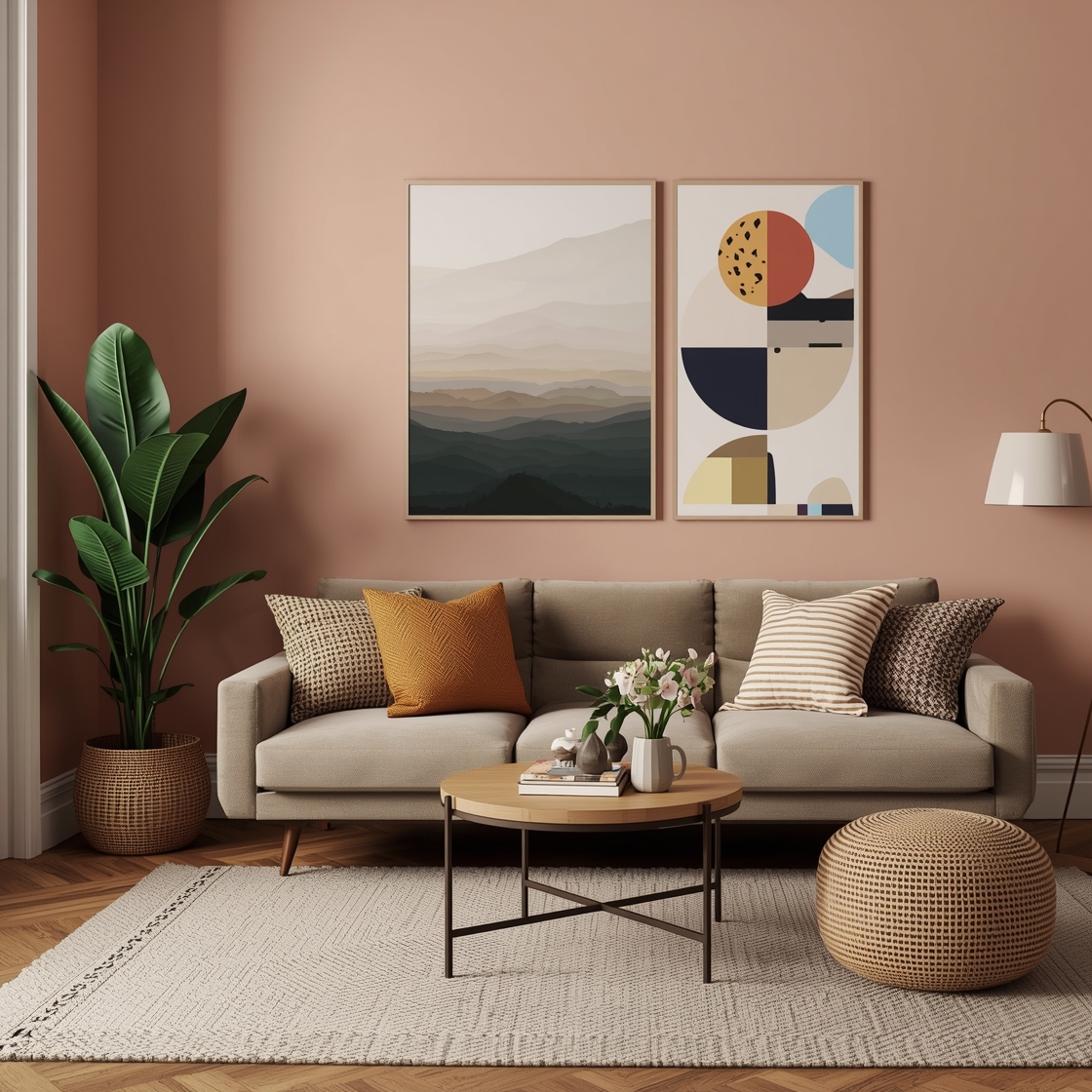
Consider pairing warm neutrals like beige or taupe with cooler blues or greens to establish equilibrium. This approach prevents spaces from feeling monotonous while maintaining sophistication. Color palette combinations that balance temperature create inviting environments that feel neither too cold nor overly warm. The key is establishing a primary temperature dominance while introducing contrasting accents strategically throughout the room.
Room Color Harmony Designs
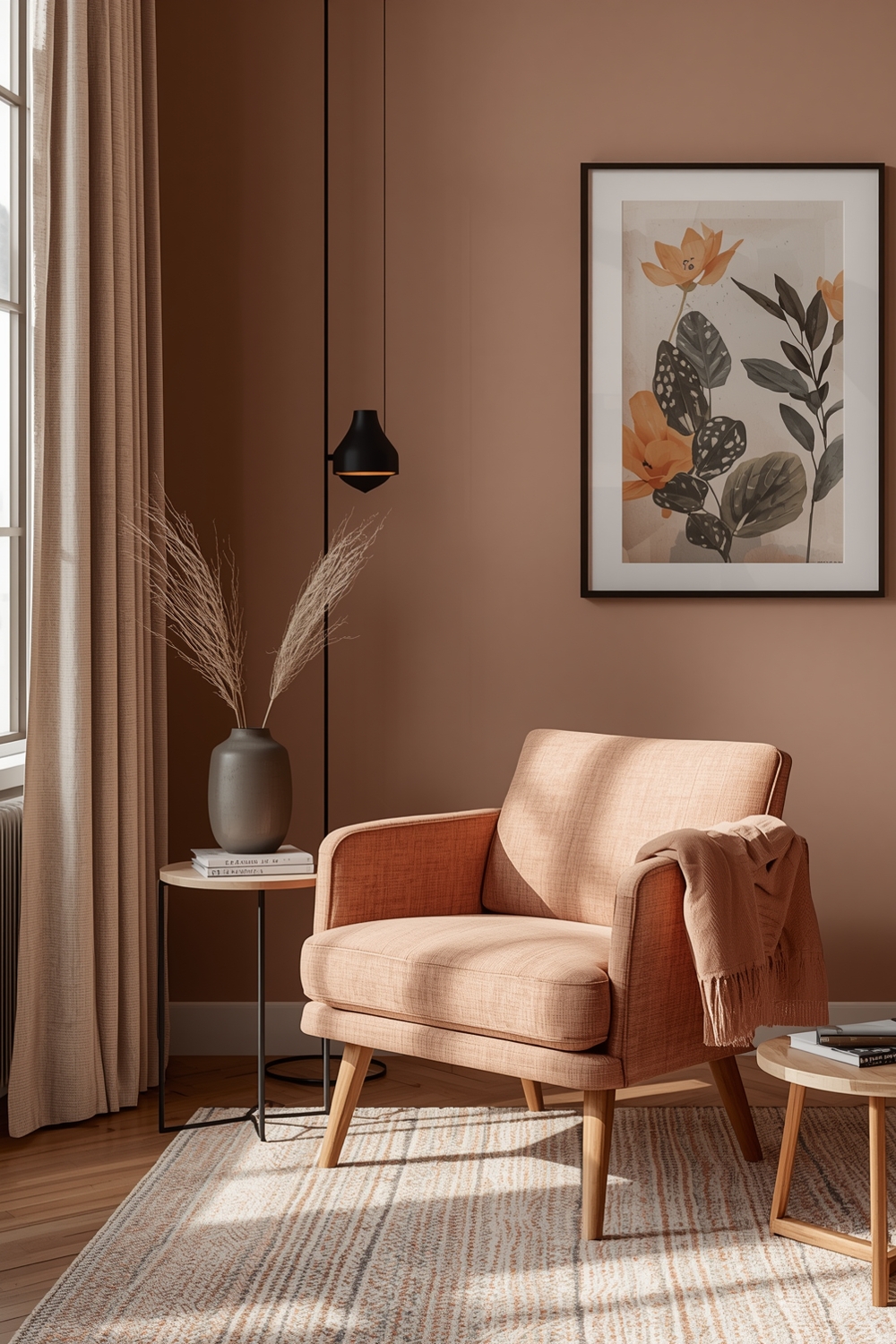
Room-specific Color Harmony Palettes should reflect the space’s purpose and desired mood. Living areas benefit from inviting, social color schemes, while bedrooms require calming, restful combinations.
Kitchen spaces thrive with energizing yet clean color palette combinations, often featuring whites paired with vibrant accent colors. Consider your room’s natural lighting, size, and function when selecting harmonious color schemes that enhance rather than conflict with the space’s character.
Modern Color Harmony Layouts
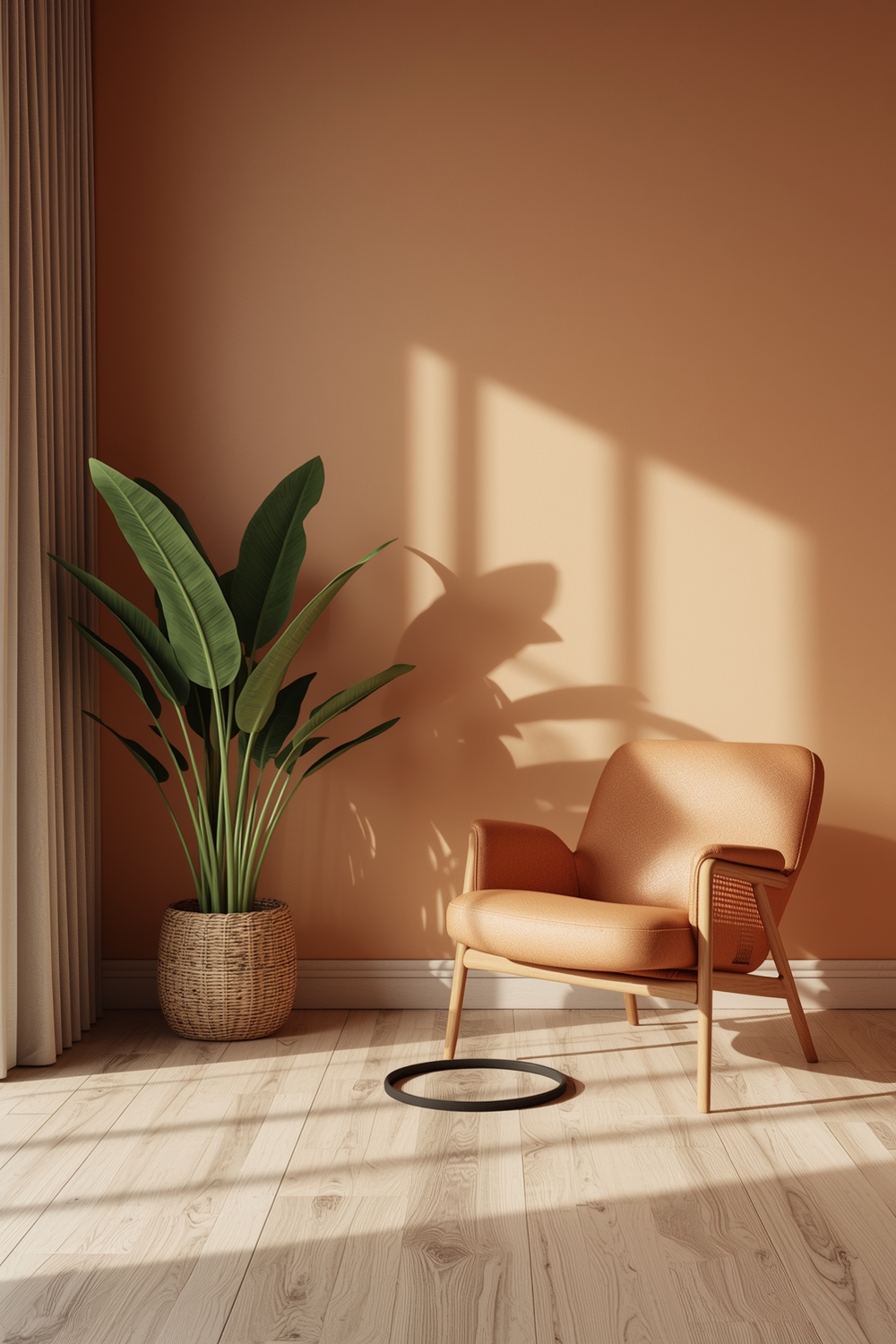
Modern design embraces bold contrasts and unexpected pairings within Color Harmony Palettes. Contemporary spaces often feature dramatic combinations like charcoal gray with mustard yellow or navy blue with blush pink.
These striking color palette combinations create visual interest while maintaining sophistication. Modern layouts typically include clean neutrals as anchors, allowing bolder accent colors to shine without overwhelming the space. This approach creates dynamic interiors that feel current and carefully curated.
Stylish Color Combinations
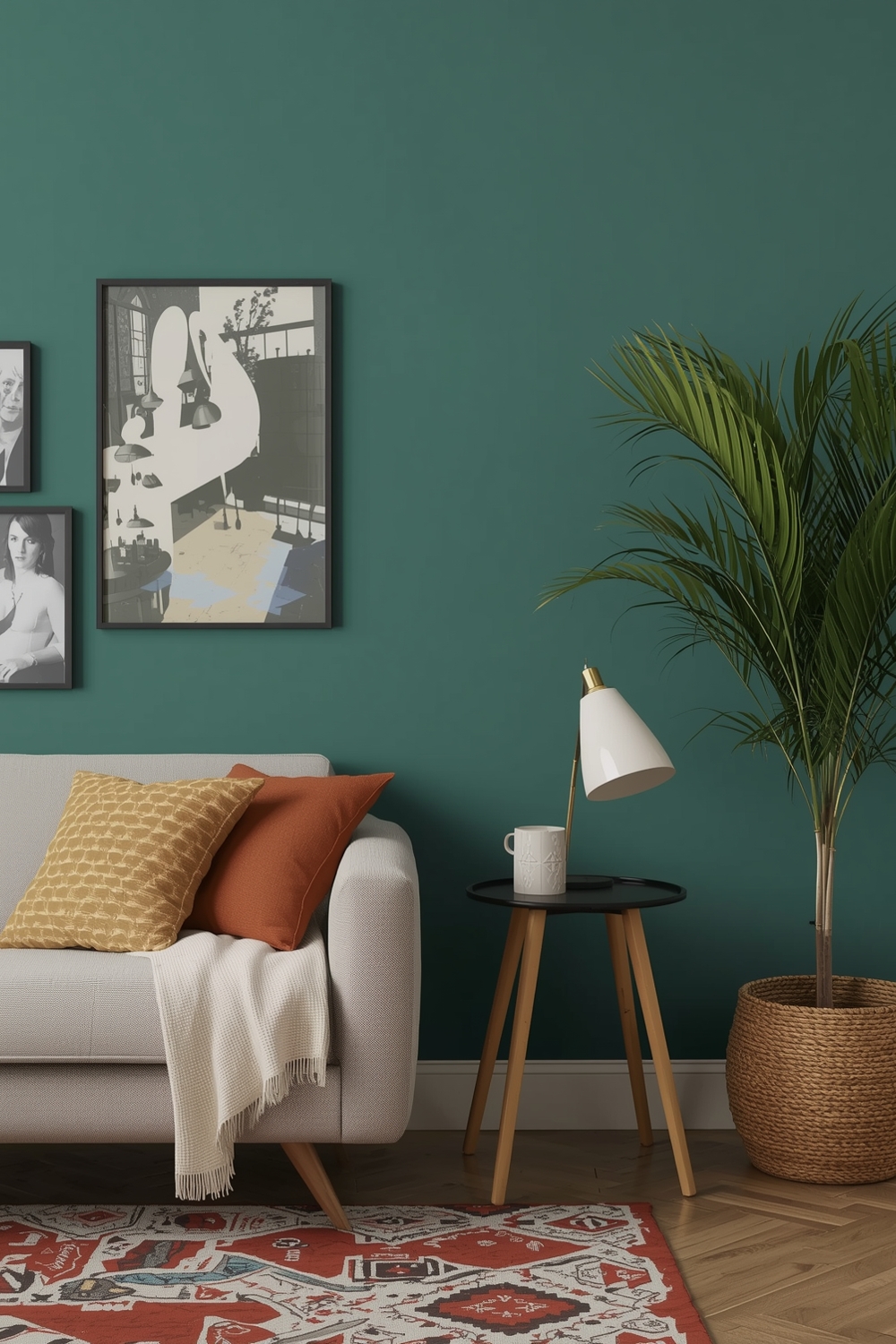
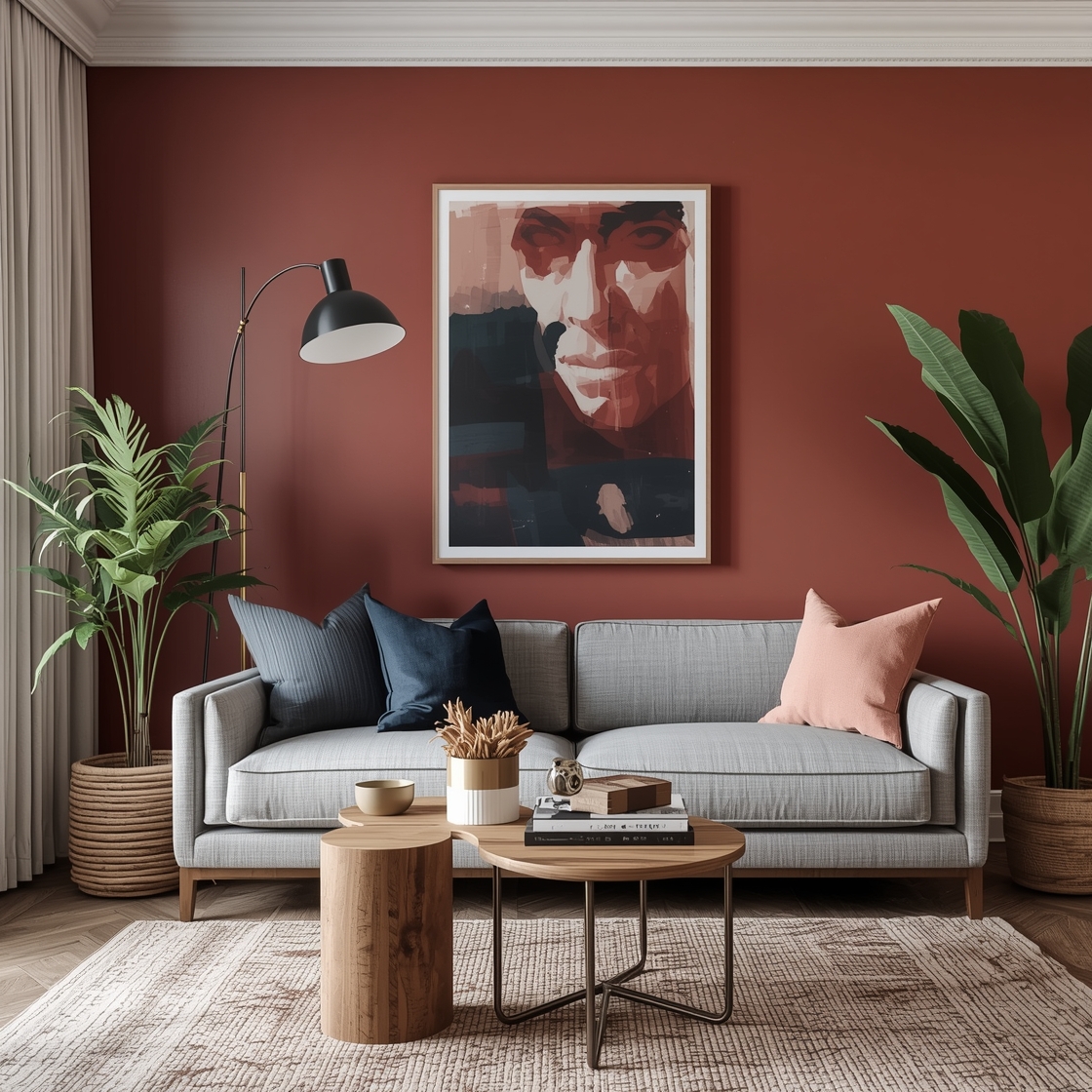
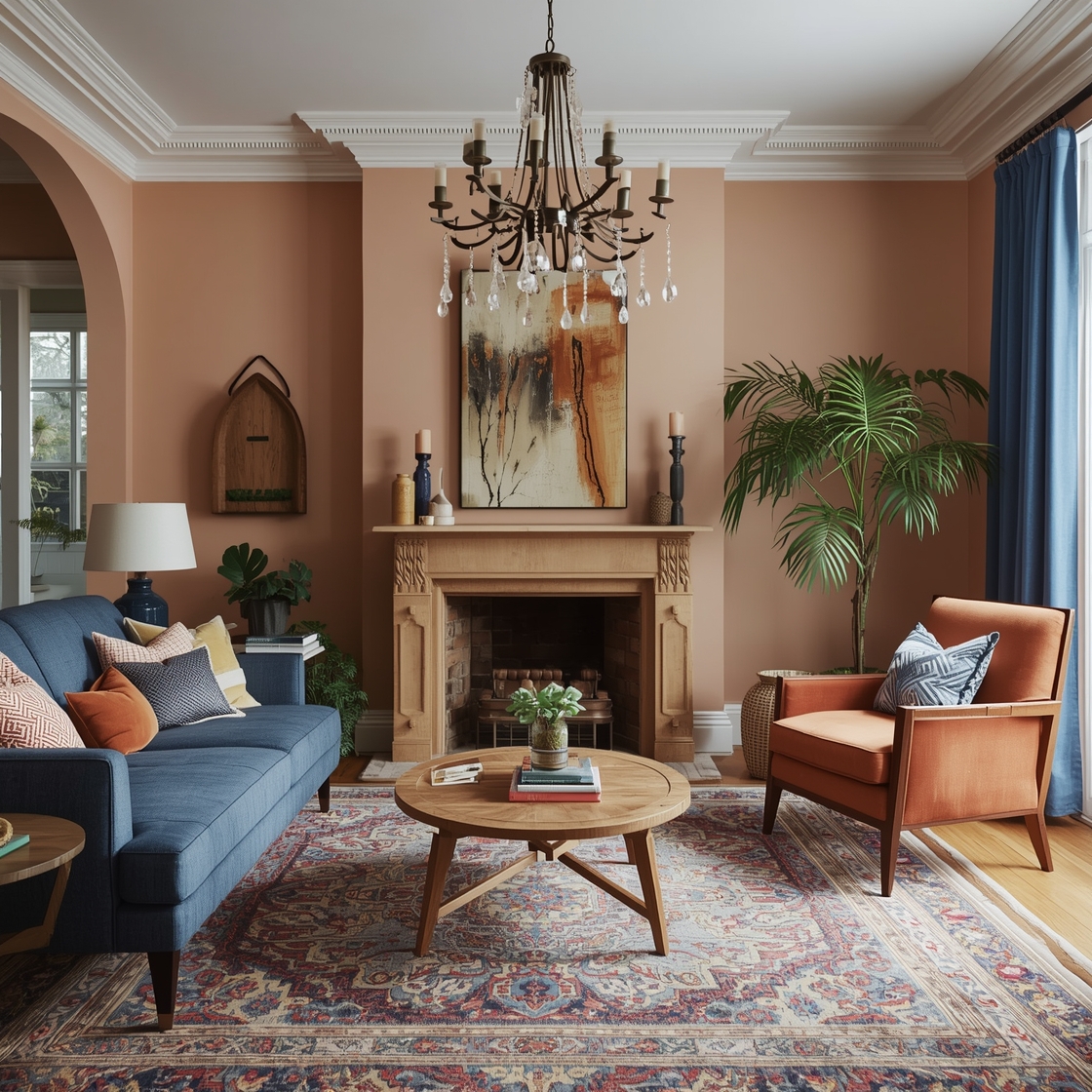
Stylish Color Harmony Palettes reflect current design trends while remaining timeless enough to endure changing fashions. Popular combinations include sage green with cream, terracotta with navy, and dusty rose with gray.
These sophisticated color schemes work across various design styles, from farmhouse to contemporary. The beauty of these color palette combinations lies in their versatility—they adapt beautifully to different textures, patterns, and furnishing styles. Incorporating metallic accents like brass or copper further elevates these harmonious schemes, adding luxurious finishing touches that complete the overall aesthetic.
Functional Color Harmony Plans
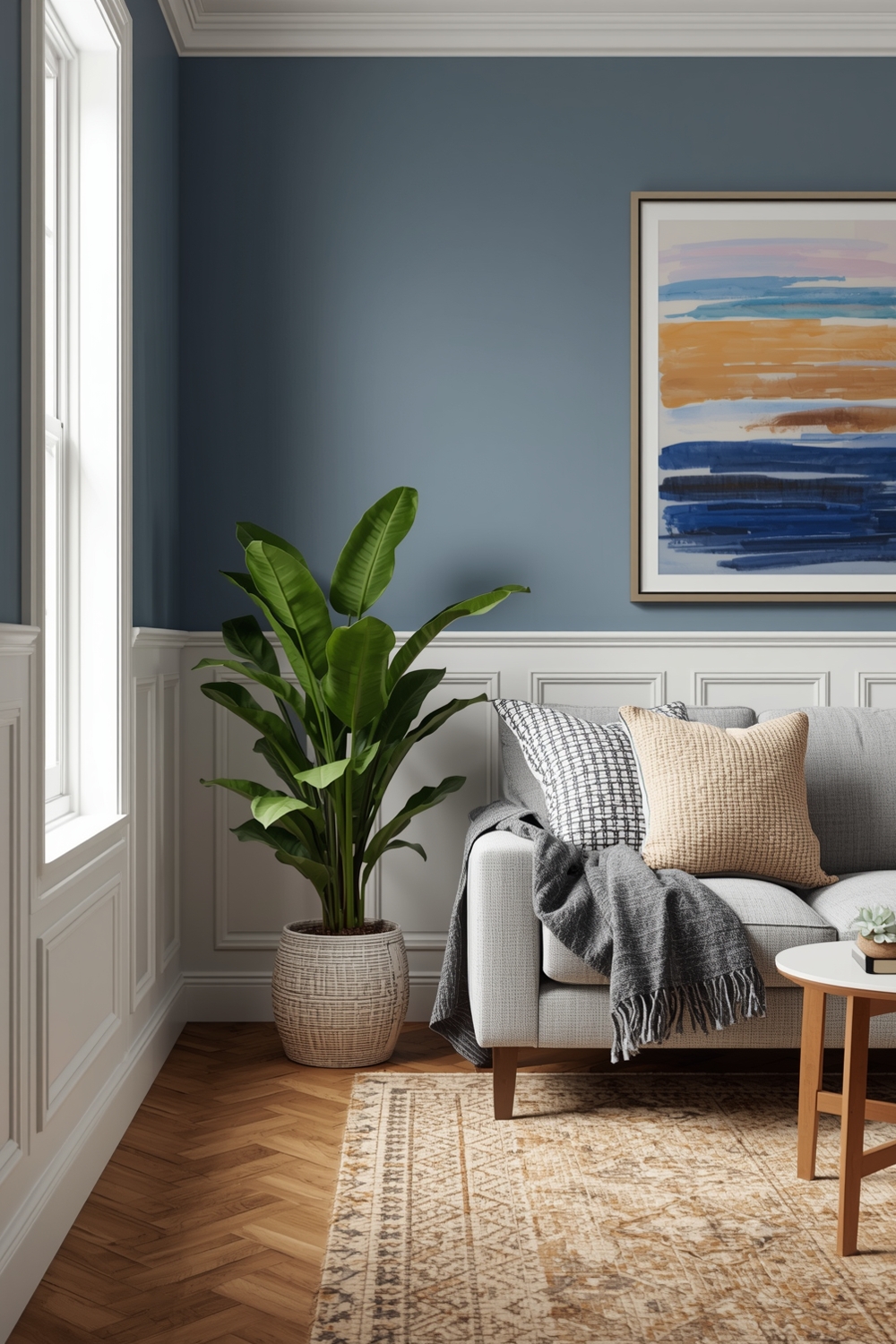
Functional Color Harmony Palettes prioritize both aesthetics and practicality. These schemes consider maintenance, durability, and lifestyle needs alongside visual appeal.
Families with children might choose darker, forgiving base colors with washable paint finishes, complemented by cheerful accent colors. Smart color palette combinations for high-traffic areas incorporate patterns and mid-tone colors that disguise wear while maintaining style. Functionality doesn’t mean sacrificing beauty—it means making intelligent color choices that serve your lifestyle.
Elegant Color Palette Layouts
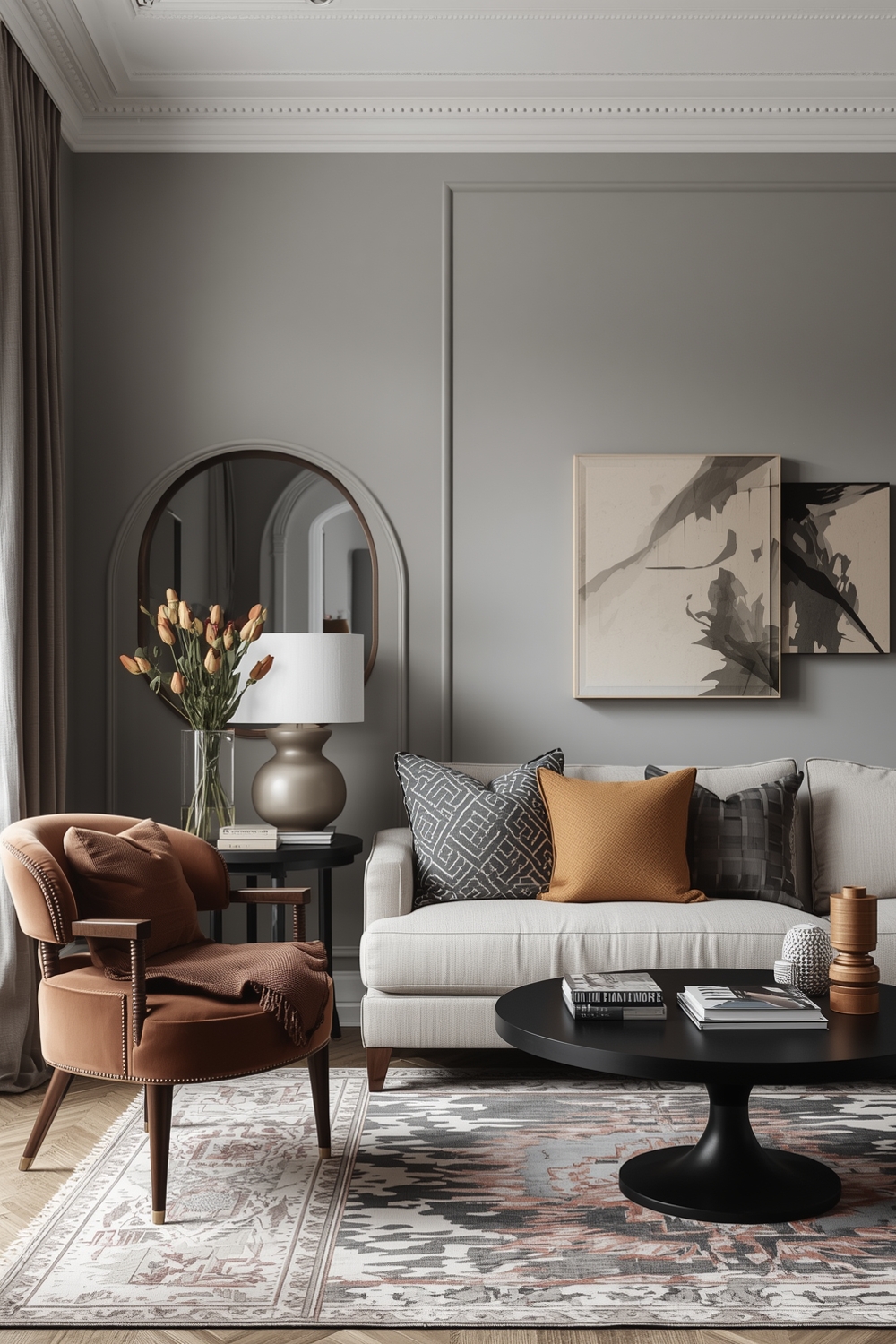
Elegant Color Harmony Palettes exude sophistication through refined color selections and thoughtful layering. Classic combinations like ivory with gold accents, navy with white, or gray with silver create timeless elegance.
These sophisticated schemes rely on quality over quantity, using restrained color palette combinations that emphasize luxury materials and impeccable execution. Elegant spaces often feature monochromatic schemes with subtle tonal variations that add depth without introducing visual chaos.
Minimalist Room Color Harmony
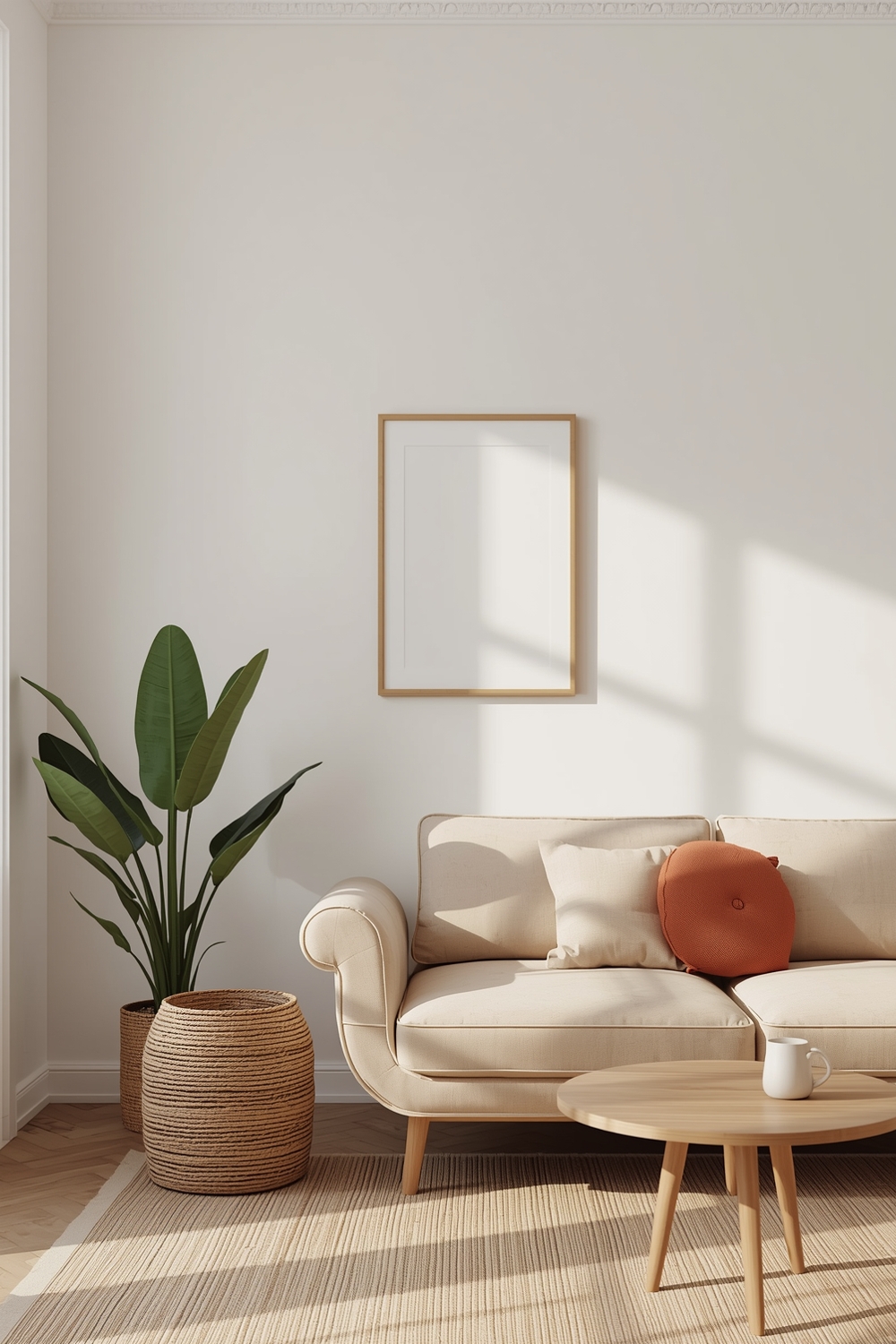
Minimalist Color Harmony Palettes embrace simplicity, typically featuring two to three colors maximum. These clean schemes often center on neutral bases with singular accent colors that provide subtle interest.
White, gray, and beige form the backbone of minimalist color palette combinations, occasionally punctuated by black or single bold accents. The minimalist approach creates serene, uncluttered environments where every color choice serves a clear purpose. This restraint produces calming spaces that feel intentional and peaceful.
These simplified palettes work particularly well in smaller spaces, making rooms feel larger and more open through their visual simplicity and lack of color competition.
Contemporary Color Harmony Designs
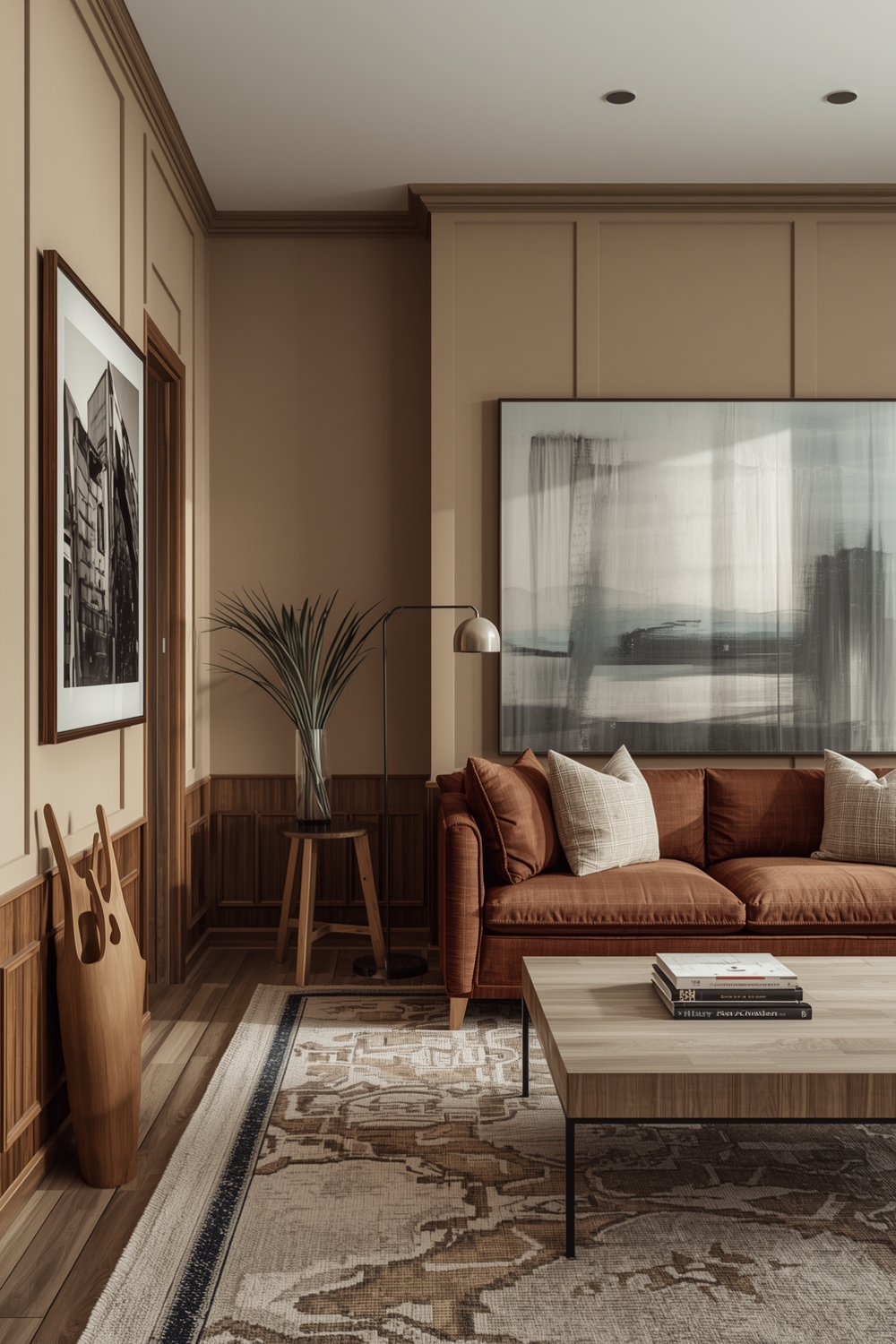
Contemporary Color Harmony Palettes blend current trends with livable comfort. These schemes often incorporate nature-inspired colors like forest green, ocean blue, and earthy browns alongside modern neutrals.
Contemporary color palette combinations feel fresh without being trendy, ensuring longevity beyond fleeting fashions. These versatile schemes adapt easily to evolving styles, making them smart investments for homeowners seeking enduring appeal with modern sensibility.
Cozy and Balanced Color Ideas
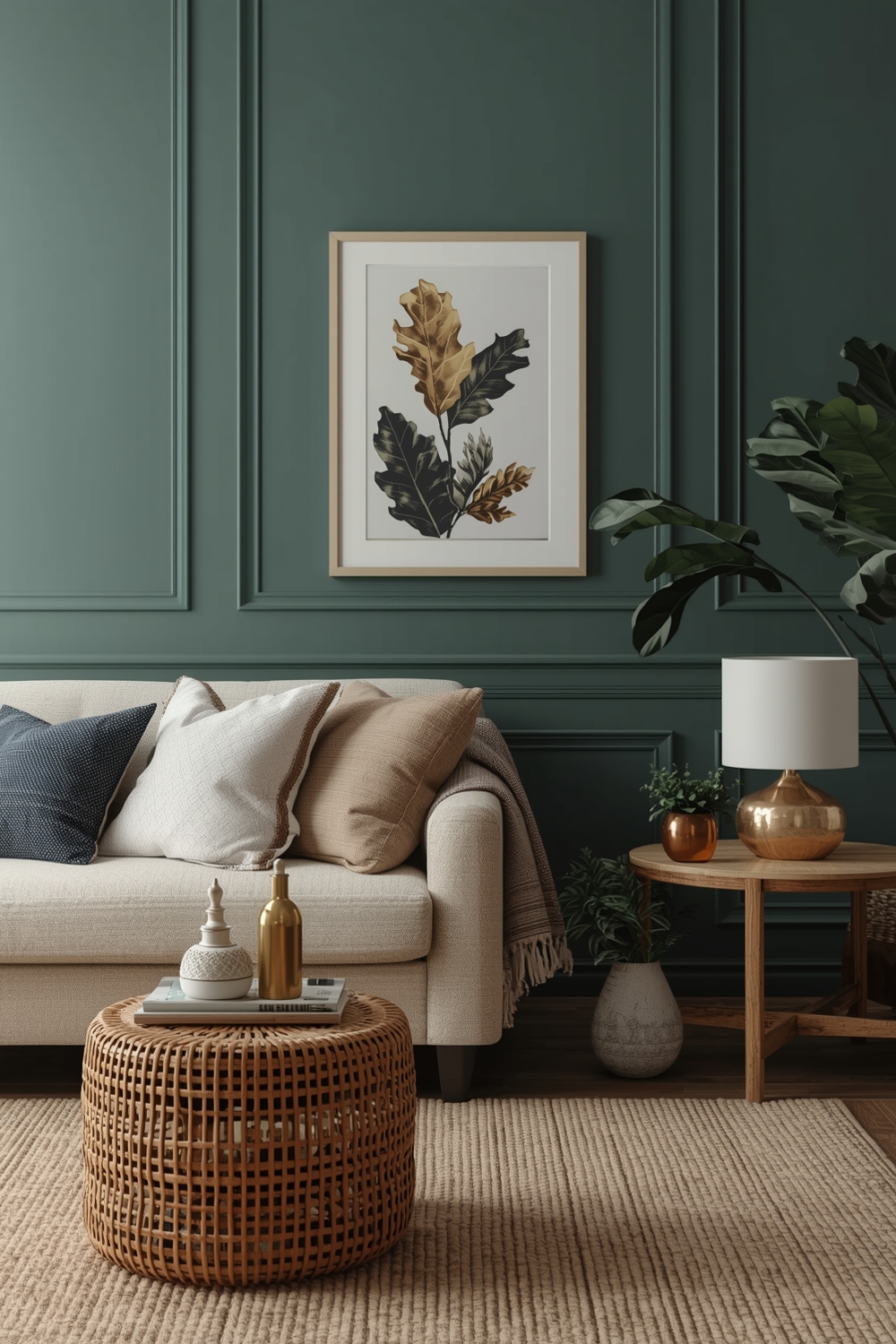
Cozy Color Harmony Palettes prioritize warmth and comfort through carefully selected hues. Warm neutrals, soft browns, burnt oranges, and deep reds create inviting atmospheres perfect for gathering spaces.
These nurturing color palette combinations make rooms feel embracing and intimate. Layering various warm tones in different intensities adds depth while maintaining cohesion. Incorporating natural textures like wood and wool in complementary colors further enhances the cozy atmosphere these palettes create.
Neutral and Bright Color Layouts
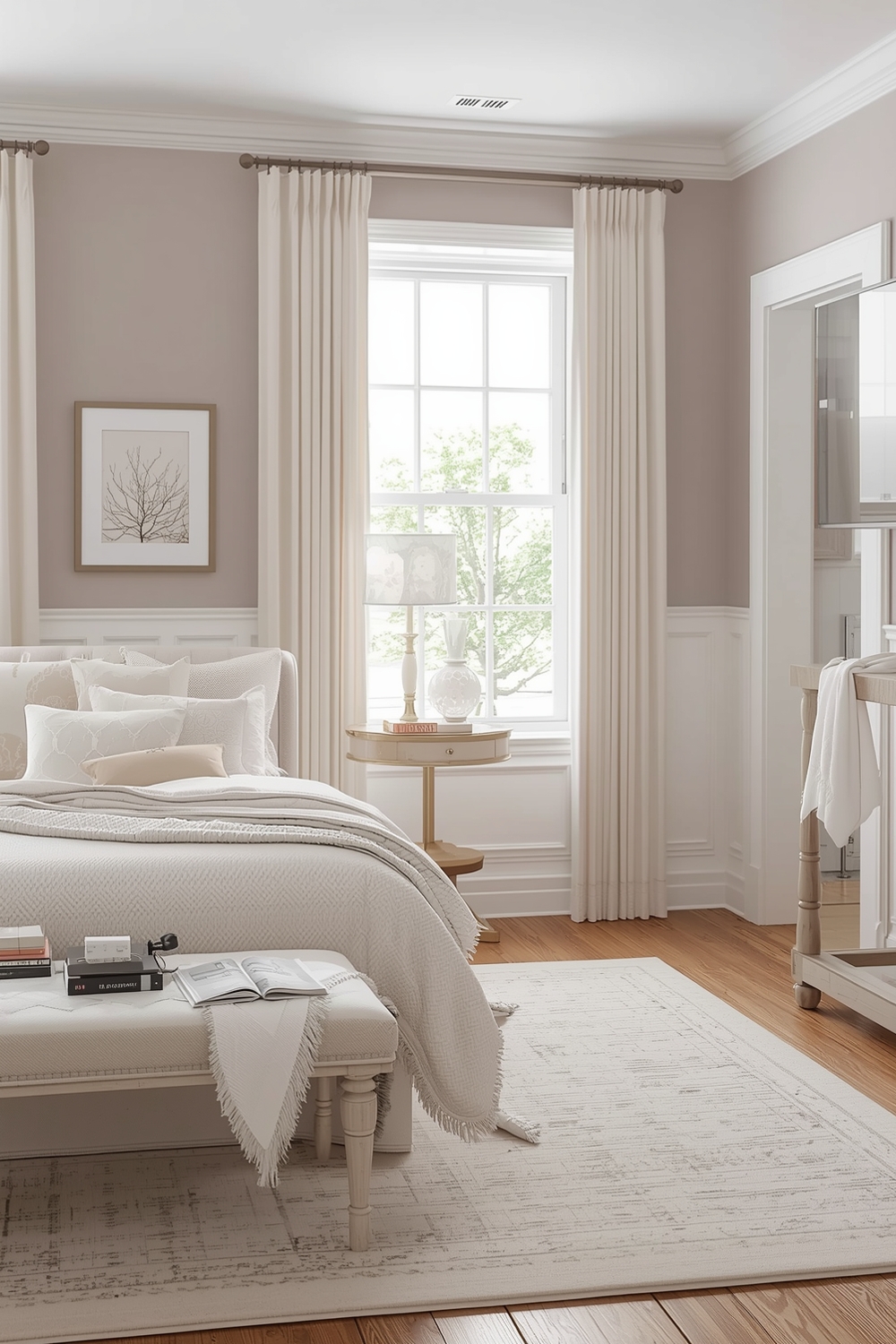
Neutral-based Color Harmony Palettes with bright accents offer flexibility and visual interest. Starting with neutral foundations like white, beige, or gray allows for bold accent colors that can be easily changed seasonally.
This approach to color palette combinations provides decorating freedom without requiring complete room overhauls. Bright yellows, vibrant blues, or energetic greens pop beautifully against neutral backgrounds.
The neutral base ensures the space never feels overwhelming, while bright accents inject personality and energy. This combination creates balanced interiors that feel both calming and invigorating, offering the best of both worlds for homeowners who appreciate versatility.
Accent Color Harmony Ideas
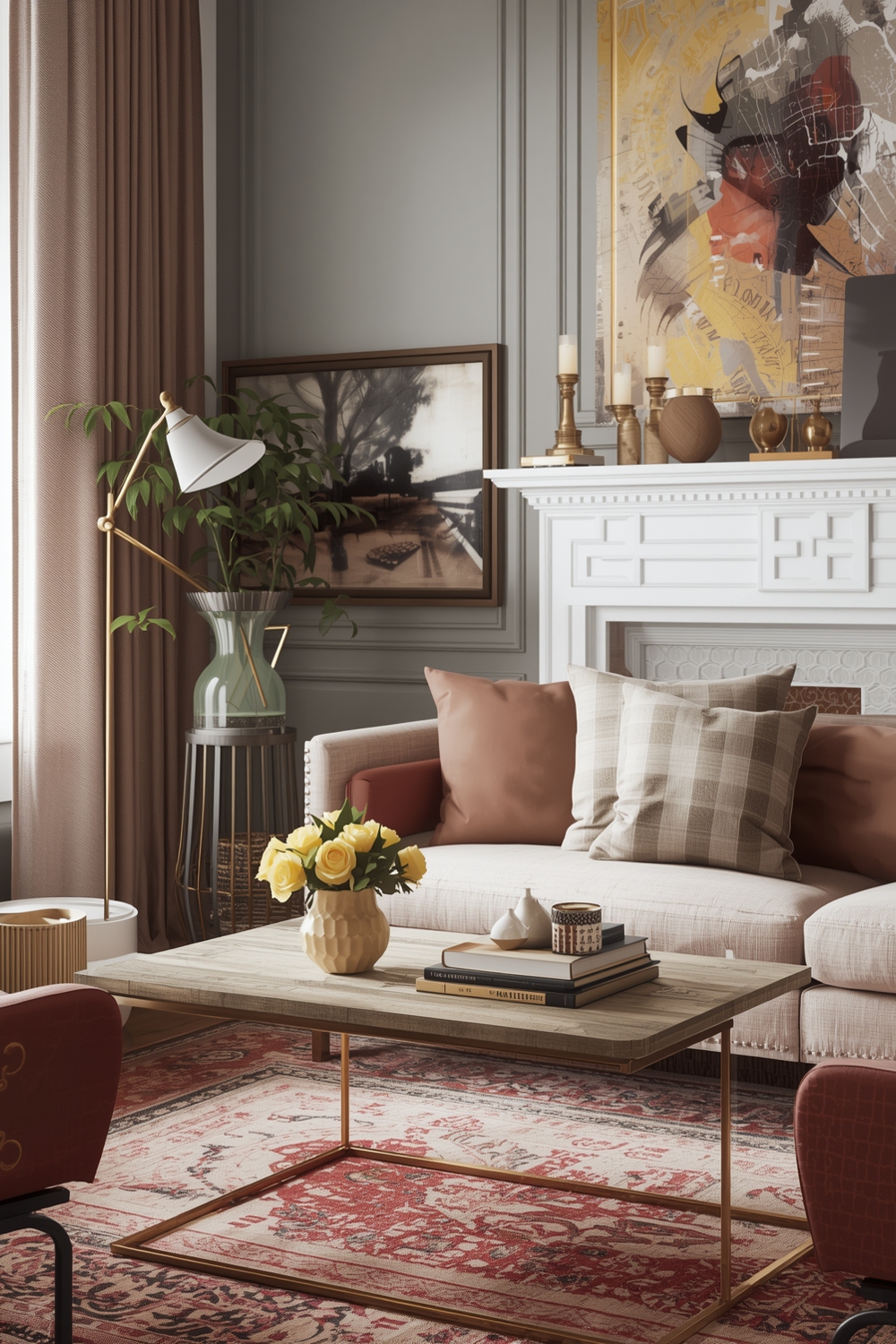
Strategic accent colors transform ordinary Color Harmony Palettes into extraordinary spaces. These focal colors, used sparingly, create visual interest and draw attention to architectural features or design elements.
Successful accent color palette combinations use the 10% rule—limiting bold colors to approximately one-tenth of the space’s visual field. This might include throw pillows, artwork, or single accent walls.
Popular accent colors include emerald green, sapphire blue, and rich burgundy against neutral backgrounds. These punches of color energize spaces without overwhelming the overall harmony, creating memorable interiors that balance restraint with bold expression.
Room Color Pairing Layouts
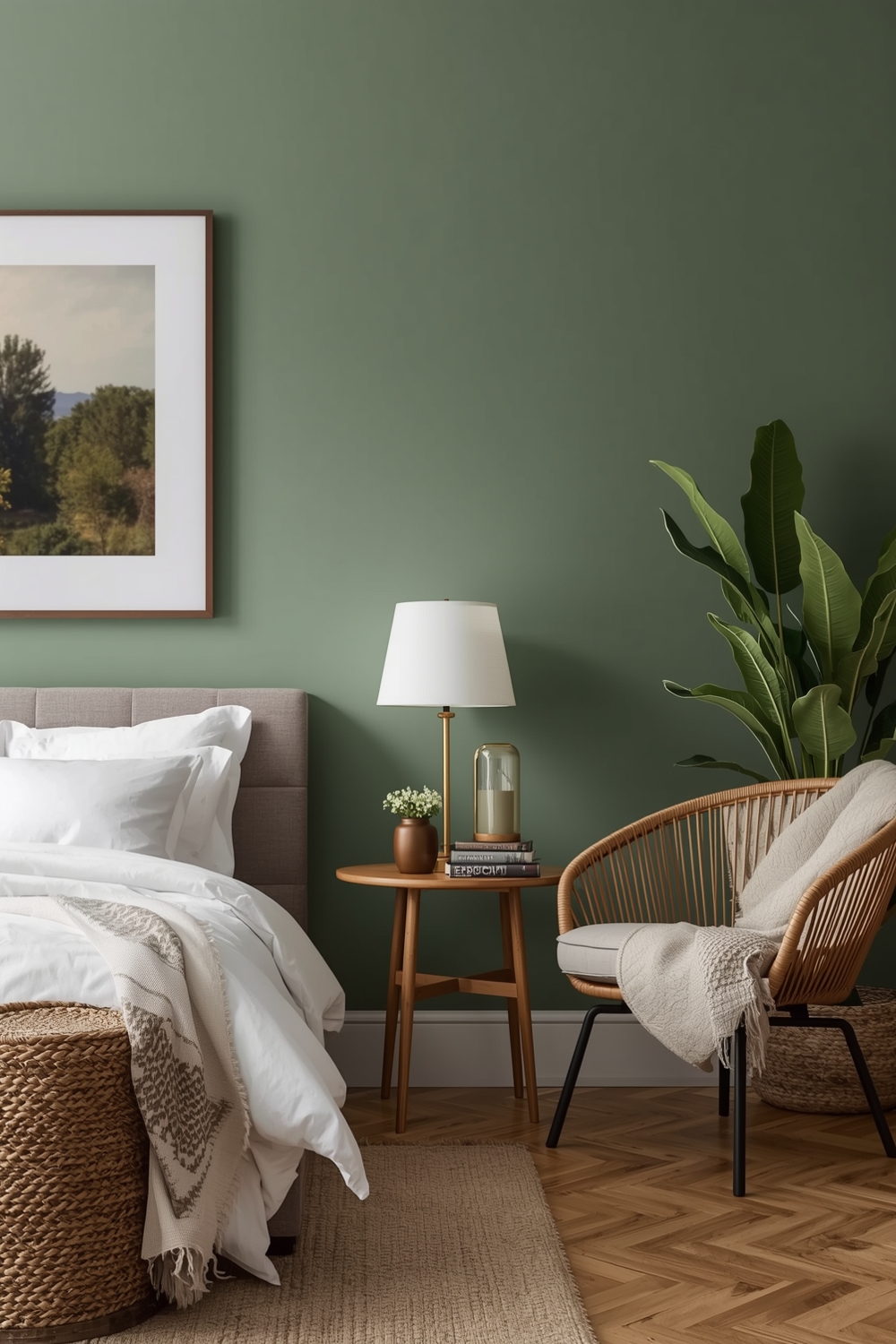
Effective room color pairing within Color Harmony Palettes creates flow between adjacent spaces. Open-concept homes particularly benefit from coordinated color schemes that transition smoothly from room to room.
Consider using variations of the same color palette combinations throughout connected spaces, perhaps using your living room’s accent color as the bedroom’s secondary color. This approach creates visual continuity while allowing each space to maintain distinct character and appropriate mood for its function.
Timeless Color Harmony Inspiration
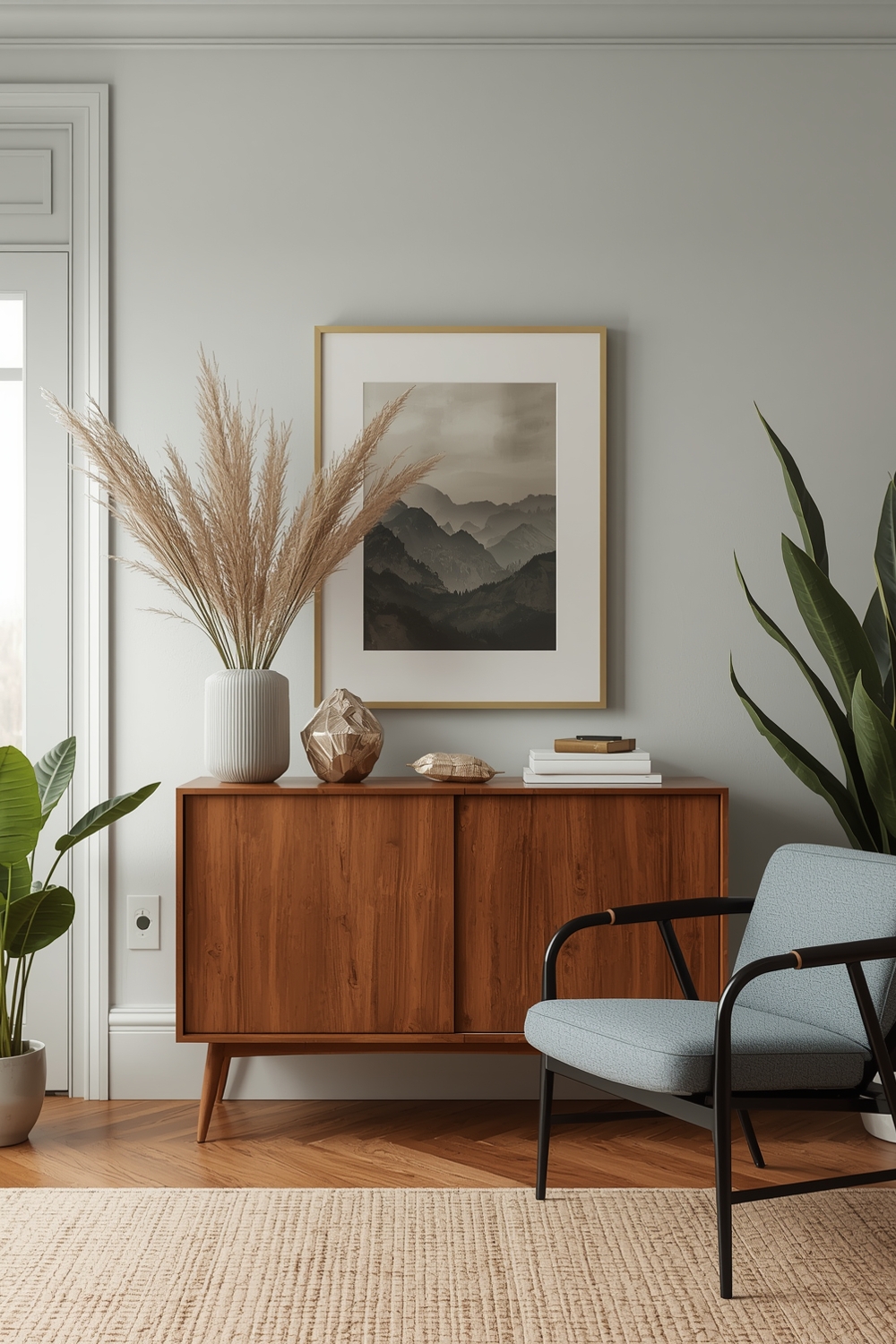
Timeless Color Harmony Palettes transcend temporary trends, remaining beautiful for decades. Classic combinations like blue and white, gray and yellow, or green and cream never feel dated.
These enduring color palette combinations prove that certain color relationships possess inherent appeal that withstands changing fashions. Investing in timeless palettes ensures your home remains stylish without requiring frequent updates, making them economically wise and aesthetically sound choices for long-term satisfaction.
Bedroom and Living Room Color Harmony
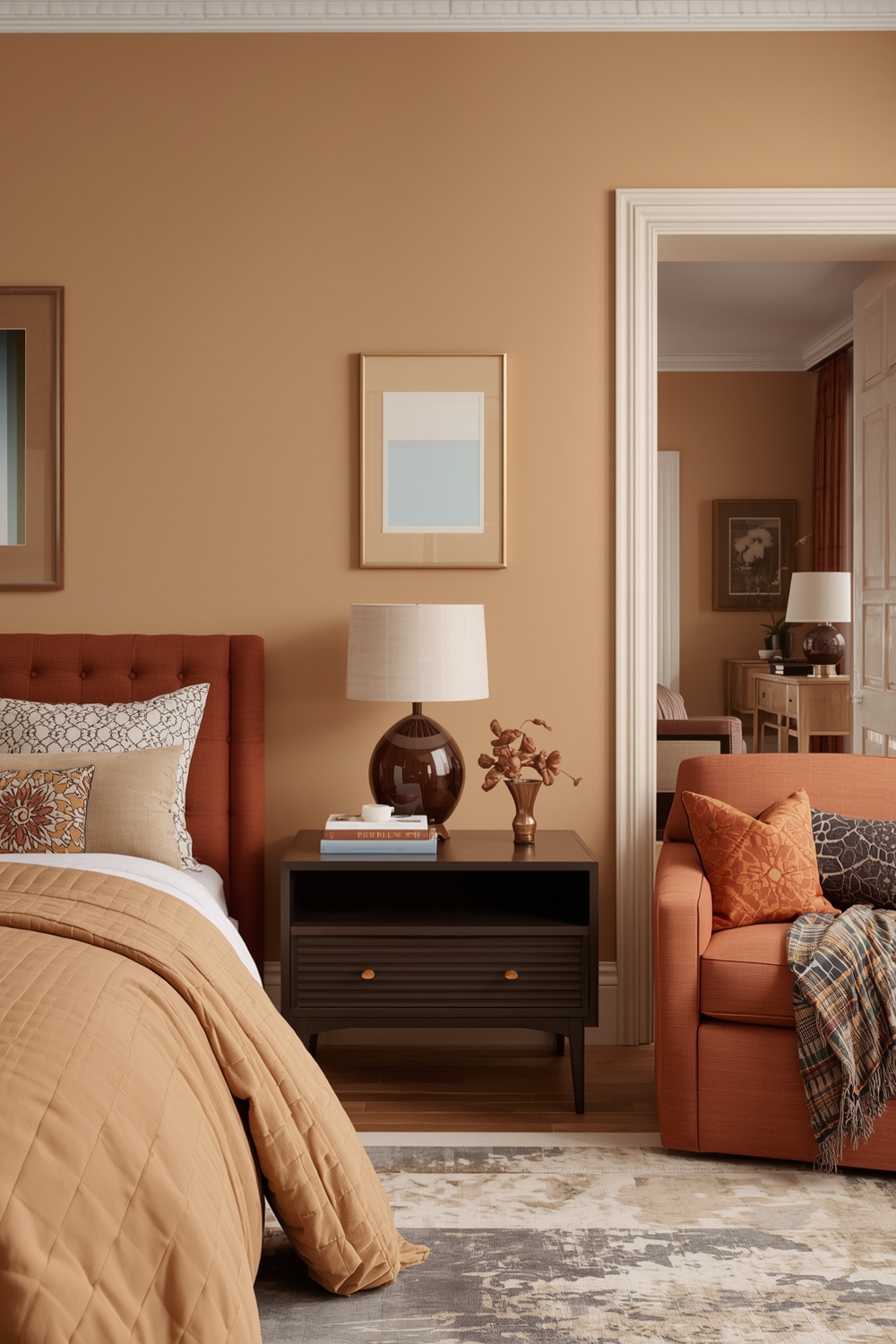
Bedrooms and living rooms require different Color Harmony Palettes reflecting their distinct purposes. Bedrooms benefit from calming blues, soft greens, and muted lavenders that promote relaxation and restful sleep.
Living rooms can handle more energetic color palette combinations featuring warmer tones that encourage conversation and activity. Consider soft grays with warm wood tones for bedrooms, while living spaces might feature terracotta with cream or navy with coral.
Maintaining some color connection between these key spaces creates home-wide cohesion while respecting each room’s unique function. This balanced approach ensures your entire home feels intentionally designed rather than randomly assembled.
How This Idea Improves Your Space
Implementing thoughtful Color Harmony Palettes dramatically improves your home’s atmosphere, functionality, and aesthetic appeal. Coordinated color schemes create visual flow that makes spaces feel larger, more cohesive, and professionally designed.
Well-chosen color palette combinations influence mood, productivity, and comfort levels. They can make small rooms appear larger, dark spaces feel brighter, and impersonal houses transform into welcoming homes that truly reflect your personality and design sensibilities.
Budget-Friendly Tips
Creating beautiful Color Harmony Palettes doesn’t require expensive renovations. Start with paint—the most cost-effective transformation tool available. Add coordinating textiles like throw pillows, curtains, and area rugs in your chosen color palette combinations to complete the look affordably without major investment.
Conclusion
Mastering Color Harmony Palettes empowers you to create beautiful, balanced interiors that reflect your style while enhancing your home’s comfort and functionality. These 15 proven layouts offer versatile starting points for any space, whether you prefer bold modern statements or timeless classic elegance. Implementing thoughtful color palette combinations transforms ordinary rooms into extraordinary spaces you’ll love for years to come.
FAQs
What are Color Harmony Palettes?
Color Harmony Palettes are coordinated color schemes using colors that naturally complement each other, creating visually balanced and aesthetically pleasing spaces.
How many colors should I use in a room?
The classic formula uses three colors: 60% dominant color, 30% secondary color, and 10% accent color for optimal balance.
Can I mix warm and cool colors?
Yes! Mixing warm and cool tones creates depth and interest. Just maintain one temperature as dominant for cohesion.
What’s the easiest Color Harmony Palette for beginners?
Start with monochromatic schemes using different shades of one color, or neutral bases with single accent colors for foolproof results.
How do I choose colors for small spaces?
Light, cool colors make small spaces feel larger. Use consistent color palettes throughout to create visual flow and openness.