Introduction
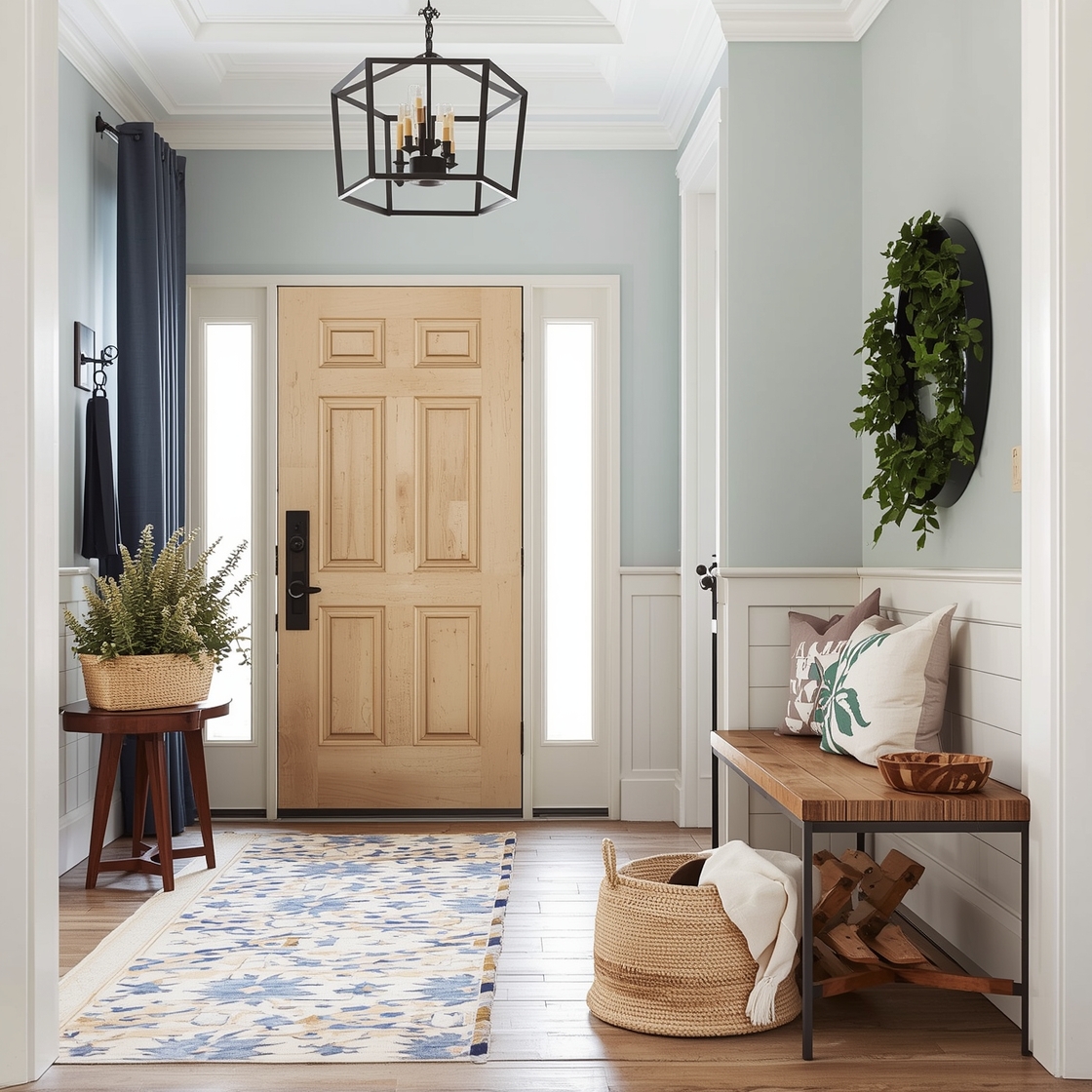
Creating a welcoming first impression starts with your home’s entrance. Small Entryways can be challenging to design, but with the right combinations of furniture, storage, and decor, even the tiniest spaces can make a big impact. Whether you’re working with a narrow hallway or a compact foyer, these small entryway ideas will help you maximize functionality while maintaining style. From clever storage solutions to eye-catching design elements, discover how to transform your small entryway into an organized and beautiful space.
Small Entryway Combinations That Look Amazing
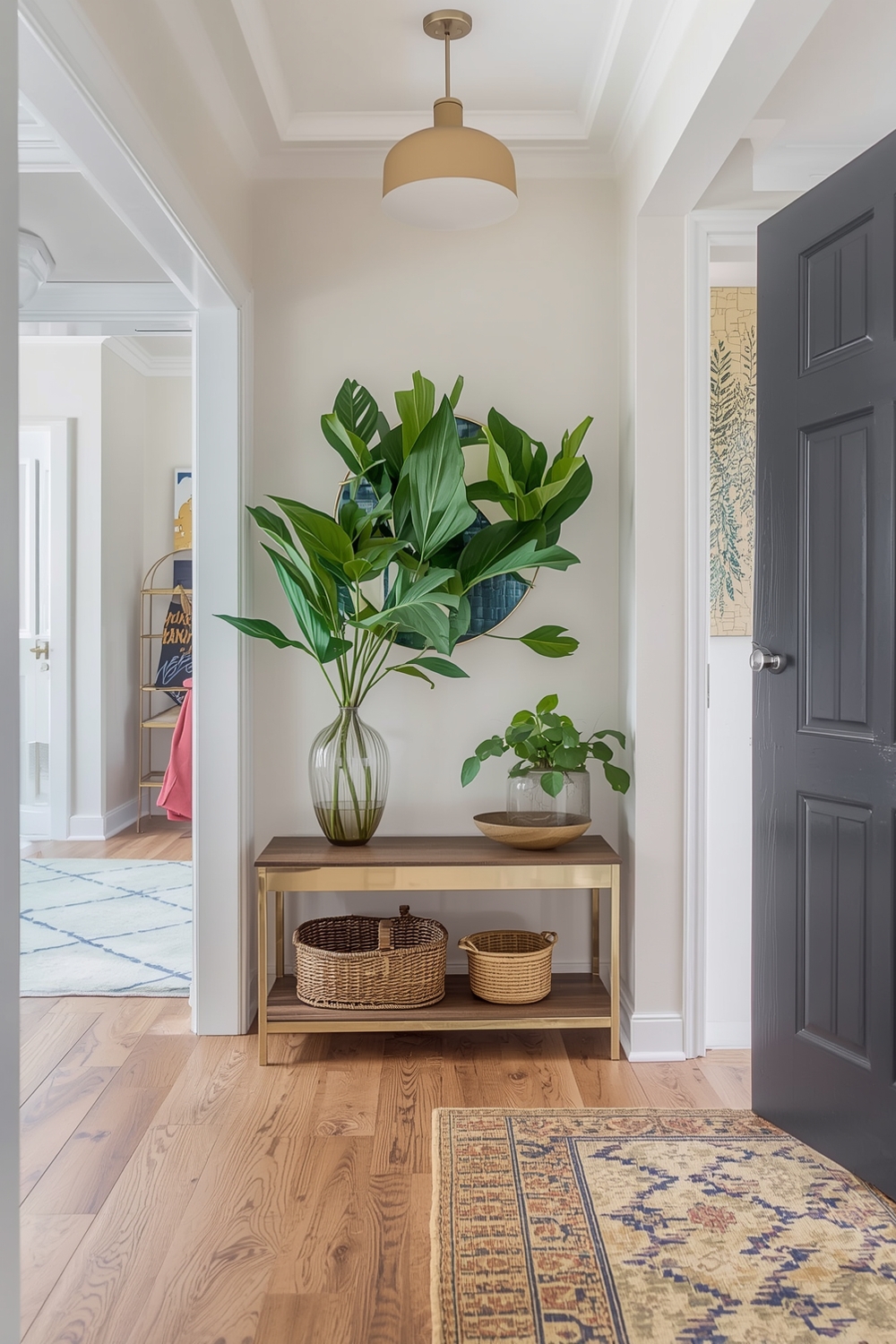
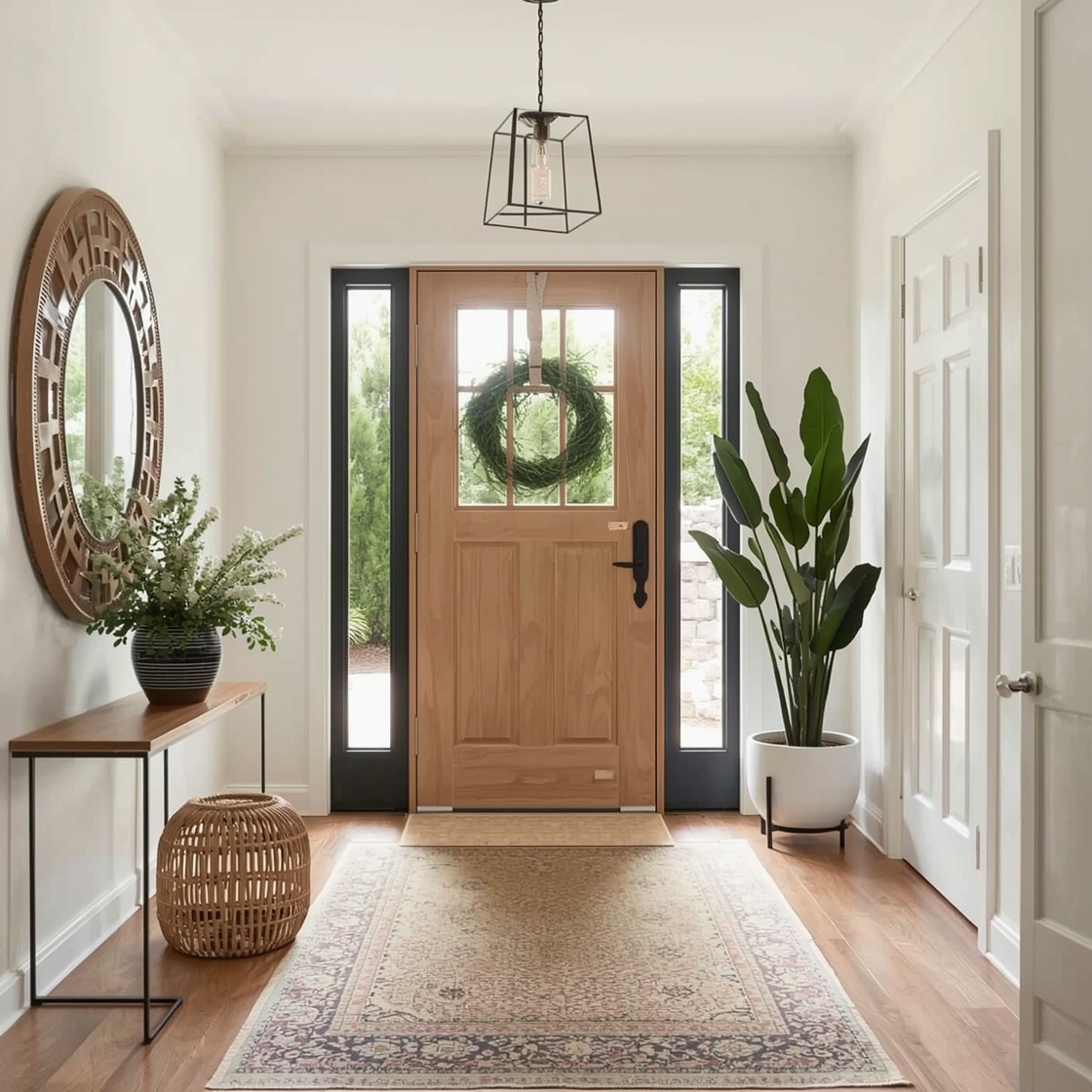
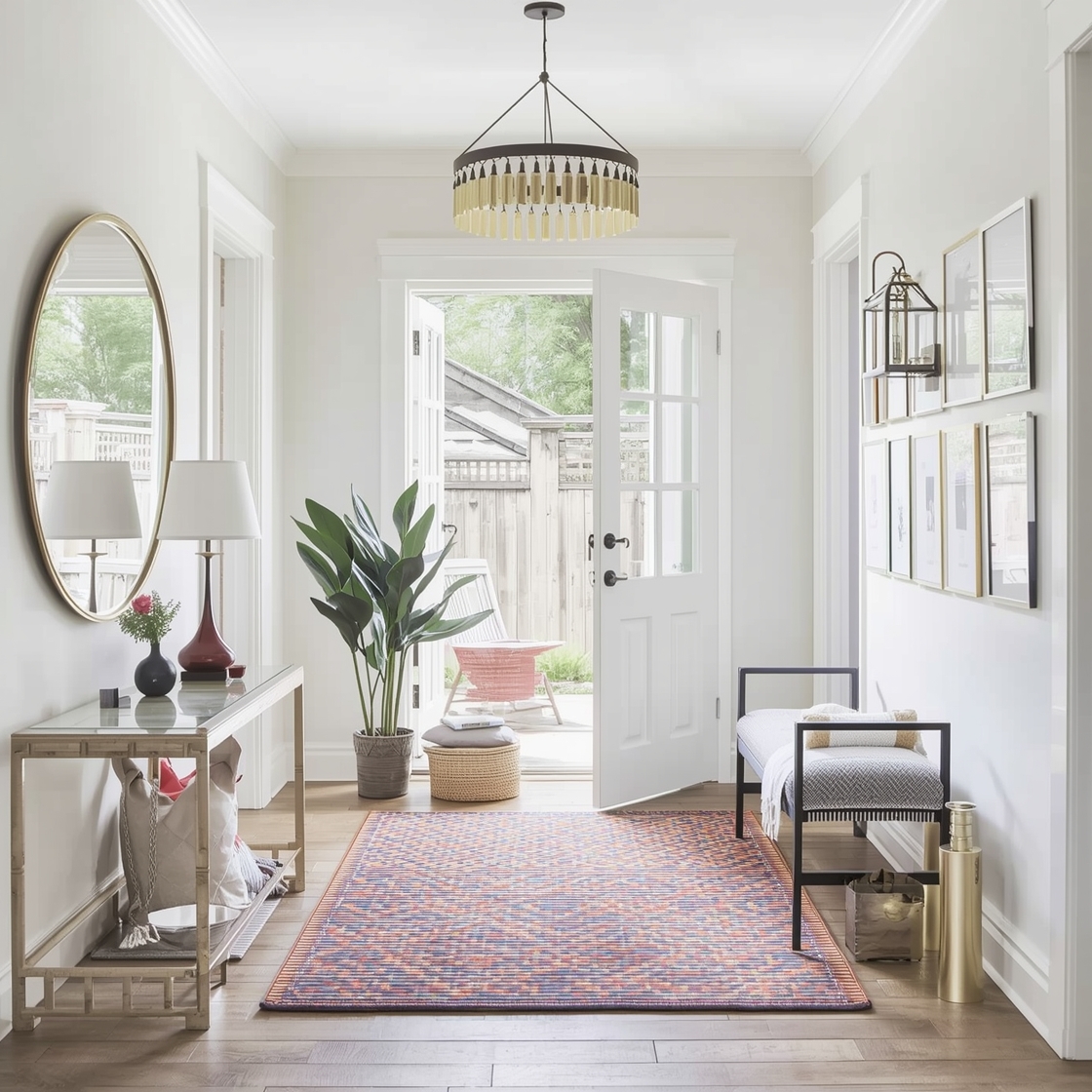
Combining the right elements is essential when designing Small Entryways. The key is to balance functionality with aesthetics. Start by pairing a slim console table with a decorative mirror above it to create depth and visual interest.
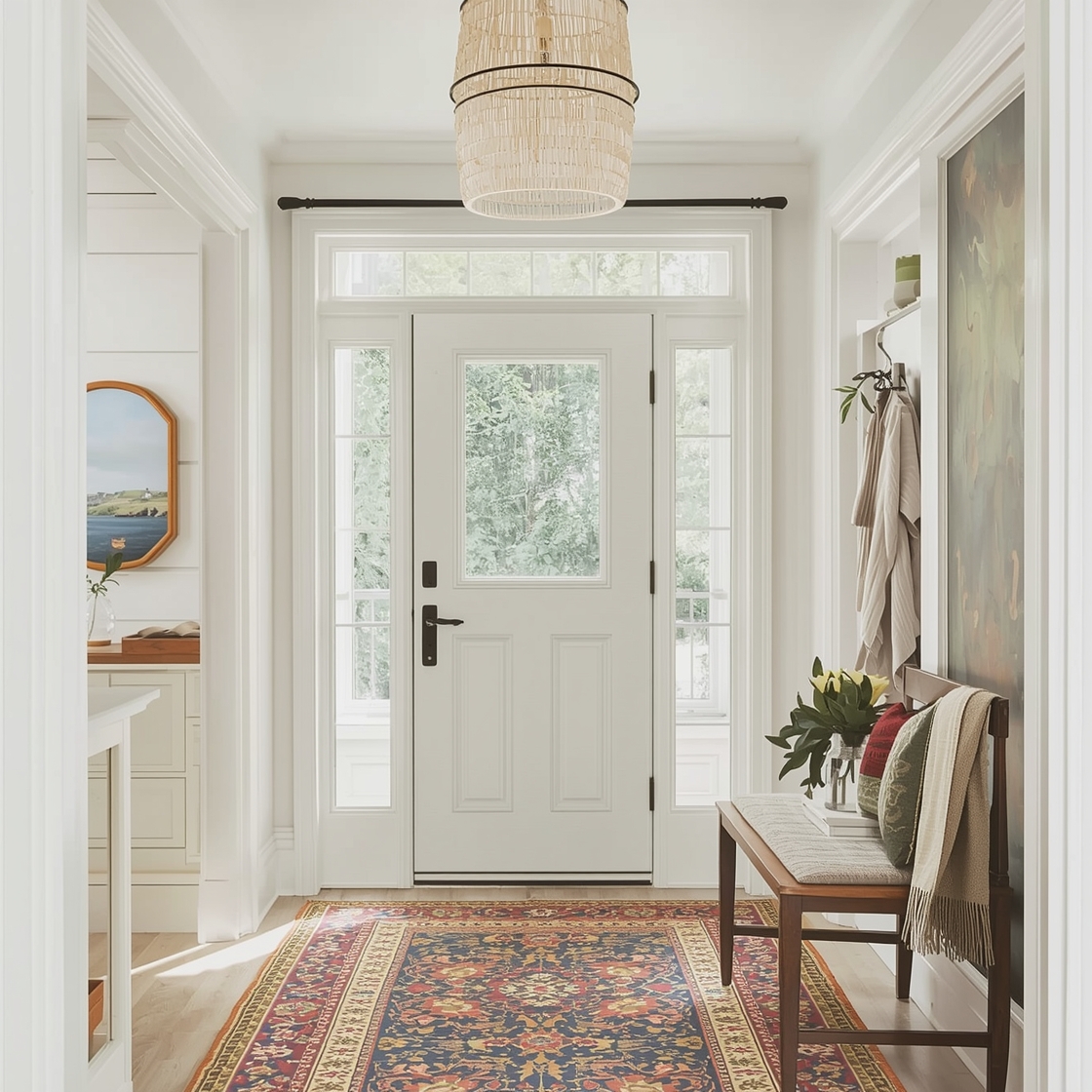
Add a small bench or ottoman for seating while putting on shoes, and incorporate hooks or a wall-mounted coat rack for vertical storage. These combinations work together to create a cohesive look that doesn’t overwhelm the space.
Consider mixing textures like wood, metal, and fabric to add dimension. The perfect combination includes practical storage, comfortable seating, and decorative accents that reflect your personal style while keeping the area clutter-free and inviting.
Small Entryway Layout Combinations

Layout planning is crucial for Small Entryways. Consider creating zones within your compact space—a drop zone for keys and mail, a seating area for footwear changes, and a display area for decorative items.
One effective layout places a narrow console against one wall with a mirror or artwork above, while the opposite wall features hooks or a coat rack. If space permits, position a small bench perpendicular to the entrance for optimal flow.
For extremely narrow entryways, go vertical with tall, slim storage units and floating shelves. The linear layout maximizes floor space while providing ample storage. Remember to maintain at least 36 inches of clearance for comfortable movement through the space.
Functional Small Entryway Ideas
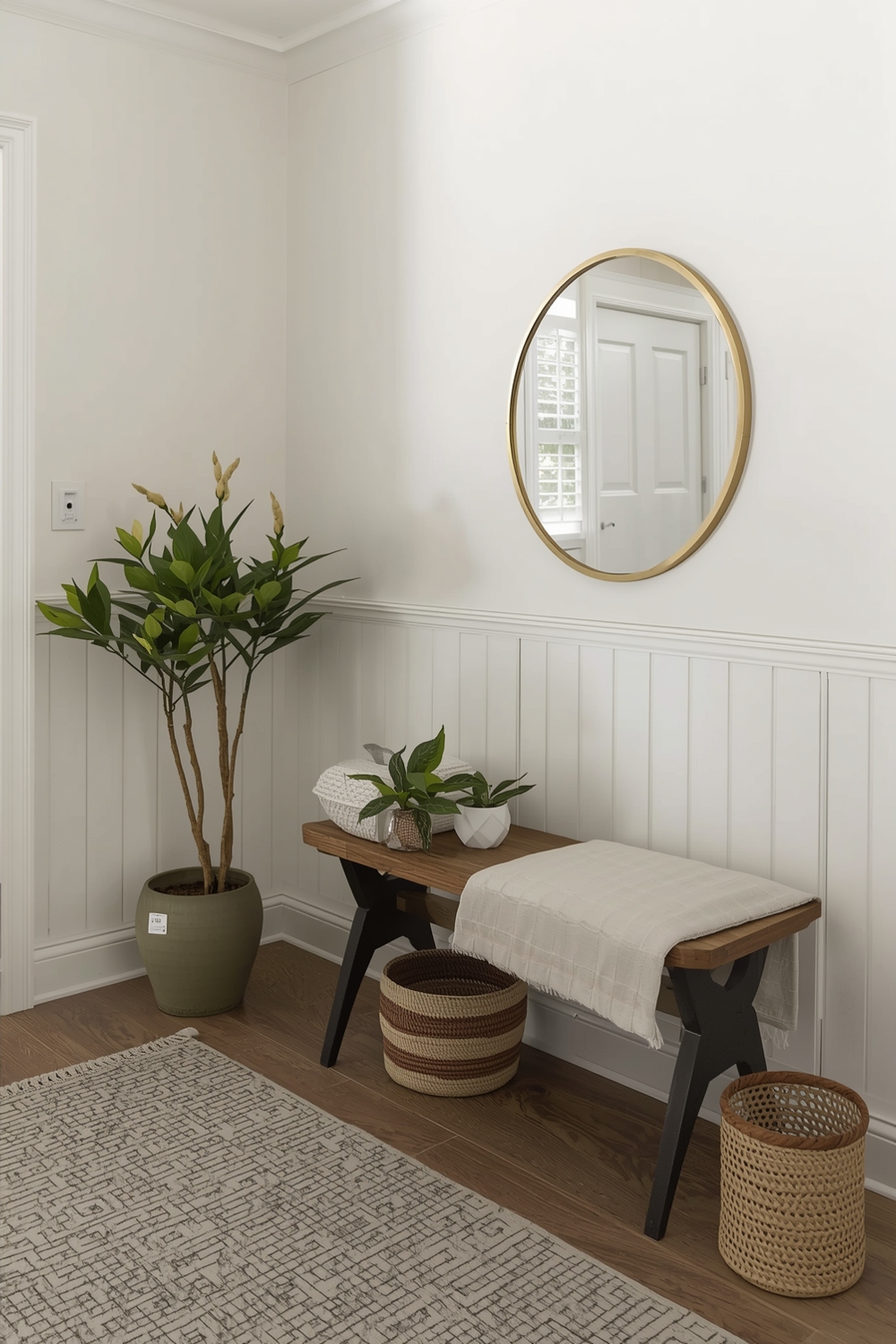
Functionality should never be sacrificed in small entryway designs. Multi-purpose furniture is your best friend in compact spaces. Choose a storage bench that offers hidden compartments for shoes, bags, and seasonal accessories.
Wall-mounted organizers with compartments for keys, sunglasses, and mail keep essentials accessible yet organized. Install a fold-down desk or shelf that can serve as a temporary workspace or package holding area. Incorporate a small tray or bowl on your console for everyday carry items, preventing countertop clutter throughout your home.
Stylish Small Entryway Layouts
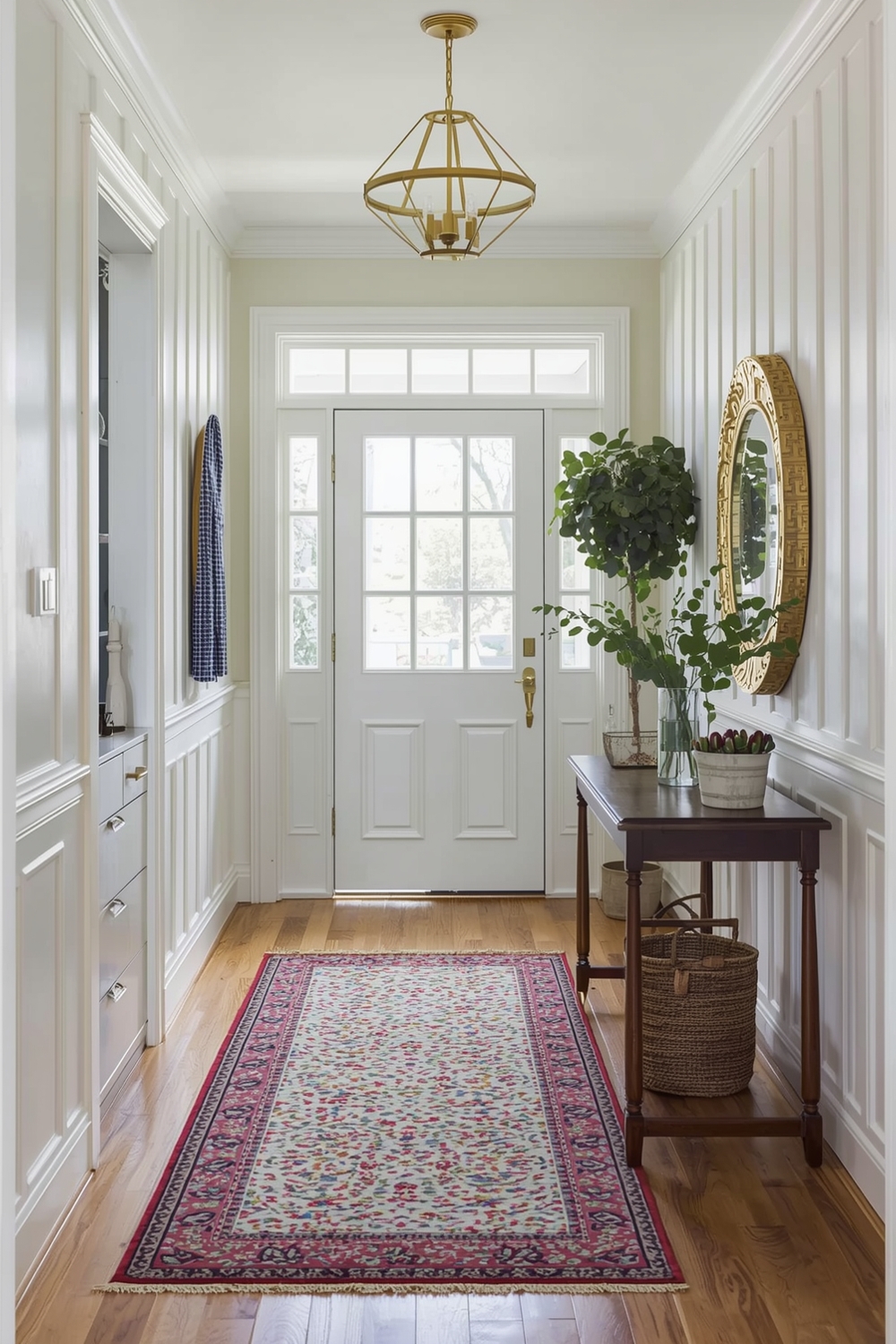
Style meets practicality in well-designed small entryway spaces. Create visual interest by layering different heights—a floor lamp, medium-height console, and wall-mounted art create dynamic vertical lines.
Choose furniture with elegant legs that allow light to flow underneath, making the space feel more open. A round mirror softens angular walls, while geometric patterns in rugs or wallpaper add personality.
Incorporate metallic finishes in lighting fixtures and hardware to add sophistication. Don’t be afraid to make a bold statement with wallpaper or an accent wall—small spaces can handle dramatic design when other elements remain streamlined and cohesive.
Minimalist Small Entryway Storage

Minimalist design principles work exceptionally well in small entryways. Embrace clean lines and neutral colors to create a serene entrance. A simple floating shelf with concealed brackets provides storage without visual clutter.
Choose a sleek wall-mounted coat rack with minimal pegs in matte black or brushed nickel. Keep surfaces clear except for one or two carefully selected decorative objects.
Built-in storage solutions that blend with the wall maintain the minimalist aesthetic while offering functionality. A single statement piece, like an sculptural umbrella stand or a modern bench, can serve as the focal point. This approach creates a calm, uncluttered entrance that feels spacious despite its compact dimensions.
Small Entryway Organization Tips
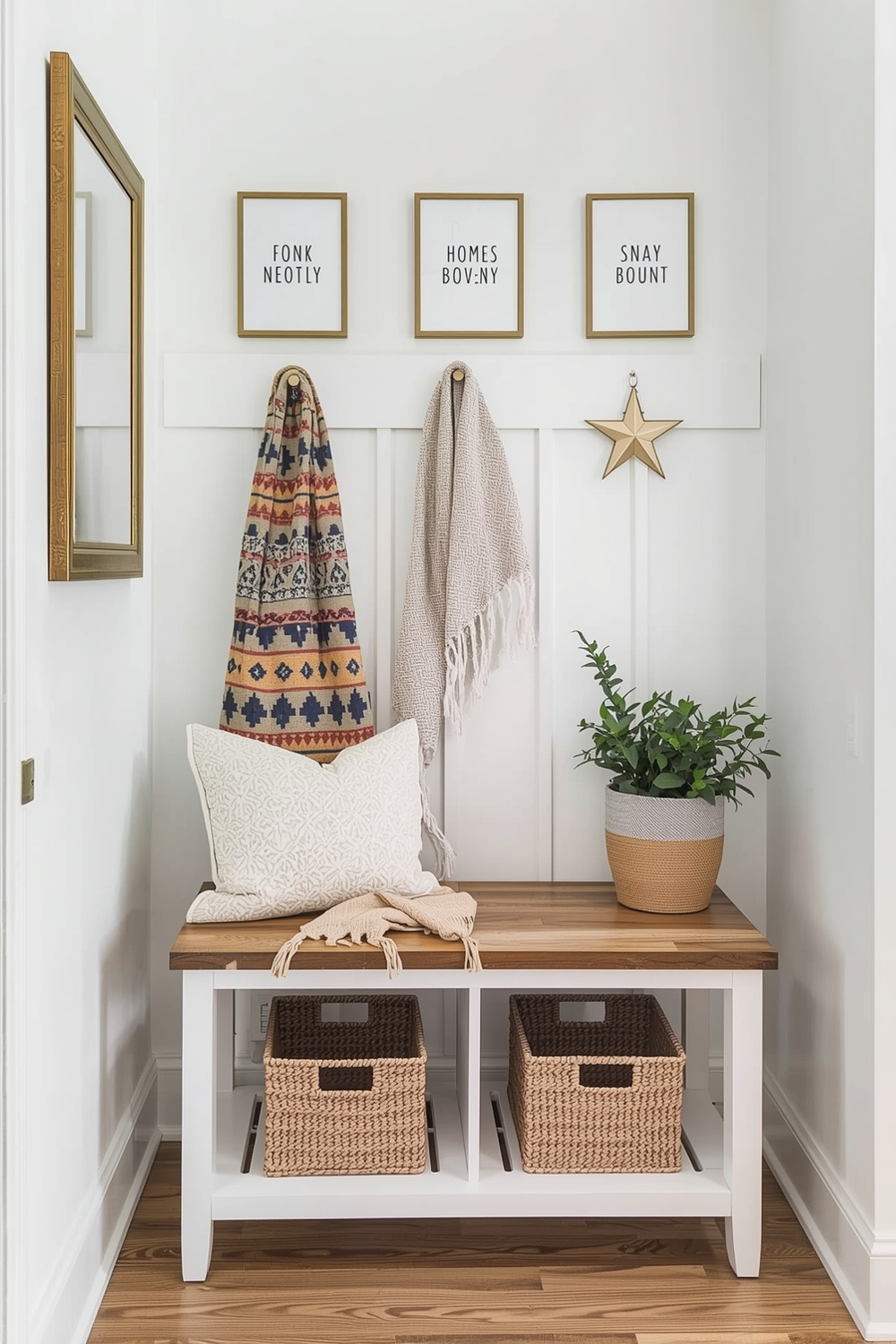
Organization transforms chaotic small entryways into efficient spaces. Implement the “one in, one out” rule to prevent accumulation. Assign specific spots for everyday items—keys always go on the designated hook, shoes in their basket.
Use drawer dividers in console tables to separate small items like sunglasses, dog leashes, and charging cables. Label baskets and bins to help household members maintain the system.
Install a mail sorting system immediately upon entry to prevent paper piles. Keep seasonal items in rotation, storing off-season coats and accessories elsewhere. Regular weekly maintenance prevents overwhelm and keeps your entryway functioning smoothly.
Small Entryway Design Accents

Design accents add personality to compact entryways without consuming valuable space. A statement mirror serves as both functional item and artwork, reflecting light and creating the illusion of more space.
Fresh flowers or a low-maintenance plant like a snake plant or pothos adds life and color. Decorative hooks shaped like animals, geometric forms, or vintage keys transform necessary hardware into art.
A patterned runner or area rug grounds the space while protecting floors and defining the entryway zone. Framed artwork or a gallery wall of family photos personalizes the space, making guests feel welcome from the moment they enter.
Cozy Small Entryway Layouts
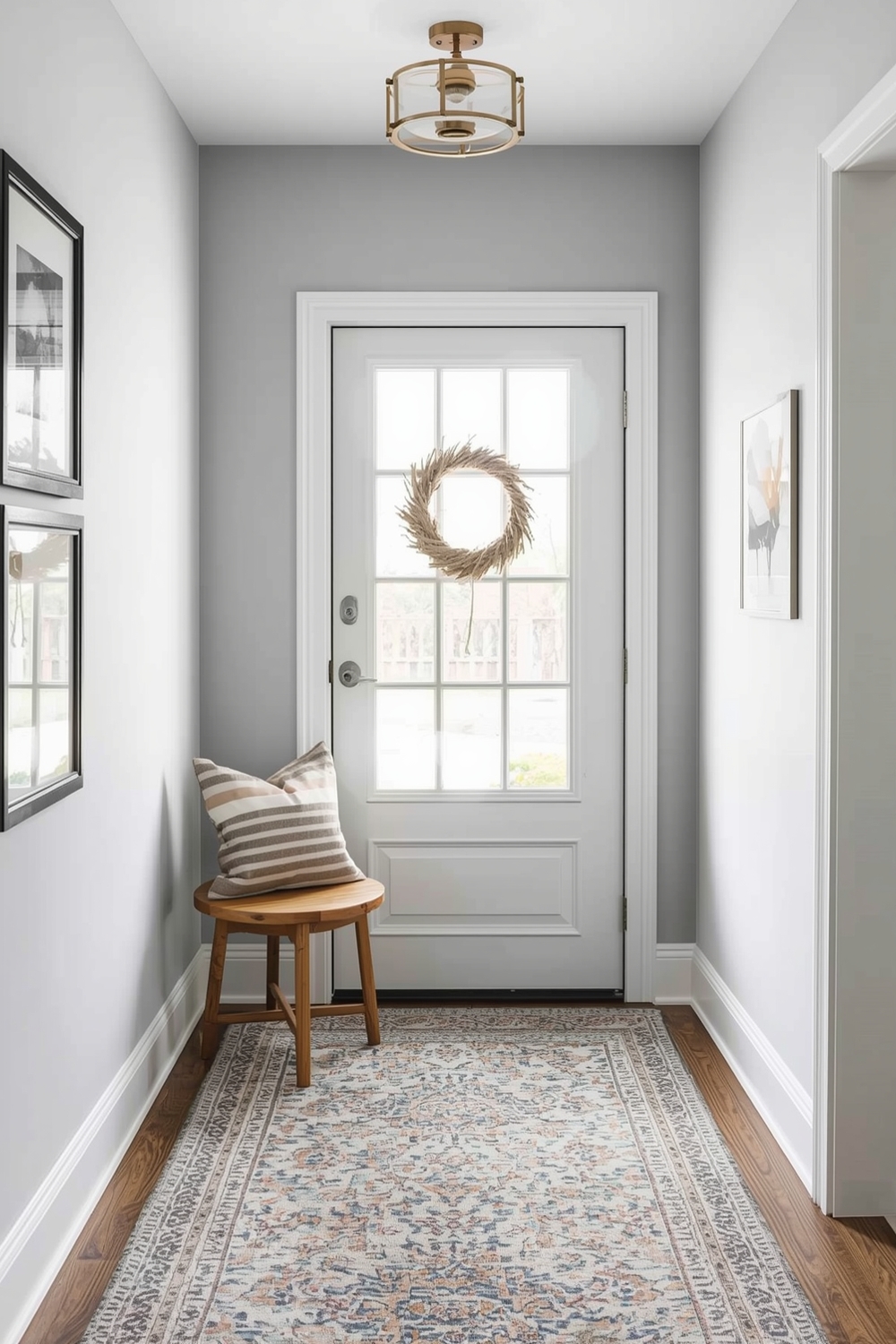
Creating warmth in small entryways invites people into your home. Layer soft textiles like a plush rug underfoot and cushions on bench seating. Choose warm wood tones in furniture and accessories to add natural warmth.
Incorporate ambient lighting through table lamps or wall sconces with warm-toned bulbs rather than harsh overhead lighting. Add personal touches like family photos, heirloom pieces, or collected treasures from travels.
A basket filled with cozy throws for grab-and-go use adds comfort and functionality. Natural elements like woven baskets, wooden bowls, and ceramic vases contribute to the cozy atmosphere while providing practical storage and display solutions.
Open Concept Small Entryway Storage
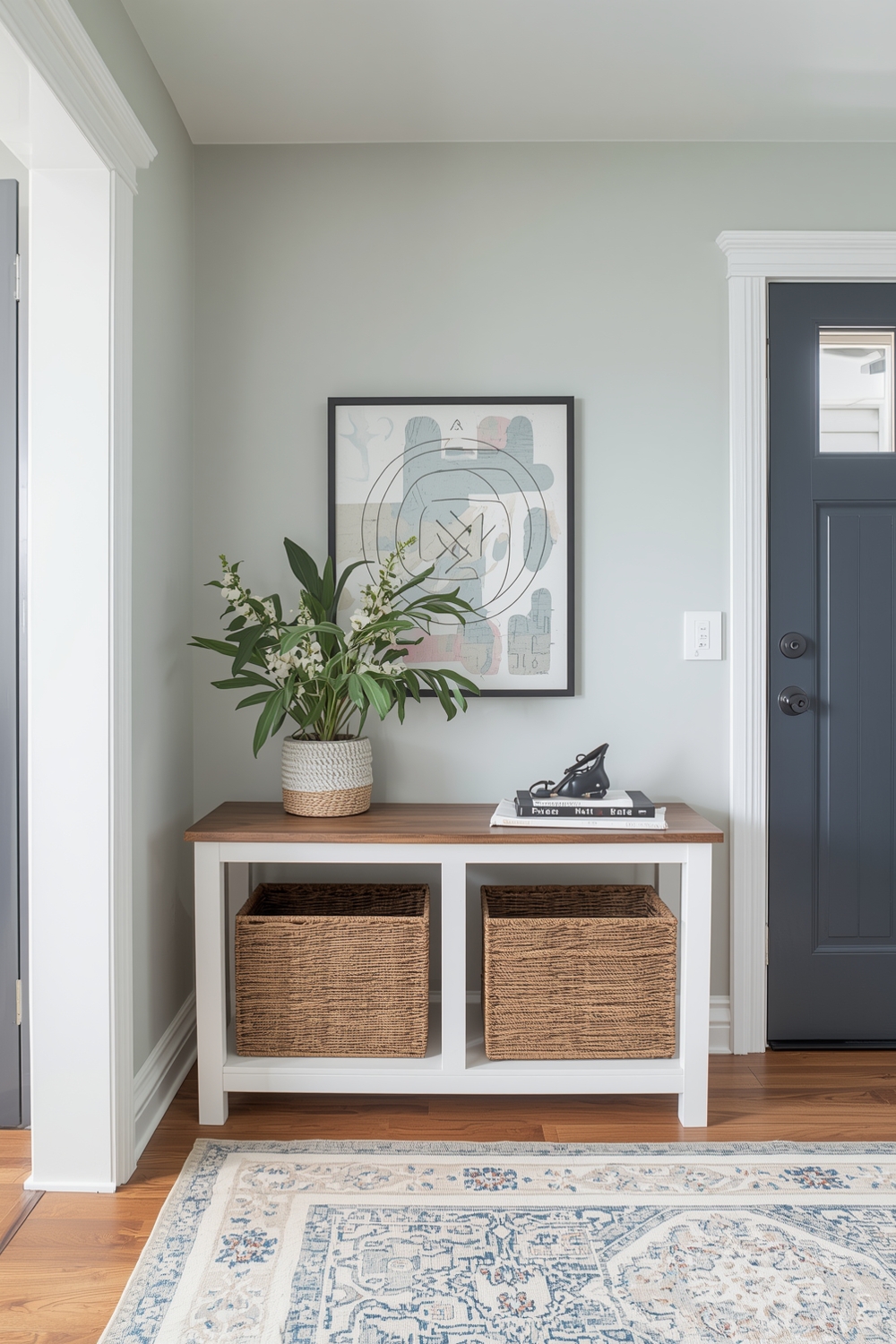
Open concept homes require thoughtful entryway definition. Use furniture placement to create an implied entryway zone without walls. A bookshelf positioned perpendicular to the entrance creates separation while maintaining openness.
Choose storage solutions that look good from all angles since they’ll be visible from adjacent spaces. Transparent or low-profile furniture maintains sightlines throughout the space.
Coordinating your entryway design with surrounding areas ensures visual harmony. Open storage like floating shelves and wall-mounted racks keep necessities accessible while contributing to the overall aesthetic of your open floor plan.
Small Entryway Lighting Ideas

Proper lighting makes small entryways feel welcoming and spacious. Layer different light sources for flexibility—combine overhead lighting with task lighting near mirrors and ambient lighting from table or floor lamps.
Wall sconces flanking a mirror provide excellent illumination for last-minute appearance checks while saving valuable floor and surface space. Consider motion-sensor lighting for hands-free convenience when arriving home with arms full.
Dimmer switches allow you to adjust lighting intensity based on time of day and mood. Mirrors strategically placed opposite light sources amplify illumination, making the space feel brighter and larger than its actual dimensions.
Functional Small Entryway Workspace
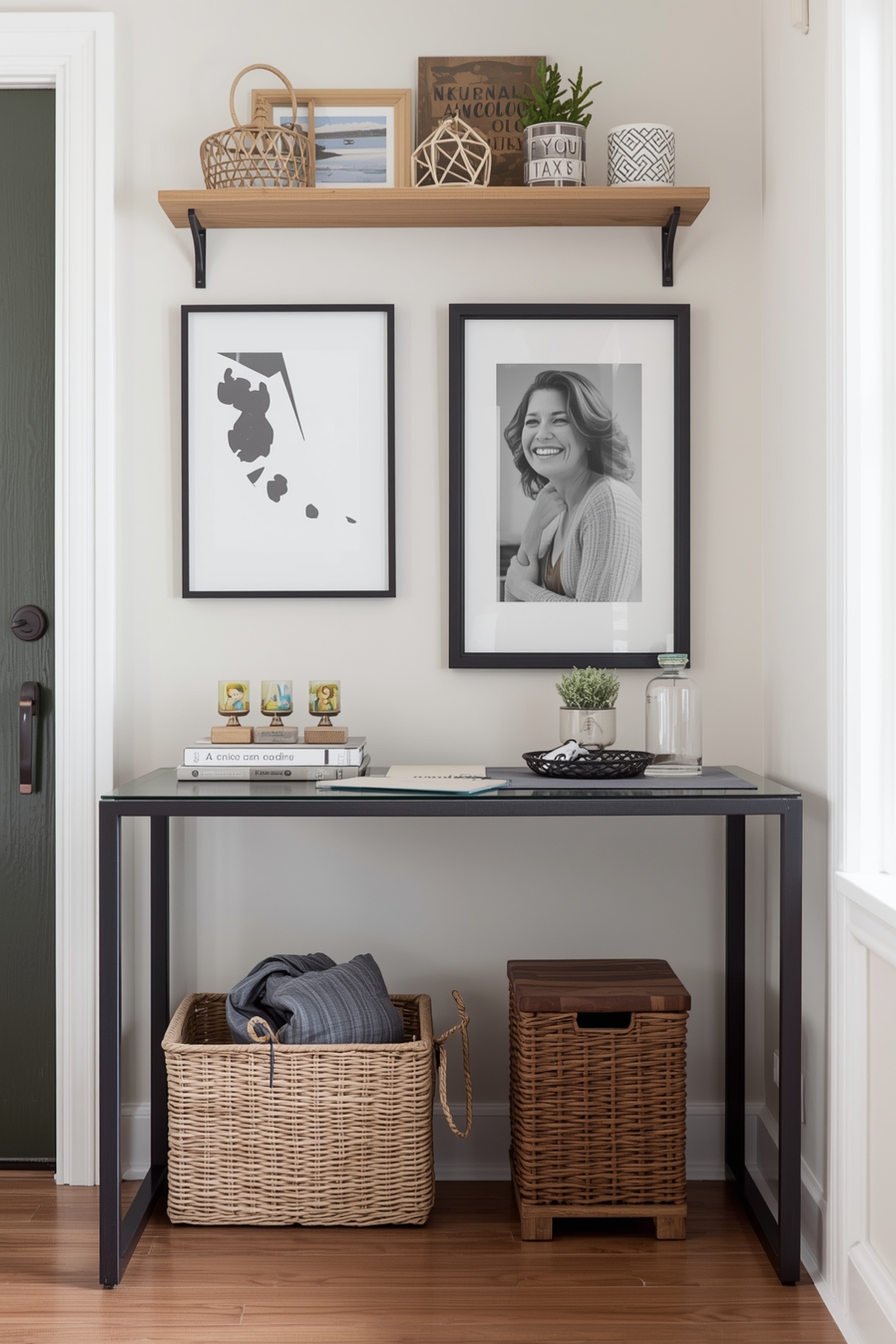
Remote work has made entryway workspaces increasingly popular. Install a narrow wall-mounted fold-down desk that tucks away when not in use. This creates a quick workspace for laptop use, signing documents, or children’s homework.
Add a small floating shelf above for office supplies stored in attractive containers. Ensure adequate lighting with a clip-on desk lamp or nearby wall sconce.
Keep the workspace minimal with only essential items to maintain the entryway’s primary function. A compact chair or stool that slides underneath when not needed preserves walking space. This dual-purpose setup maximizes your home’s square footage efficiently.
Small Entryway with Shelves
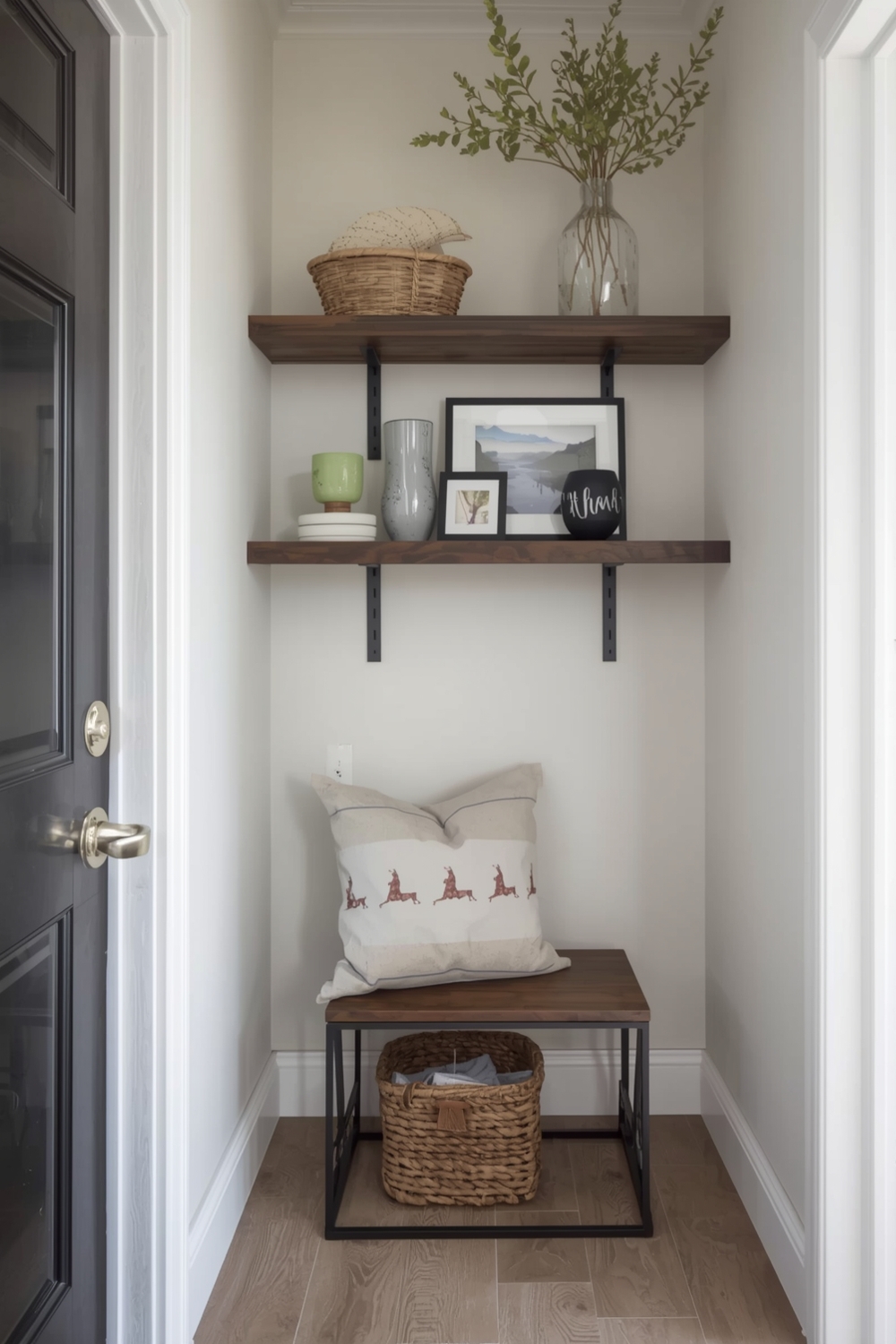
Shelving multiplies storage capacity in small entryways vertically. Install floating shelves at varying heights to display decorative objects while storing everyday essentials. Use the top shelf for rarely accessed items, middle shelves for display, and lower shelves for frequently used items.
Ladder-style leaning shelves provide substantial storage without permanent installation, perfect for renters. Combine open shelving with closed storage baskets to hide visual clutter while keeping items accessible.
Corner shelves utilize often-wasted space efficiently. Style shelves with a mix of functional items like keys and decorative elements like small plants, creating an organized yet personalized display that welcomes you home.
Stylish Small Entryway Decor
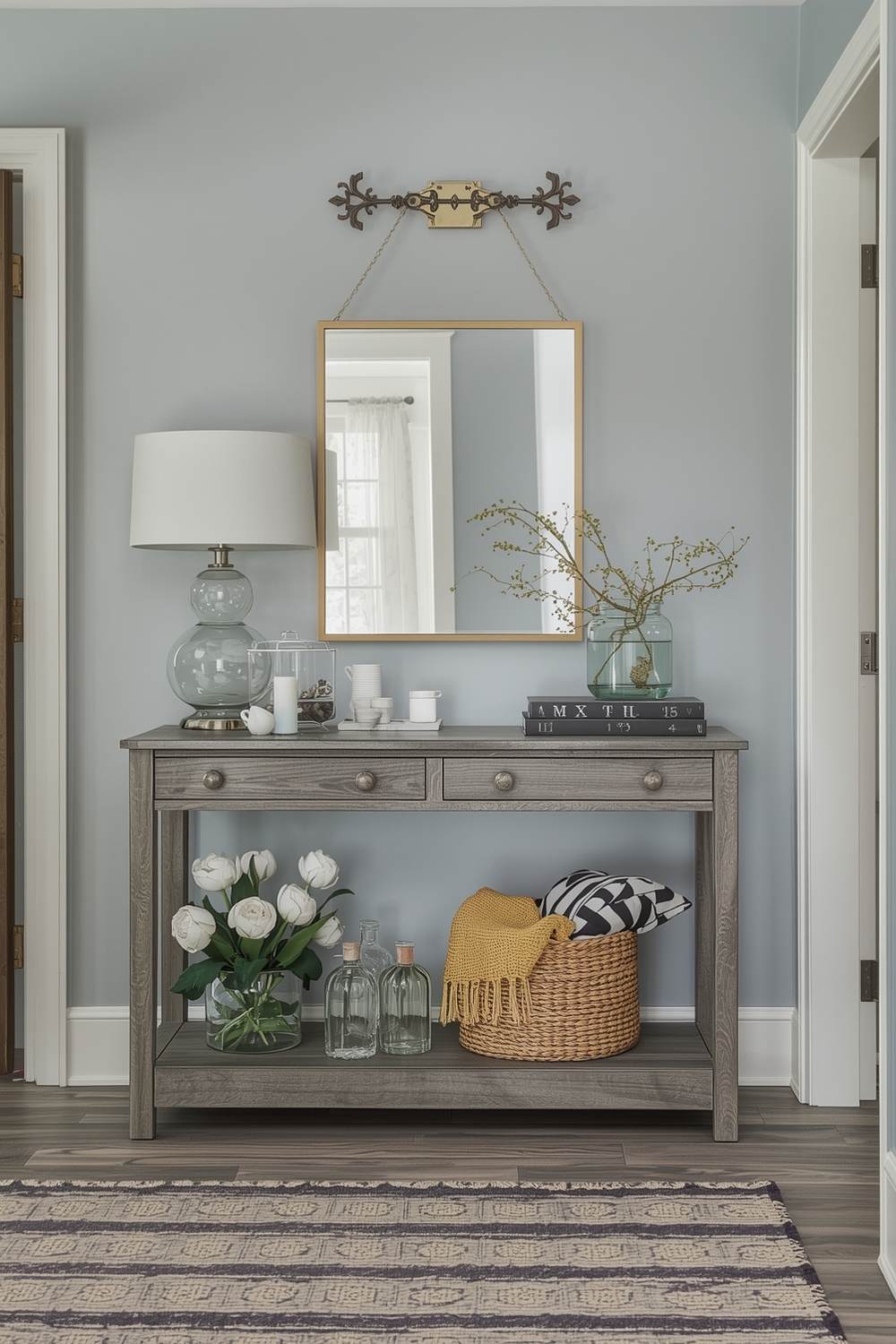
Decor transforms functional entryways into design statements. Choose a cohesive color palette—three colors maximum—to create visual harmony. Mix materials like ceramic, glass, metal, and natural fibers for textural interest.
A statement vase with seasonal branches or flowers adds organic beauty without permanent commitment. Decorative trays corral small items while adding style to console surfaces.
Incorporate personal collections displayed thoughtfully—vintage keys, small sculptures, or travel souvenirs tell your story. Remember the principle of odd numbers when styling—groups of three or five objects create more visual interest than even-numbered arrangements.
Contemporary Small Entryway Layouts
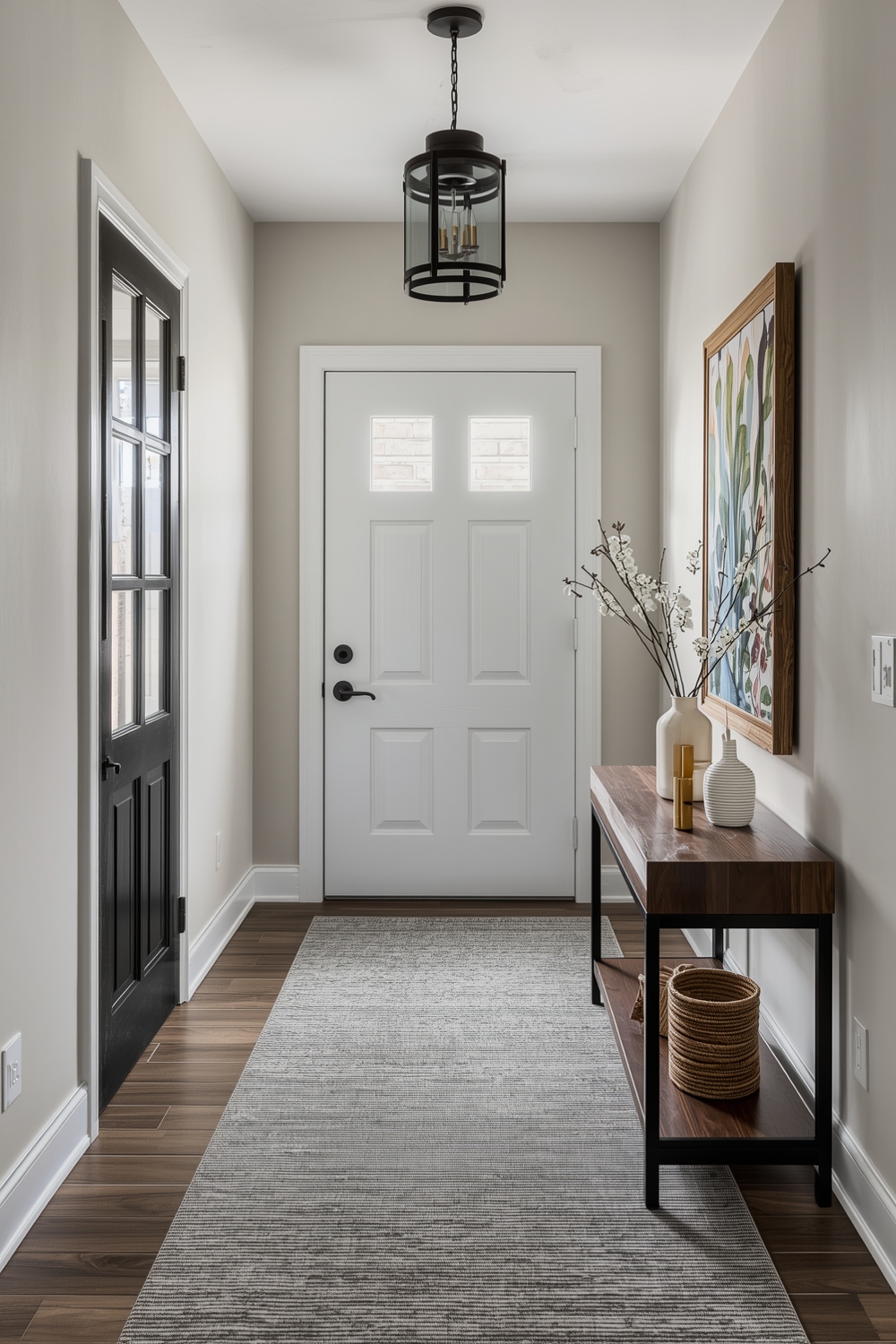
Contemporary design emphasizes clean lines and functional beauty in small entryways. Choose furniture with sleek profiles in materials like metal, glass, and lacquered wood. Geometric shapes in mirrors, artwork, and accessories create visual interest.
Maintain a neutral base palette with pops of bold color through accessories that can be easily changed. Technology integration like charging stations and smart lighting fits naturally into contemporary design.
Asymmetrical arrangements and unexpected material combinations create modern sophistication. Keep accessories minimal and purposeful—every item should either serve a function or make a significant design statement.
Small Entryway Color Combinations
Color choices dramatically impact how spacious small entryways feel. Light, neutral walls in white, cream, or light gray reflect light and create airiness. Add depth with a darker floor or ceiling for visual interest.
Monochromatic schemes in varying shades of one color create sophisticated cohesion. For bolder approaches, try complementary colors like navy and brass or forest green and natural wood.
An accent wall in the entryway can make a dramatic statement without overwhelming the space. Consider the adjacent rooms’ colors to ensure smooth visual transitions. Test paint samples in your specific lighting conditions—colors appear differently in natural versus artificial light.
How This Idea Improves Your Space
Implementing thoughtful small entryway designs significantly improves your home’s functionality and aesthetic appeal. A well-organized entryway reduces clutter throughout your home by providing designated spots for everyday items.
This prevents the “dump zone” phenomenon where belongings pile up. The psychological impact of entering a beautiful, organized space sets a positive tone for your entire home.
Guests immediately feel welcomed when greeted by a thoughtfully designed entrance. Property value increases with attractive, functional entryways that showcase your home’s potential from the first step inside.
Budget-Friendly Tips
Creating beautiful small entryways doesn’t require expensive investments. Shop secondhand stores and online marketplaces for vintage mirrors, benches, and console tables that add character at fraction of retail prices. DIY projects like painted hooks, refinished furniture, and homemade wall organizers save money while adding personal touches. Repurpose items from other rooms—a bookshelf becomes an entryway organizer, a side table transforms into a console.
Conclusion
Transforming Small Entryways into functional, stylish spaces enhances your entire home. By combining smart storage solutions, thoughtful layouts, and personal style elements, even the most compact entrance can make a powerful impression. Remember that successful small entryway design balances practicality with aesthetics, creating a welcoming transition between the outside world and your personal sanctuary.
FAQs
What’s the most important element in a small entryway?
Storage is crucial—prioritize vertical storage solutions like wall hooks, floating shelves, and tall slim cabinets to maximize space without cluttering floor area.
How can I make my small entryway look bigger?
Use mirrors to reflect light and create depth, choose light paint colors, maintain clear pathways, and select furniture with visible legs to allow light flow underneath.
What’s the minimum width needed for a functional entryway?
A functional entryway can work in spaces as narrow as 3 feet, though 4-5 feet provides more comfortable movement and furniture placement options.
How do I prevent my small entryway from becoming cluttered?
Implement daily habits like the “one in, one out” rule, provide specific homes for all items, use closed storage for visual calm, and conduct weekly organization maintenance.
What furniture is essential for small entryways?
A slim console table or wall-mounted shelf, a mirror, and wall hooks are the essential trio that provides storage, functionality, and the illusion of more space without overwhelming the area.