Introduction
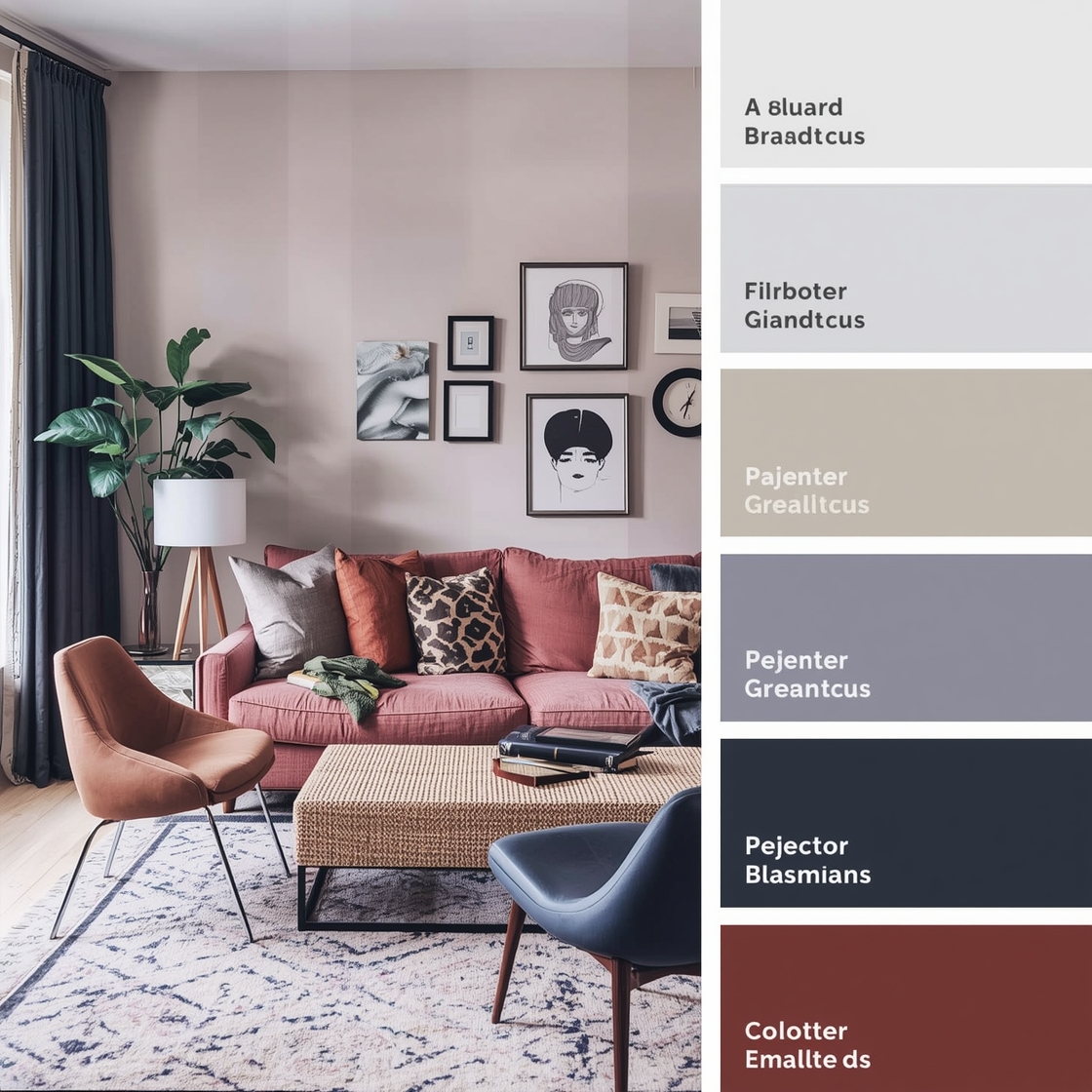
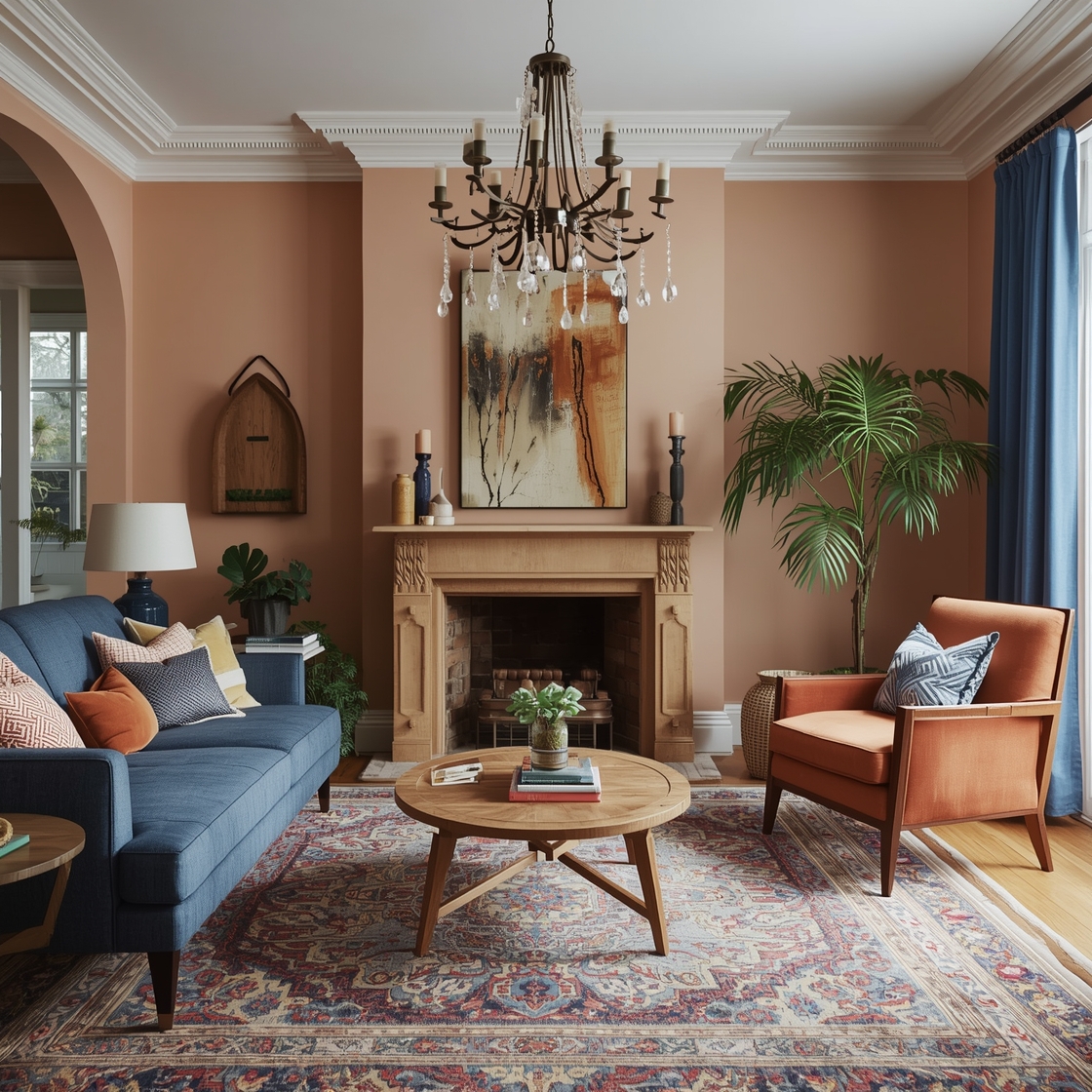
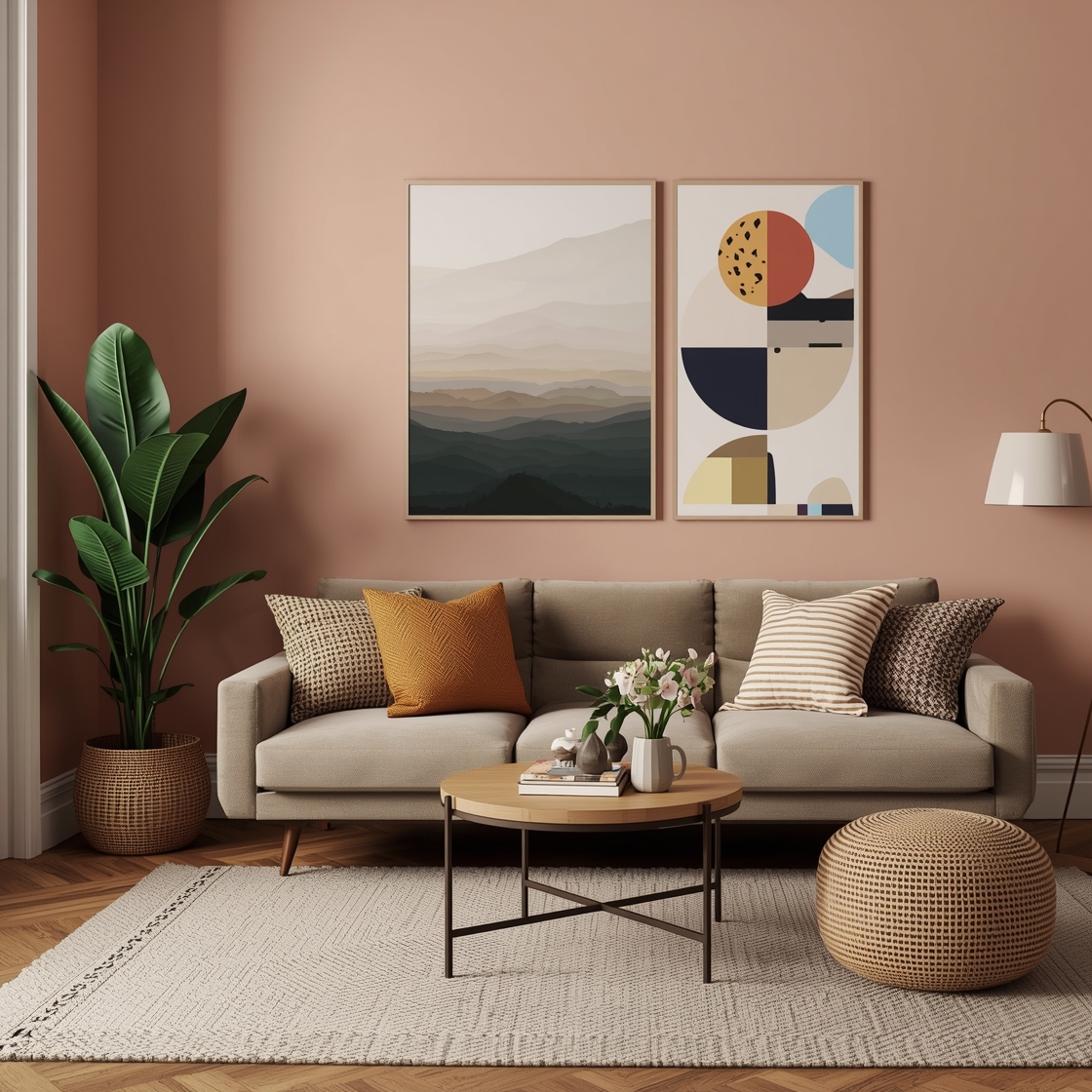
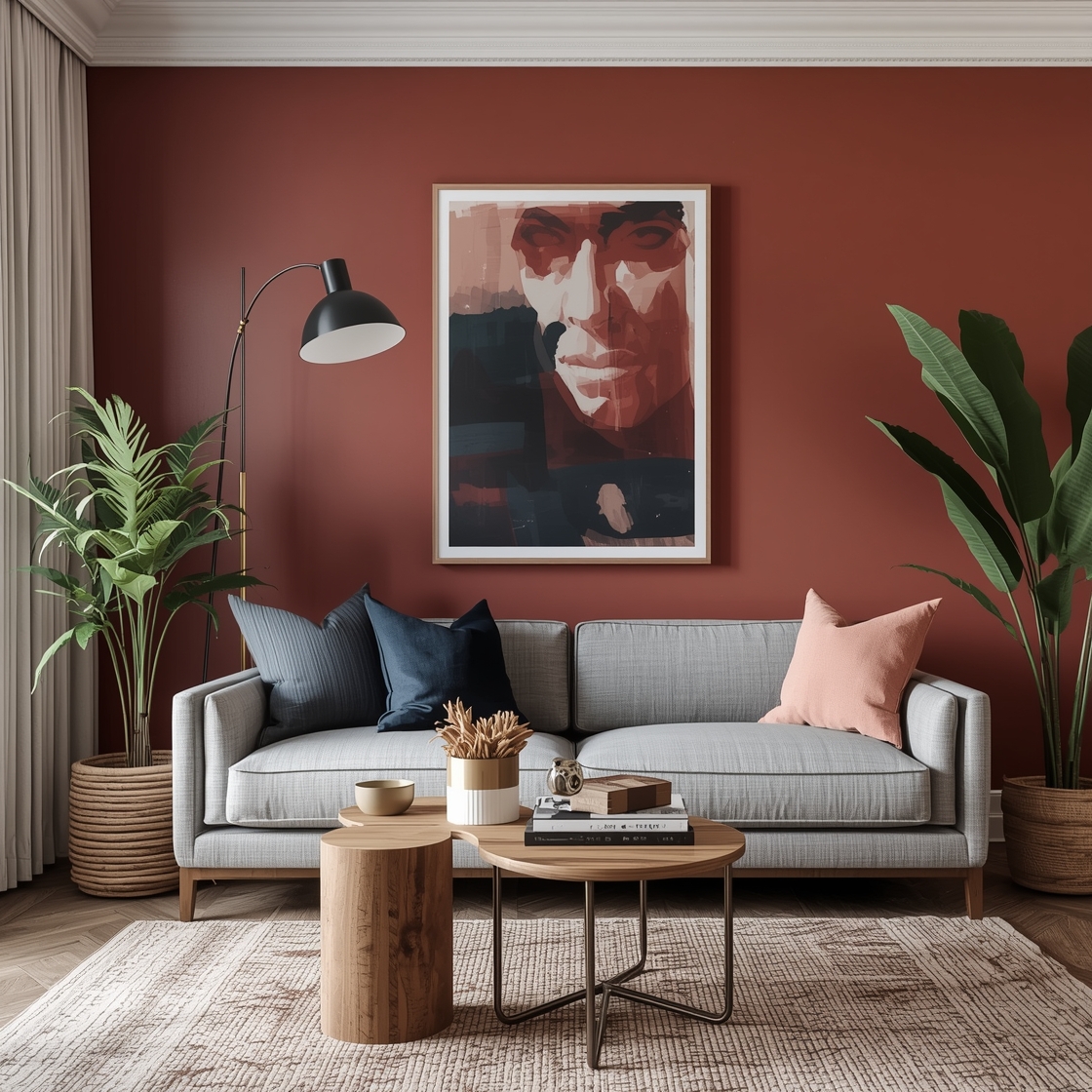
Transforming your living space starts with choosing the right Color Harmony Palettes. Whether you’re refreshing a single room or redesigning your entire home, understanding how colors work together creates visual balance and emotional comfort. Modern homeowners increasingly seek color palette combinations that reflect their personality while maintaining aesthetic appeal. This comprehensive guide explores 17 inspiring color harmony palettes that will elevate your interior design and create stunning, cohesive spaces throughout your home.
Color Harmony Palettes Inspiration
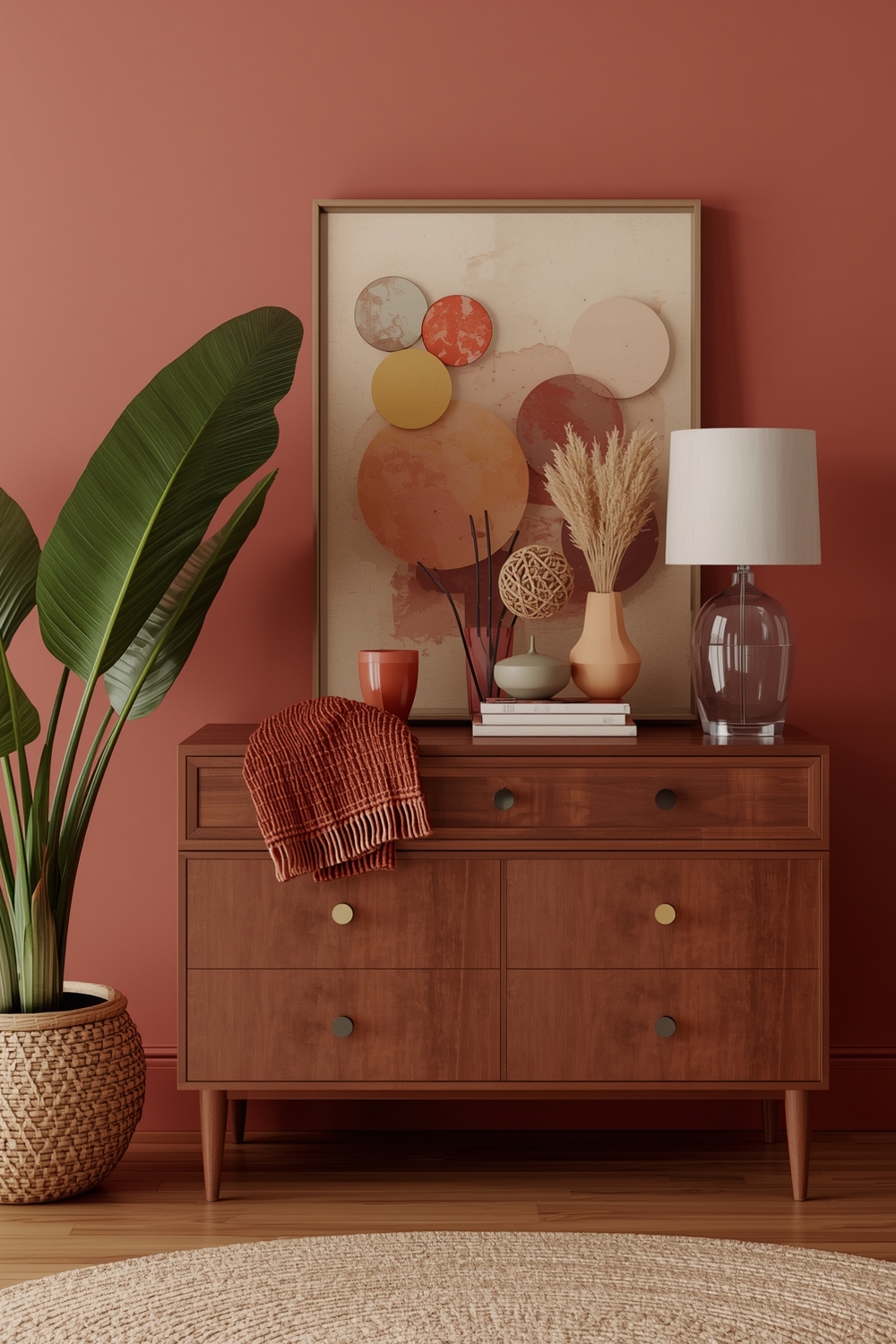
Color Harmony Palettes form the foundation of successful interior design by establishing visual relationships between different hues. These carefully curated combinations consider color theory principles like complementary, analogous, and triadic schemes to create pleasing visual effects.
When selecting color palette combinations for your home, consider how natural light affects each shade throughout the day. The right palette transforms ordinary rooms into extraordinary spaces by balancing warm and cool tones, creating depth, and establishing mood. Professional designers often start with a dominant color, then build supporting shades that enhance rather than compete with the primary hue, ensuring every element works harmoniously together.
Interior Color Harmony Inspiration
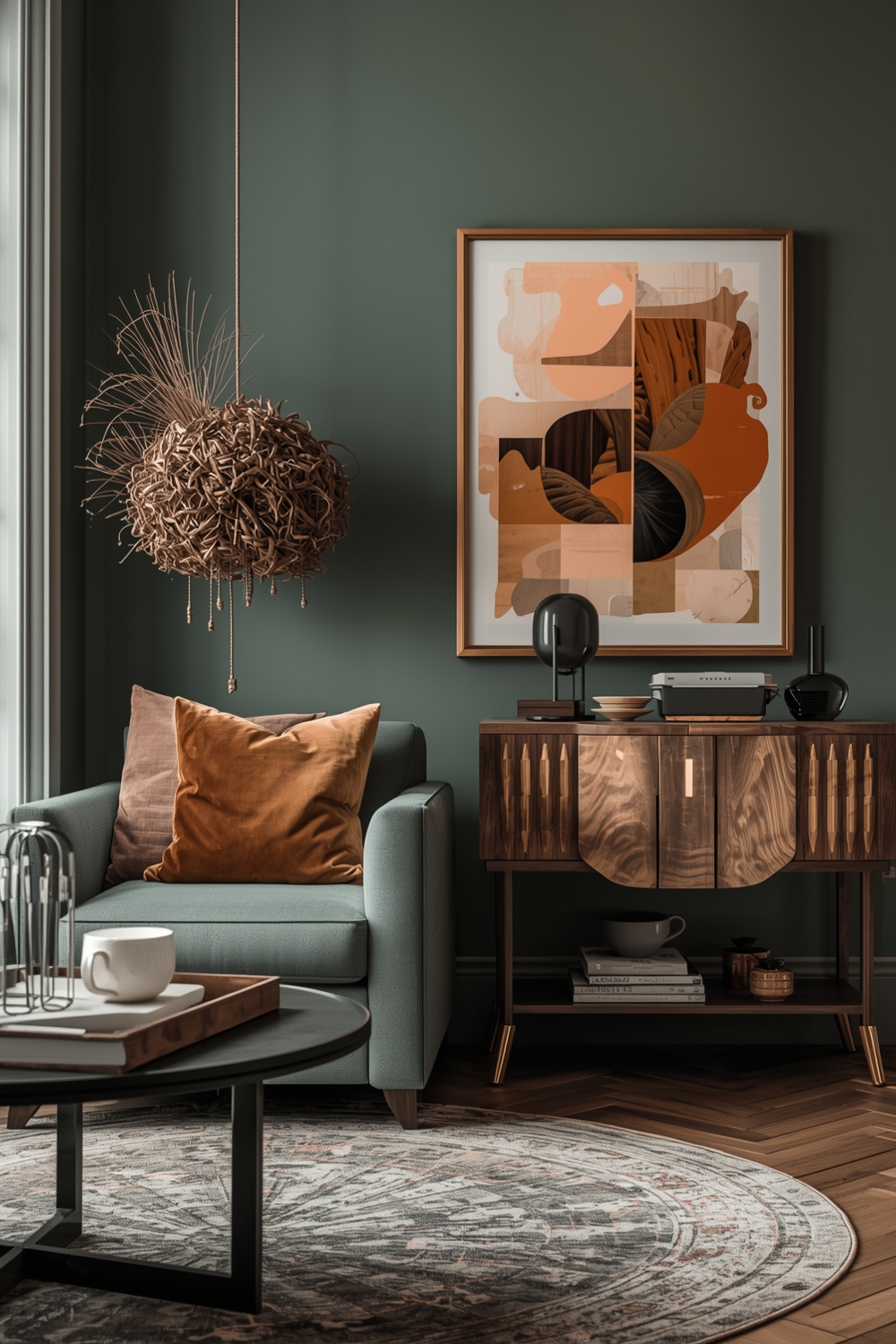
Interior spaces benefit tremendously from thoughtfully chosen Color Harmony Palettes that connect different areas while maintaining individual character. Start by identifying your home’s architectural features and existing elements that will remain constant, such as flooring or built-in cabinetry.
Contemporary interior color harmony draws inspiration from nature, art, and global design trends. Consider how colors transition from room to room, creating flow without monotony. Successful color palette combinations incorporate varying intensities of similar hues or complementary contrasts that guide the eye naturally through your space.
Modern Room Color Palettes
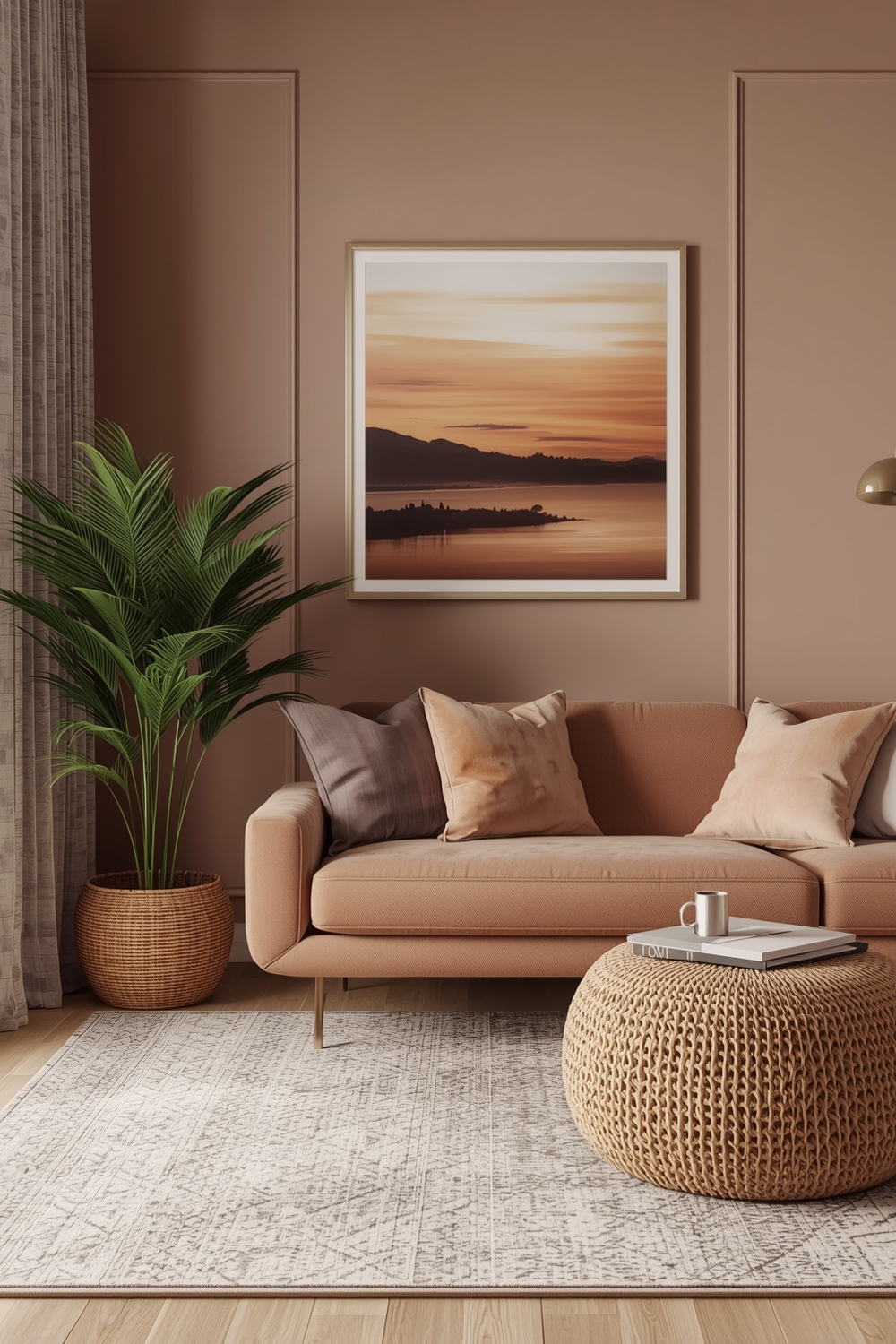
Modern room aesthetics embrace clean lines paired with sophisticated Color Harmony Palettes that feel fresh yet timeless. Popular modern combinations include crisp whites with warm wood tones, sage greens with terracotta accents, or navy blues complemented by brass fixtures.
These palettes prioritize simplicity and intentionality, avoiding overwhelming pattern or excessive color variation. Modern color schemes often feature a neutral base—such as soft grays, warm beiges, or pure whites—punctuated with one or two accent colors that add personality without visual clutter.
Stylish Color Harmony Ideas
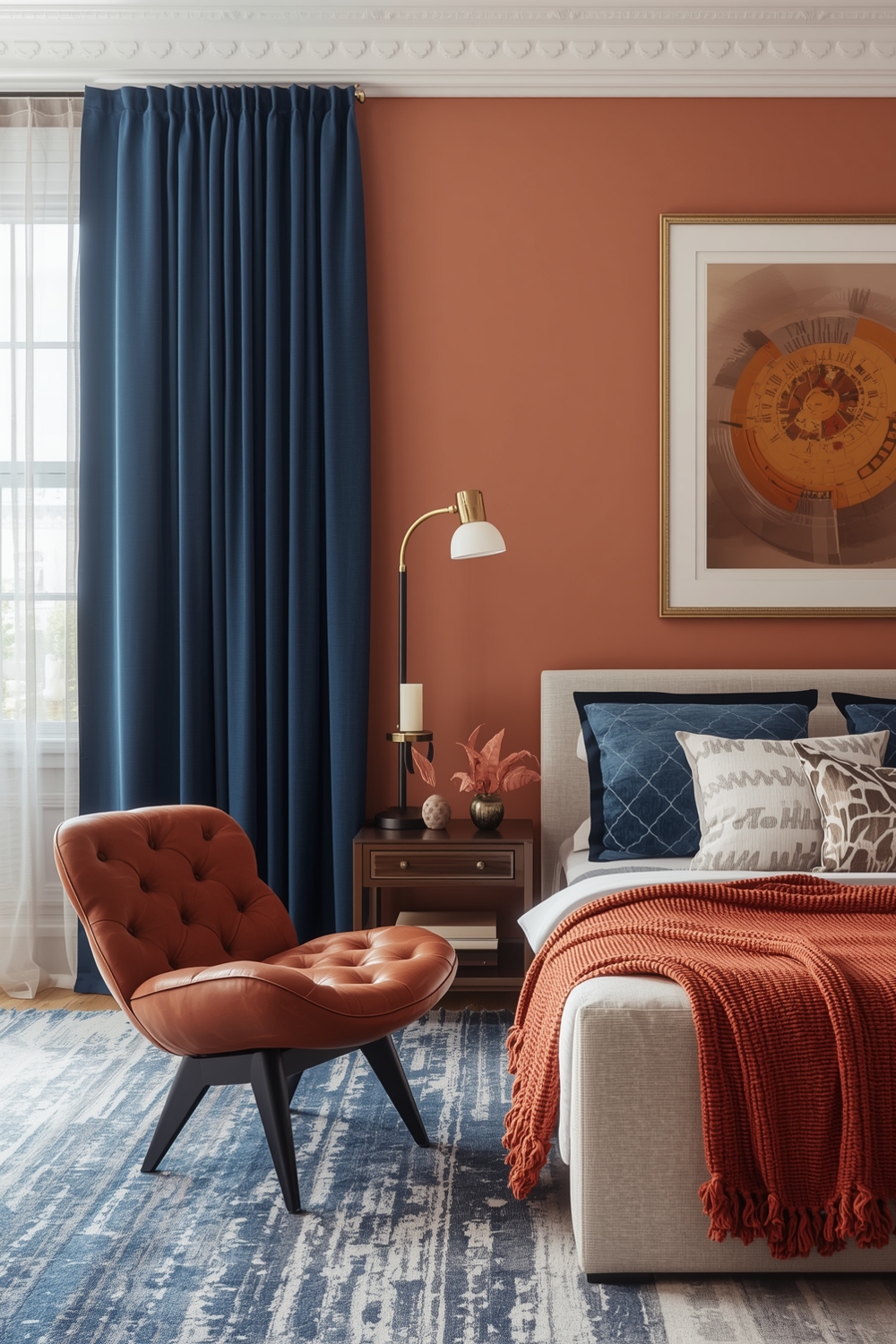
Stylish homes incorporate Color Harmony Palettes that balance current trends with personal expression. Consider jewel tones like emerald, sapphire, and amethyst paired with metallic accents for luxurious sophistication. Alternatively, earthy palettes featuring terracotta, ochre, and olive green create warm, inviting environments.
The most stylish color palette combinations layer different shades within the same color family, creating dimensional depth. Add texture through fabrics, finishes, and materials to enhance visual interest while maintaining color cohesion throughout your design.
Functional Room Color Combinations
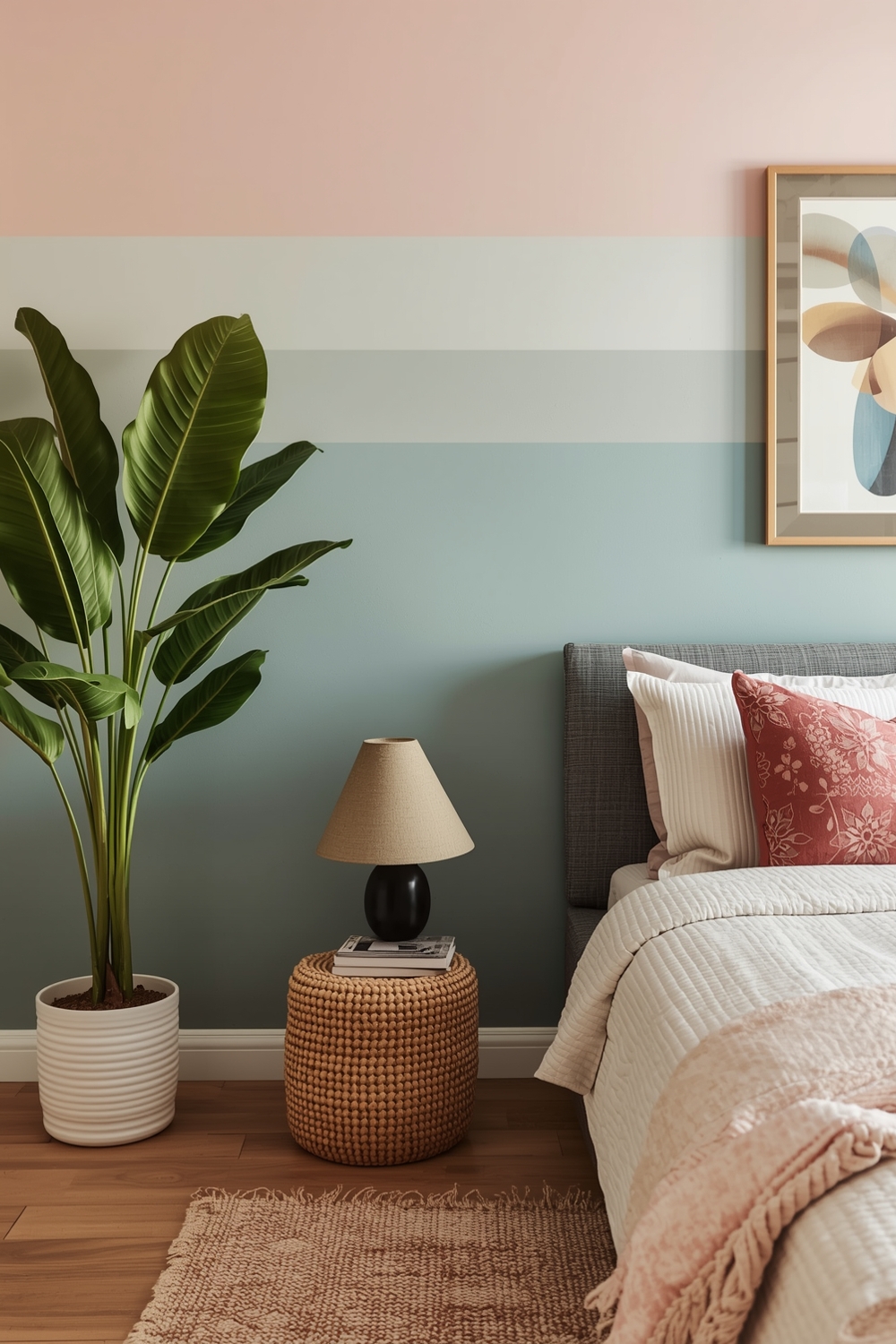
Functional spaces require Color Harmony Palettes that support their intended purpose while maintaining aesthetic appeal. Home offices benefit from calming blues and greens that enhance focus, while kitchens thrive with energizing yellows or sophisticated grays that hide everyday wear.
Bathrooms achieve spa-like serenity through soft aquas, whites, and natural stone tones. Playrooms embrace vibrant primaries that stimulate creativity without overwhelming young eyes. The best functional color palette combinations balance practical considerations with visual harmony, ensuring spaces work beautifully for daily activities while contributing to your home’s overall design narrative.
Neutral and Bright Color Harmony
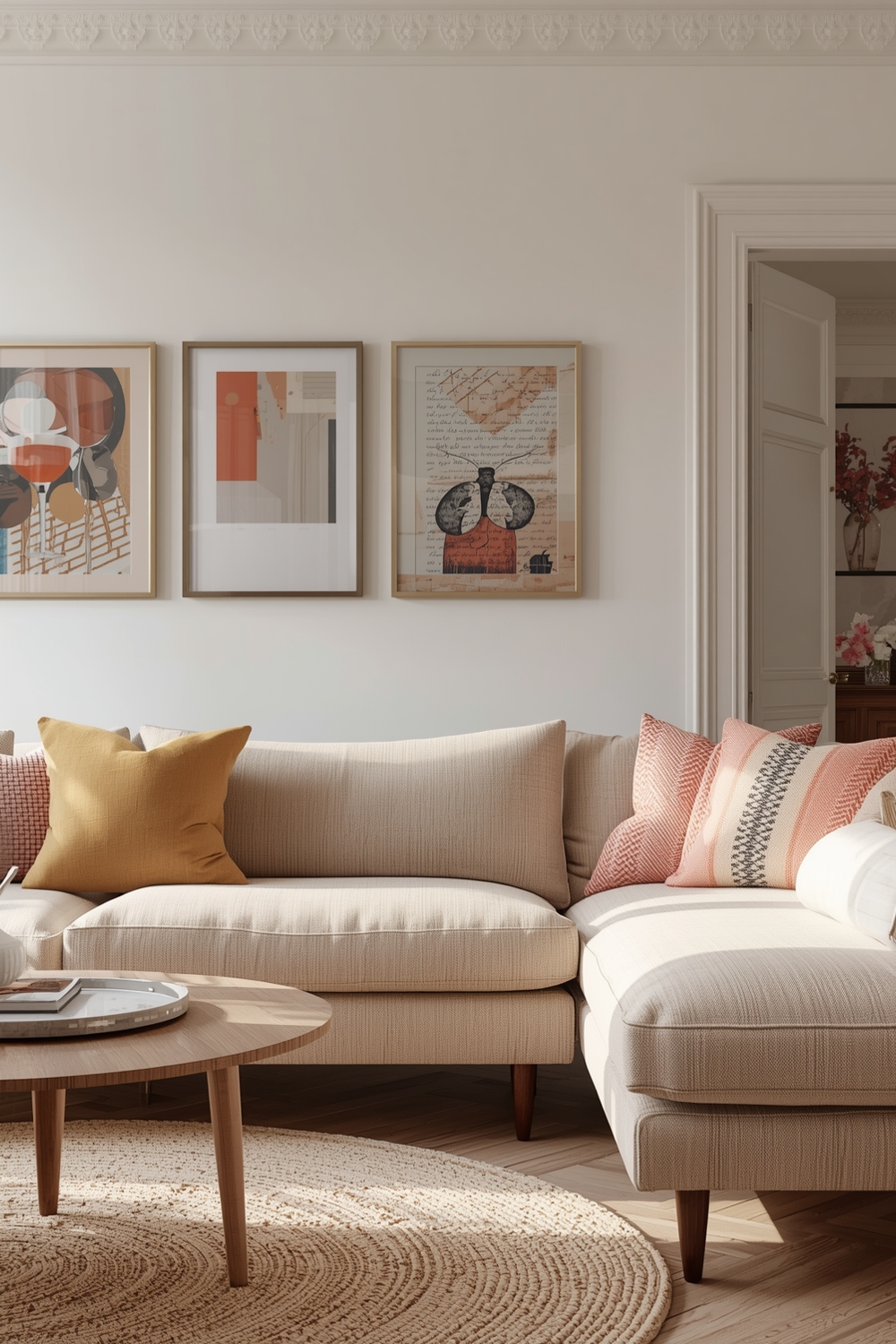
Neutral Color Harmony Palettes provide versatile foundations that accommodate changing tastes and seasonal updates. Whites, grays, beiges, and taupes create calm, sophisticated backgrounds that let furniture, artwork, and accessories shine.
Introduce bright accents strategically through pillows, artwork, or statement furniture pieces. This approach allows you to refresh your space economically by swapping accent colors without repainting entire rooms. Successful neutral and bright combinations maintain balance—typically following the 60-30-10 rule where 60% neutral, 30% secondary color, and 10% accent color create perfect harmony.
Elegant Room Color Combinations
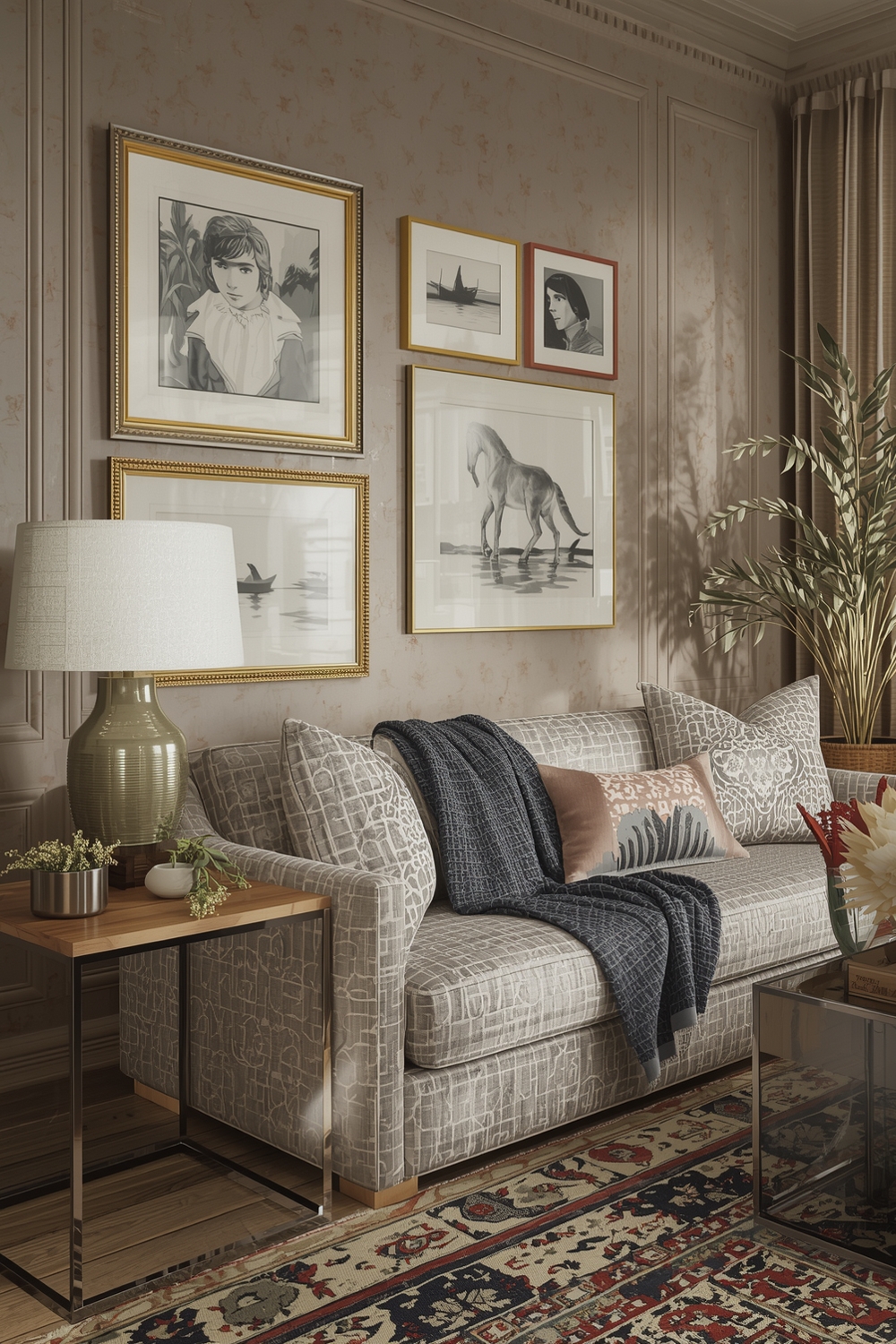
Elegant interiors showcase Color Harmony Palettes that exude sophistication through refined color choices. Classic combinations like charcoal and blush, navy and gold, or black and cream create timeless elegance that never feels dated.
These palettes often incorporate deeper, more saturated colors balanced with lighter neutrals to prevent heaviness. Rich burgundies, forest greens, and midnight blues paired with creams or soft grays establish luxurious atmospheres. Elegant color palette combinations emphasize quality over quantity, selecting fewer colors executed impeccably throughout the space.
Minimalist Color Harmony Designs
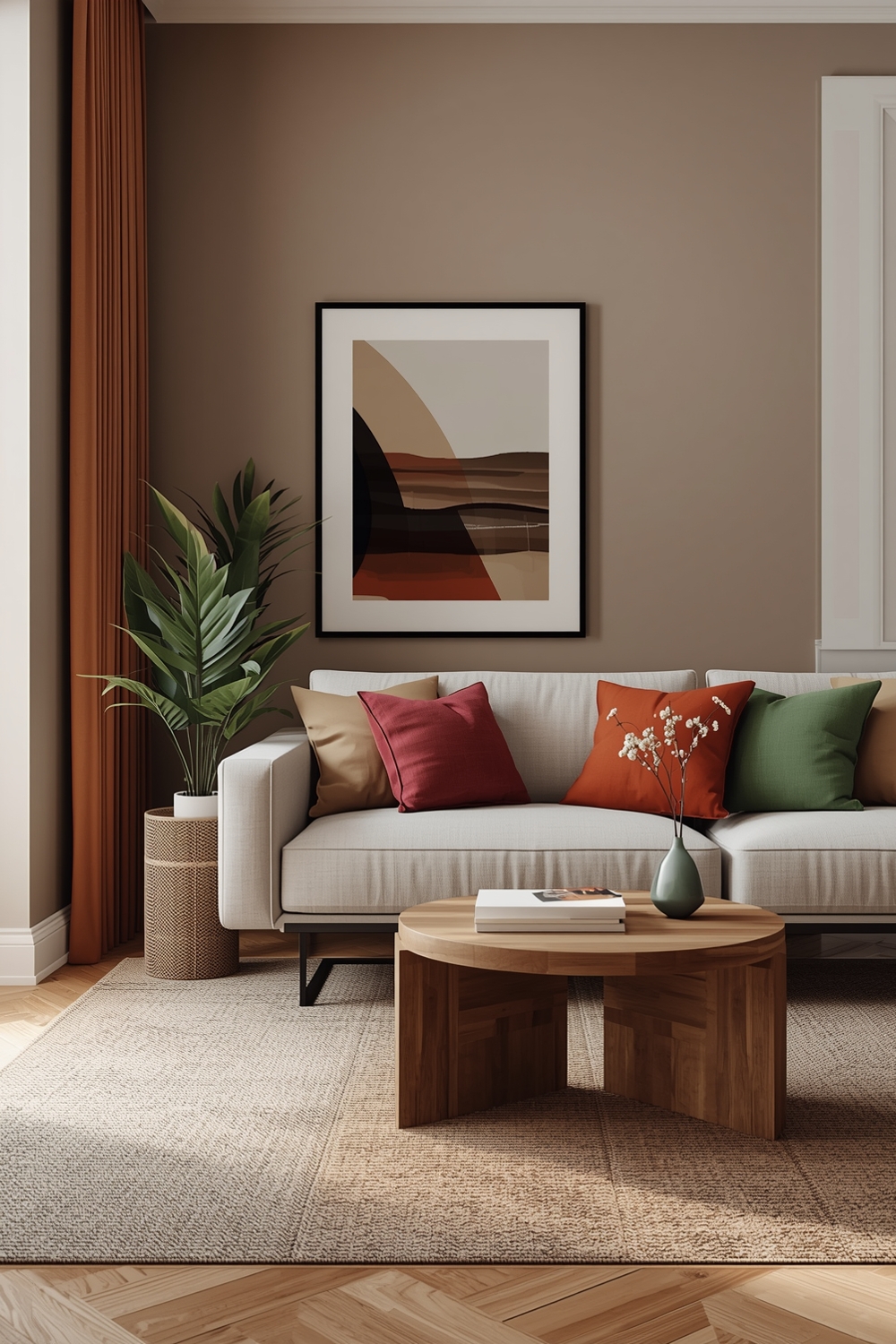
Minimalist design philosophy embraces Color Harmony Palettes that prioritize simplicity and restraint. Monochromatic schemes using varying shades of single colors create serene, uncluttered environments that promote calm and focus.
White-on-white palettes with subtle warm or cool undertones offer the ultimate minimalist aesthetic, while carefully introduced single accent colors provide visual interest without disruption. Minimalist color palette combinations prove that less truly is more, allowing architectural features, natural light, and carefully chosen furnishings to become the room’s focal points rather than competing color elements.
Contemporary Room Color Inspiration
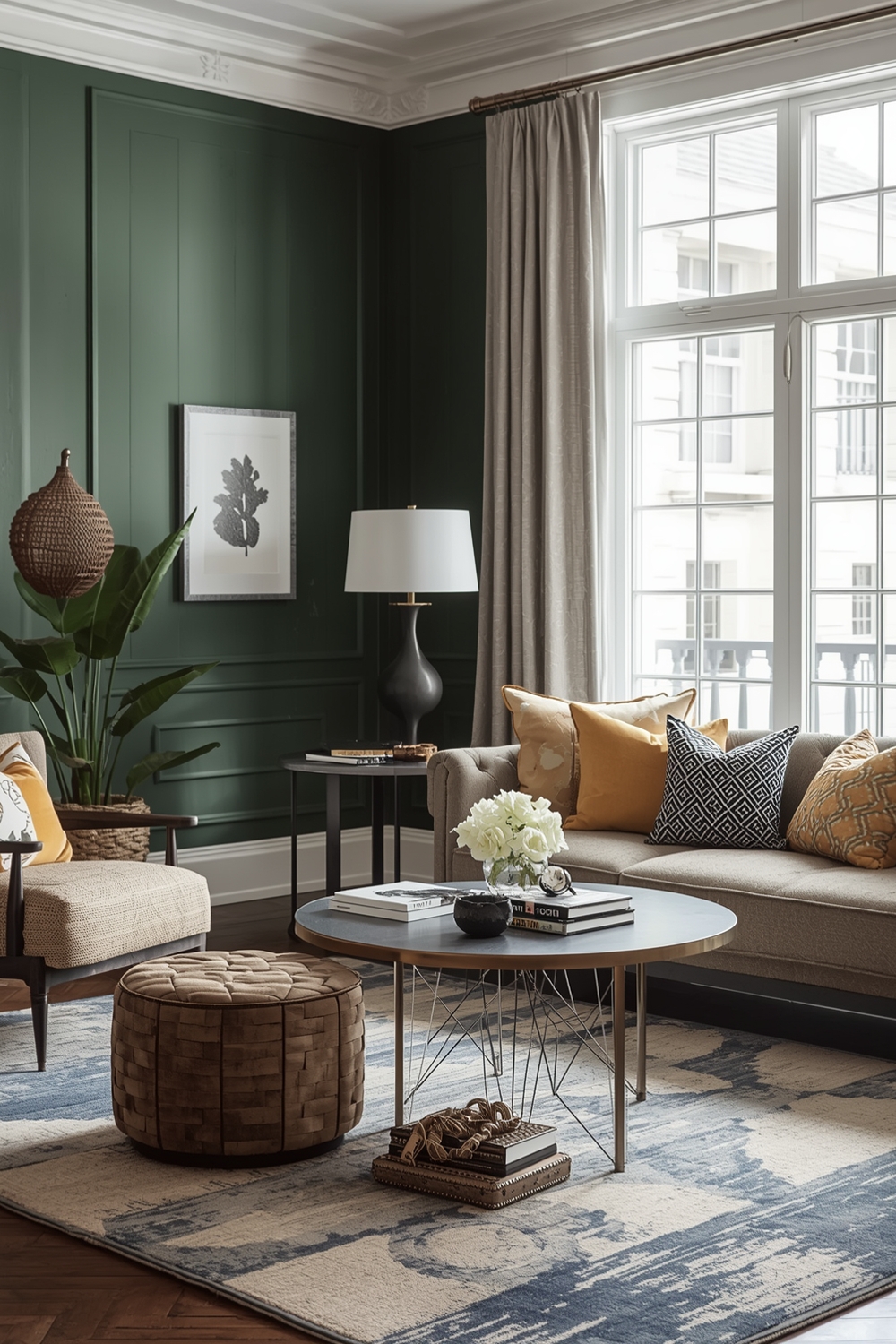
Contemporary Color Harmony Palettes reflect current design sensibilities while remaining approachable and livable. Today’s contemporary palettes often feature unexpected combinations—dusty pink with forest green, mustard yellow with charcoal gray, or terracotta with denim blue.
These fresh combinations break traditional color rules while maintaining visual balance through careful proportion and placement. Contemporary designs embrace both bold statements and subtle sophistication, giving homeowners freedom to express personality through adventurous color choices that still feel cohesive and intentional.
Room Color Balance Layouts

Achieving color balance requires distributing Color Harmony Palettes strategically throughout your space. Visual weight matters—darker colors feel heavier and should be balanced with lighter tones to prevent spaces from feeling bottom-heavy or overwhelming.
Consider the 60-30-10 rule when distributing your color palette combinations: dominant color covers 60% (walls, large furniture), secondary color comprises 30% (upholstery, window treatments), and accent color represents 10% (accessories, artwork). This proportional distribution creates natural balance that feels intentional rather than chaotic.
Cozy Color Harmony Ideas
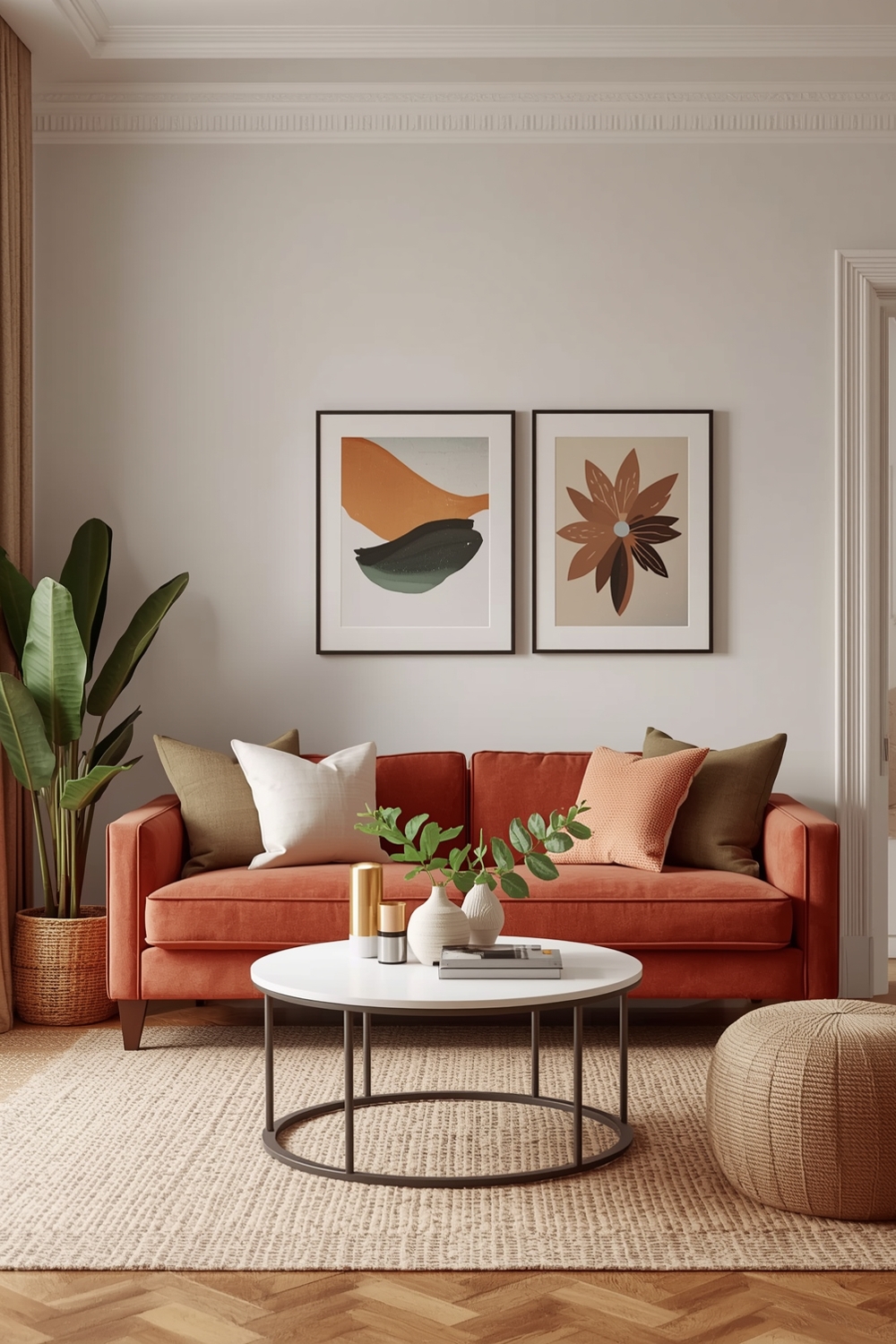
Cozy spaces embrace warm Color Harmony Palettes that invite relaxation and comfort. Rich browns, warm grays, burnt oranges, and deep reds create enveloping atmospheres perfect for living rooms, bedrooms, and reading nooks.
Layer textures in similar warm tones to enhance coziness without overwhelming your palette. Chocolate browns paired with caramel accents, burgundy with rust, or charcoal with warm taupe create inviting sanctuaries. These color palette combinations work especially well in spaces with limited natural light, as warm tones compensate for cooler ambient lighting while making rooms feel intimate and welcoming.
Accent Color Harmony Inspiration
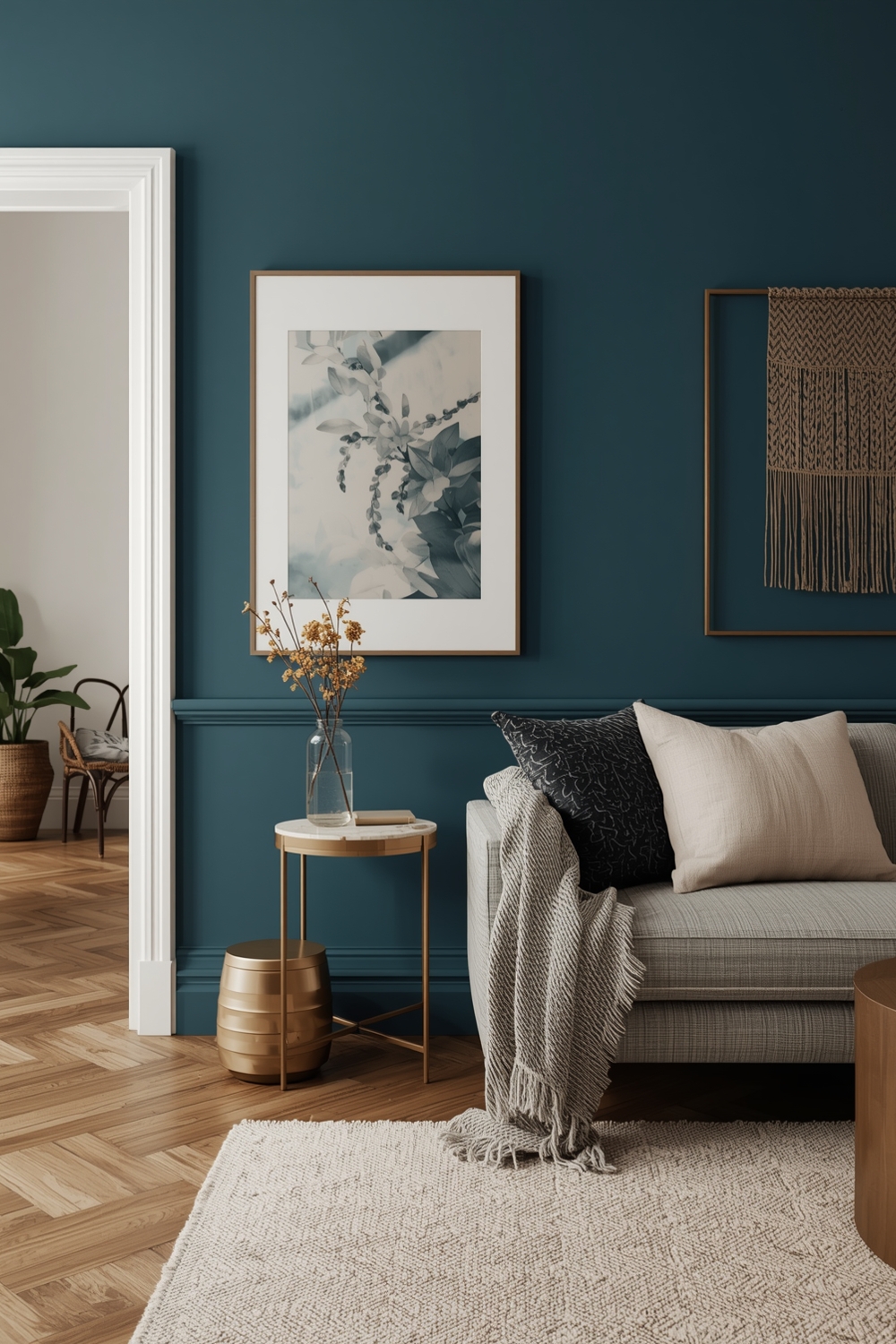
Accent colors transform neutral Color Harmony Palettes from pleasant to memorable. Strategic pops of vibrant color through artwork, throw pillows, rugs, or statement furniture pieces energize otherwise subdued spaces without commitment to permanent bold choices.
Popular accent colors include coral, teal, mustard yellow, and emerald green—hues with enough intensity to stand out against neutral backgrounds. The beauty of accent-focused color palette combinations lies in their flexibility; swap accessories seasonally or as tastes evolve without expensive renovations. Limit accent colors to one or two complementary shades to maintain visual harmony rather than creating a rainbow effect that feels chaotic.
Interior Room Color Layouts

Strategic color placement through thoughtful Color Harmony Palettes guides visual flow and defines functional zones within open-concept spaces. Use color transitions to delineate areas—deeper tones for cozy conversation areas, lighter shades for dining spaces, and mid-tones for transitional zones.
Vertical color placement also impacts perception. Lighter ceiling colors make rooms feel taller, while darker floors ground spaces. Consider how your color palette combinations move through the room horizontally and vertically to create dimensional interest and practical zoning.
Stylish Room Color Harmony
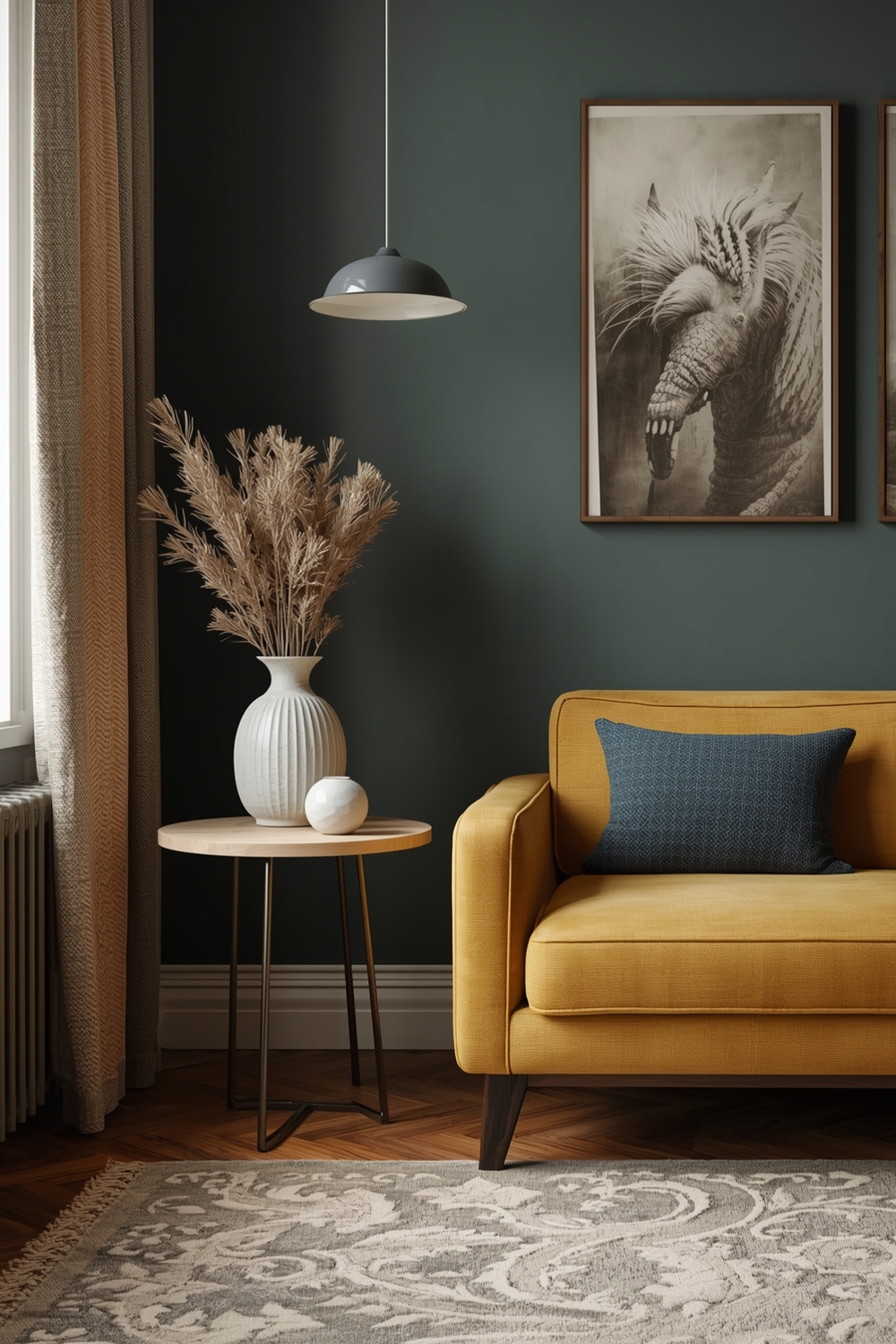
Stylish spaces showcase color palette combinations that feel current yet personal. Today’s stylish palettes often feature unexpected contrasts—soft pastels with bold blacks, warm neutrals with cool metallics, or saturated jewel tones with crisp whites.
These combinations succeed by maintaining proportion and intention. Style emerges from confidence in color choices rather than following prescriptive rules. Mix warm and cool tones deliberately, pair complementary colors strategically, and don’t fear making bold statements with Color Harmony Palettes that reflect your unique aesthetic vision.
Bedroom and Living Room Color Harmony
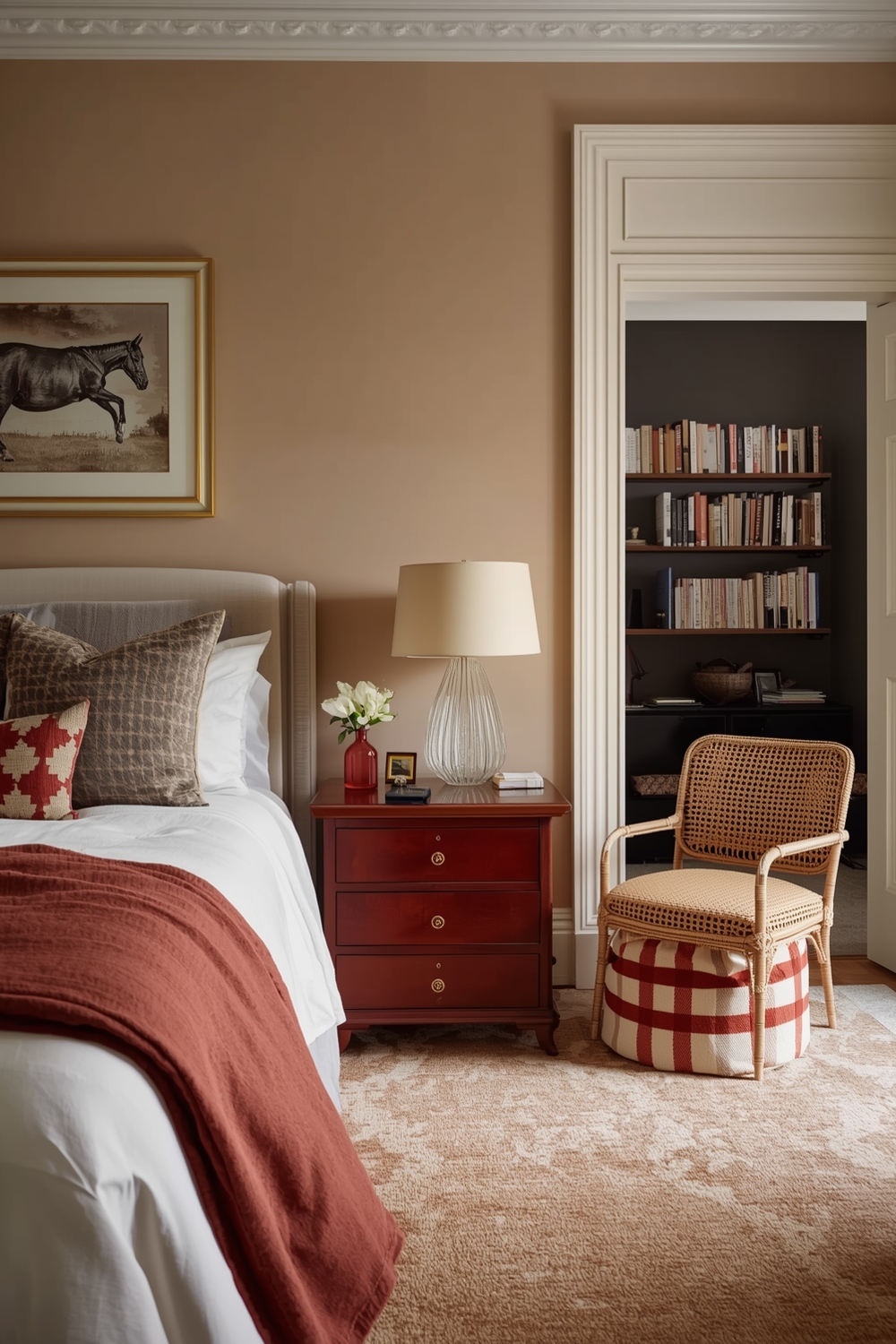
Bedrooms and living rooms—your home’s most-used spaces—deserve carefully considered Color Harmony Palettes that support their distinct functions. Bedrooms benefit from calming, restful colors like soft blues, lavenders, greens, and warm neutrals that promote relaxation and sleep.
Living rooms accommodate more versatility in color palette combinations since they serve multiple purposes—entertaining, relaxing, working, and playing. Consider slightly more energizing palettes with balanced warm and cool tones. Sage green with cream and gold, navy with cognac leather and brass, or warm gray with blush and natural wood create welcoming, multifunctional living spaces that transition beautifully from day to night.
How This Idea Improves Your Space
Implementing cohesive Color Harmony Palettes throughout your home creates visual continuity that makes spaces feel larger, more intentional, and professionally designed. Harmonious colors reduce visual chaos, making rooms feel calmer and more organized even when furniture and accessories vary in style. Thoughtful color combinations enhance mood, increase perceived value, and create emotional connections to your spaces that transform houses into homes you love living in daily.
Budget-Friendly Tips
Achieve stunning Color Harmony Palettes without expensive renovations by starting with paint—the most cost-effective transformation tool. Shop secondhand for accent pieces in your chosen palette, use removable wallpaper for temporary boldness, and repurpose existing items with new colors through DIY painting projects. Focus investment on one statement piece per room in your accent color while keeping backgrounds neutral and affordable.
Conclusion
Creating beautiful interiors starts with selecting the right Color Harmony Palettes that reflect your personality while maintaining visual balance. These 17 inspiration ideas demonstrate how thoughtful color combinations transform ordinary spaces into extraordinary homes. Whether embracing bold contrasts or subtle monochromatic schemes, color harmony elevates every room’s aesthetic and functional appeal, proving that strategic color choices remain interior design’s most powerful and accessible tool.
FAQs
What are the best color harmony palettes for small spaces?
Light, monochromatic Color Harmony Palettes make small rooms feel larger by eliminating visual breaks. Stick with whites, soft grays, or pale blues with minimal contrast between walls, furniture, and accessories.
How many colors should I include in my color palette?
Successful color palette combinations typically include 3-5 colors: one dominant neutral, one secondary supporting color, and 1-3 accent colors for visual interest without overwhelming the space.
Can I mix warm and cool colors in the same room?
Yes! Mixing warm and cool tones creates dynamic Color Harmony Palettes with depth and sophistication. Balance proportions carefully, using one temperature as dominant and the other as accent for best results.
How do I choose accent colors for neutral palettes?
Select accent colors that either complement your neutral base (opposite on the color wheel) or analogous shades (adjacent on the wheel). Consider your room’s purpose and the mood you want to create.
Should every room have the same color palette?
Rooms don’t require identical palettes but should share connecting colors or similar tones to create flow. Vary intensity and proportion of shared colors to maintain individual room character while ensuring cohesion.